
About Energy
Related content
From cutting-edge engines and propulsion systems to digital and decarbonisation strategies, Wärtsilä helps you design, build, and operate vessels efficiently and sustainably. Stay ahead in a changing maritime world.
About Marine
Related content
We’ve dedicated ourselves to shaping the decarbonisation of marine and energy, helping our customers on a journey that is both environmentally sustainable and financially viable.
Company
Related content
If you’re a ferry operator looking to cut carbon, SOx and NOx emissions immediately, then future fuels should be at the top of your wish list. As well as emission reductions, they also help your vessels comply with regulations like EEXI and CII.
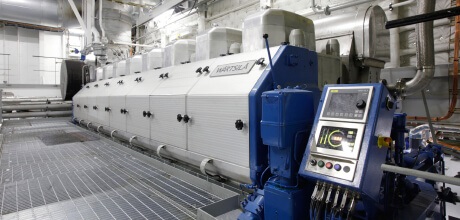
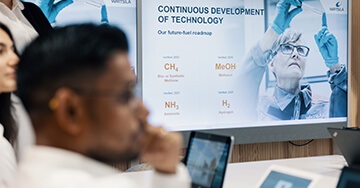
But what future fuel should your ferry operations opt for? The future fuels chapter of our guide has all the answers you need. It opens up on the pros and cons of LNG, methanol, ammonia and hydrogen followed by a deep dive into the Wärtsilä engine and fuel supply system solutions that allow you to take advantage of them.
Looking to retrofit existing vessels with a fuel conversion? The chapter also looks into Wärtsilä’s conversion solutions plus briefly presents some real-world examples of vessels already operating on future fuels with the help of fuel-flexible engine technologies.
Christos Chryssakis, Business Development Manager, Maritime at DNV and Kaj Portin, GM, Sustainable Fuels & Decarbonisation at Wärtsilä give their insights about the fuels’ availability, storage requirements and more. Also hear about fuel flexible engines, engine conversions and fuel supply systems that would play a vital role to adapt to future fuels.
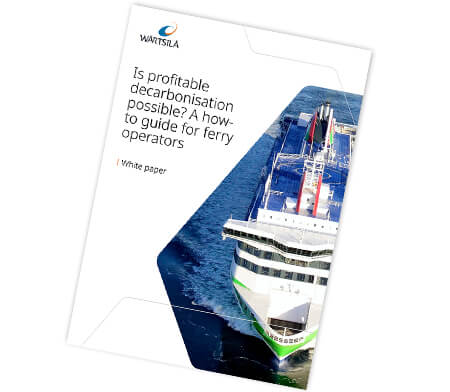
This comprehensive white paper explains the three key pathways to decarbonisation, with real-world examples and actionable steps for ferry operators. Download it to learn how to reduce emissions, control costs, and stay competitive even when regulations tighten.