Alternative fuels can help ship owners and operators reduce emissions and prepare for evolving regulatory requirements. However, each fuel has different storage, handling and safety requirements onboard.
Wärtsilä offers dedicated fuel supply systems for LNG, methanol and ammonia applications, supporting the safe storage, processing and supply of alternative fuels for ships. Developed together with Wärtsilä engine solutions, they help support safe operations, reliable performance and efficient use of onboard space.
What fuel supply systems do:
Why alternative fuels require dedicated fuel handling systems:
How Wärtsilä approaches fuel handling:
Choosing an alternative fuel is about more than selecting an engine. LNG, methanol and ammonia each have different storage conditions, fuel characteristics, safety requirements and onboard handling processes. As a result, the fuel supply system becomes a critical part of the vessel design from the earliest project stages.
For ship owners, designers and shipyards, fuel supply decisions affect fuel storage arrangements, bunkering procedures, automation, onboard safety systems and integration with propulsion and power generation equipment. These considerations apply to both newbuild vessels and many retrofit projects.
A dedicated fuel supply system helps ensure reliable and safe storage, processing and supply of fuel throughout the vessel's operating life while supporting applicable regulatory and classification requirements.
Whether you are evaluating LNG, methanol or ammonia as part of a newbuild project or a vessel conversion, Wärtsilä offers dedicated fuel supply systems designed around the specific requirements of each fuel.
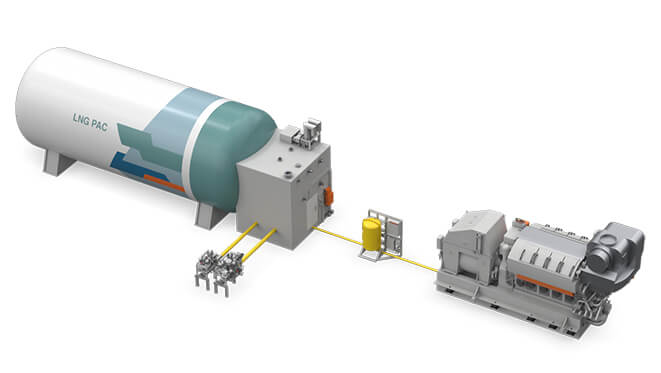
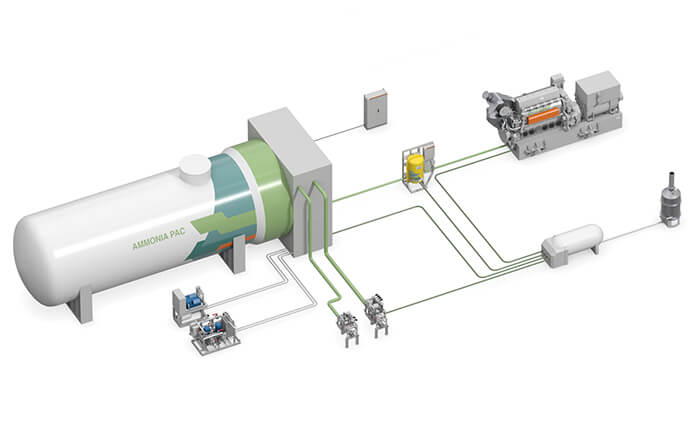
Wärtsilä LNGPac is a complete fuel gas supply system for LNG-fuelled ships. The system can include LNG storage tanks, bunkering systems, process equipment and control and monitoring systems to support safe handling of LNG. It can be delivered as a standard or tailor-made solution and integrated with the wider Wärtsilä portfolio.
Wärtsilä MethanolPac is a complete fuel supply system for methanol-fuelled ships. It ensures the safe handling of methanol fuel for marine propulsion and power generation applications. The modular solution can be delivered as a standalone fuel supply system or as part of a complete Wärtsilä propulsion solution.
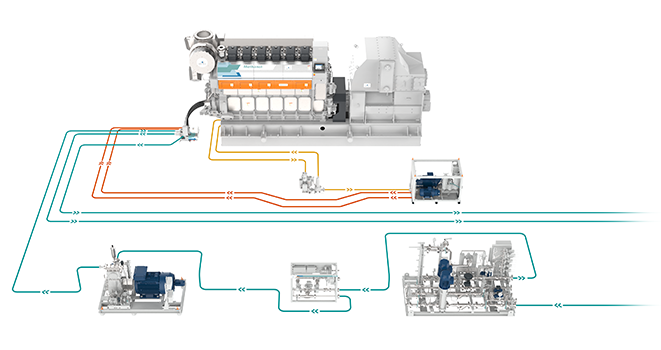
Wärtsilä AmmoniaPac is a complete fuel supply system for Wärtsilä’s 4-stroke ammonia engine. It supports the safe storage, processing and supply of ammonia fuel and includes dedicated control, monitoring and safety functions. The solution supports both propulsion and power generation applications.
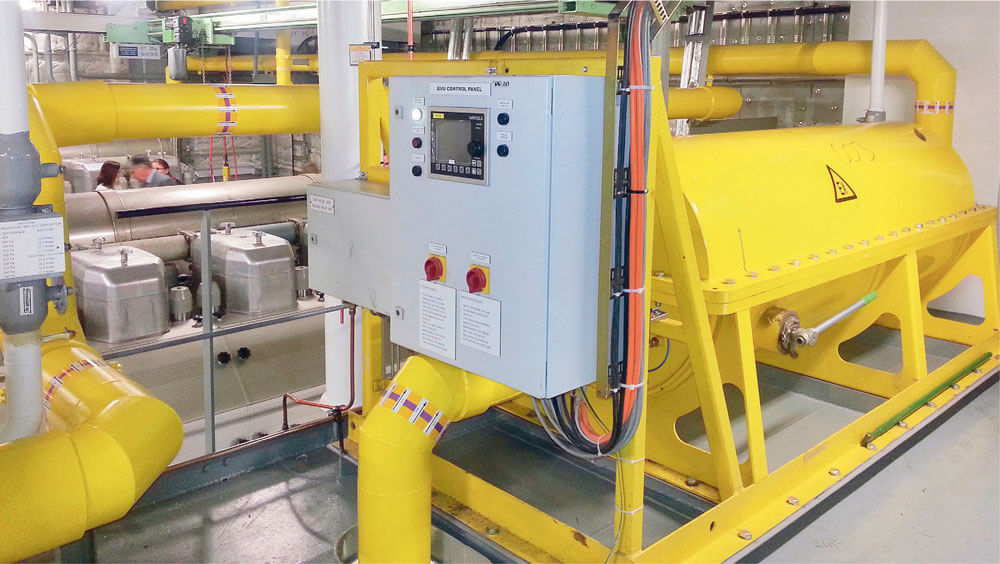
The Wärtsilä Gas Valve Unit regulates the gas pressure supplied to individual engines according to engine load requirements. It supports safe and reliable operation through functions including automatic leakage testing before gas operation and nitrogen inerting in hazardous situations. The unit can be installed in the engine room or in a dedicated machinery room and acts as an important part of the onboard gas handling system.
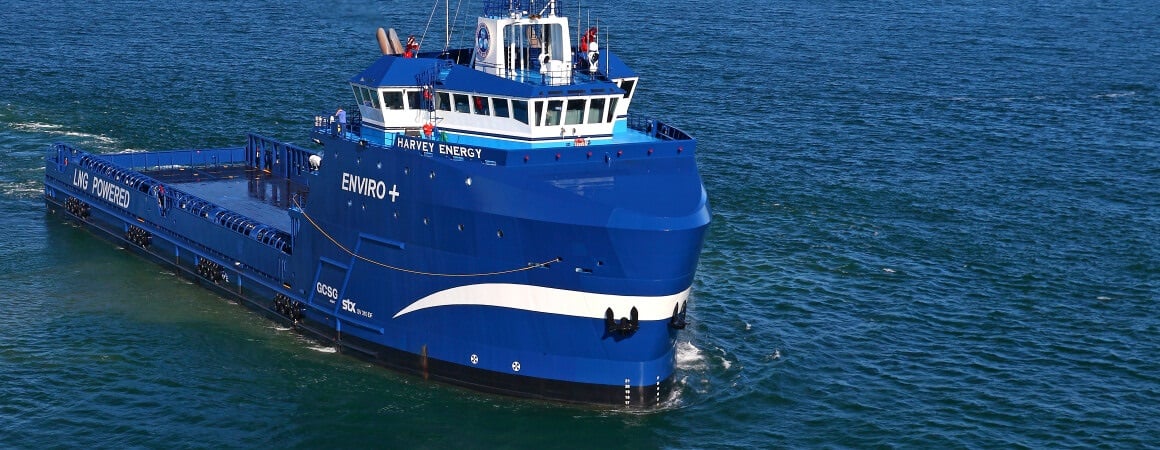
Alternative-fuel adoption is already moving from planning to implementation. Explore examples of how Wärtsilä fuel supply technologies are supporting LNG-, methanol- and ammonia-fuelled vessel projects.
Successful alternative-fuel projects depend on more than fuel storage alone. Fuel handling systems must work together with engines, automation systems, vessel layouts and onboard safety arrangements.
Wärtsilä develops fuel supply systems together with its engine and propulsion solutions, helping customers evaluate complete vessel concepts rather than individual components. This approach supports safe fuel handling, reliable operation and vessel-specific optimisation across a range of alternative-fuel projects.
Depending on the fuel and vessel type, solutions can be delivered as standalone systems or integrated into broader Wärtsilä propulsion packages. This can help simplify system interfaces and integration activities during project development and implementation.
Fuel supply systems are only one part of an alternative-fuel vessel strategy. These resources can help you explore fuel pathways, vessel applications and industry developments in greater detail.
LNG as fuel for ships: expert answers to 17 important questions: Learn more about LNG as a marine fuel and explore common questions related to vessel applications, fuel characteristics and adoption.
Methanol as marine fuel – is it the solution you’re looking for? Learn about the opportunities, challenges and practical considerations involved in using methanol as a marine fuel.
Ammonia as marine fuel? Benefits, challenges, and smart adoption: Explore key aspects of ammonia as a marine fuel, including its potential role in shipping decarbonisation.
Selecting an alternative fuel affects more than the engine itself. Fuel storage, bunkering, onboard safety systems, automation, vessel layout and fuel handling infrastructure all need to work together. Wärtsilä can help you identify the fuel supply solution that best fits your project requirements and fuel strategy.
Contact us to discuss your LNG, methanol or ammonia fuel supply requirements.
The contents of this page have been written with the help of AI. A Wärtsilä expert has checked and verified these contents.