




The Alaska Department of Environmental Conservation (DEC) requires every large cruise vessel to collect treated wastewater samples for laboratory testing. The data represents one of the most rigorous and transparent performance programmes in maritime environmental regulation.
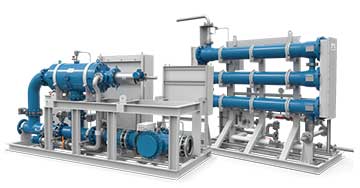
In 2024, independent testing confirmed Wärtsilä's Hamworthy MBR systems achieved exceptional compliance rates under demanding real-world conditions.
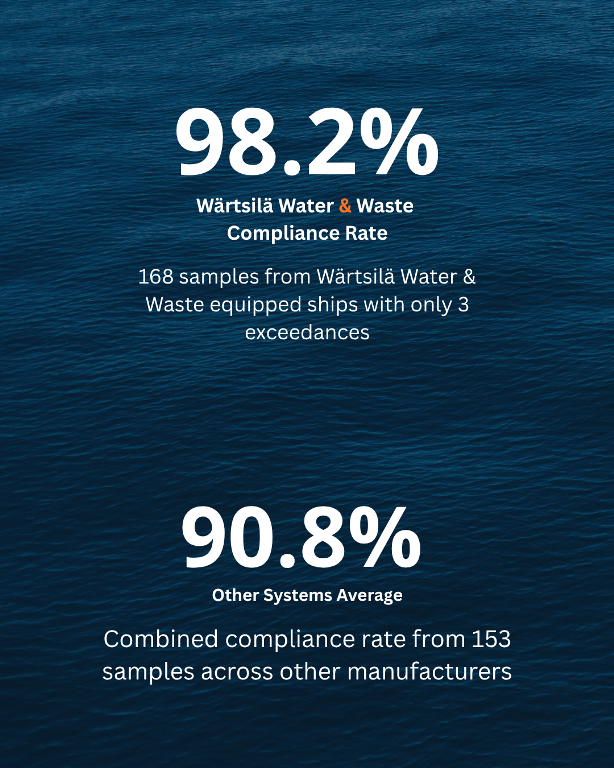
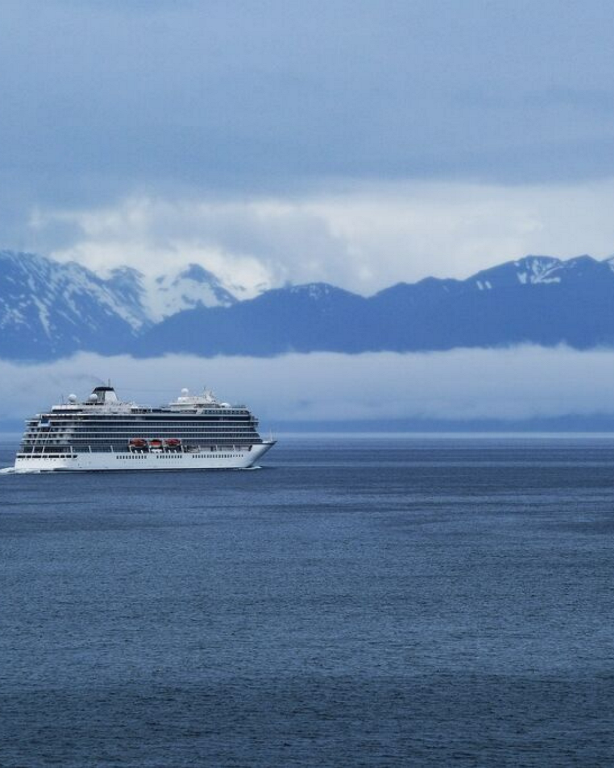
In 2024, 46 large cruise ships operated in Alaska, with 27 authorized to discharge. The DEC analyzed 321 effluent samples throughout the season.
Among these were 14 ships fitted with Wärtsilä's Hamworthy MBR systems, representing five major cruise operators and a wide range of vessel sizes.
Of the 168 samples from Wärtsilä-equipped ships, only three did not meet Alaska's stringent discharge criteria, achieving a 98.2% compliance rate. Other manufacturer systems reached a combined average compliance rate of 90.8% (14 exceedances across 153 samples).
A statistical comparison showed the performance gap is statistically significant with less than one percent likelihood of occurring by chance, reflecting genuine system reliability rather than random variation.
Maximum allowable faecal coliform concentration is 40 FC/100 mL, significantly tighter than most shore-based standards.
DEC inspectors conduct in-port and underway inspections, review logs, and publish findings annually with full transparency.
Coastal communities depend on waterways for fisheries, tourism, and subsistence zones that sustain commercial salmon runs and shellfish harvesting.
Alaska's geography, economy, and politics drive this rigorous testing model. Ships operate within view of ecosystems that underpin local livelihoods. This proximity has created a culture of monitoring shaped by public accountability, ensuring vessels meet and prove they meet domestic water quality standards.