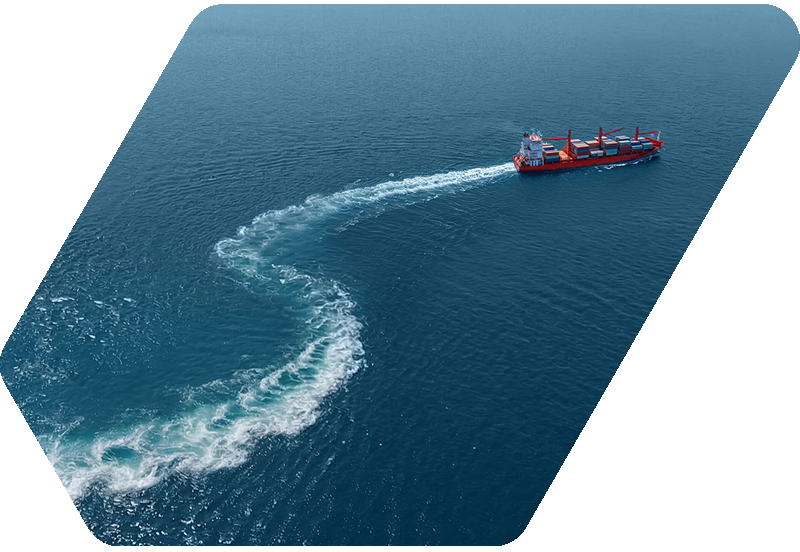
Whether your vessel is in operation, approaching maintenance, or heading to dry dock, different actions can improve vessel performance in different ways.
Energy efficiency is not one decision. What makes sense depends on whether your vessel is operating today, approaching maintenance, heading to dry dock, or still being designed. Wärtsilä helps you identify the right efficiency actions for your vessel’s current situation - from operational optimisation to retrofits, upgrades and newbuild design choices.
Use the interactive guide to identify the vessel-efficiency opportunities that would be most relevant to your current situation.
Many efficiency improvements are time-sensitive. Waiting does not only delay potential fuel savings. It can also mean missing maintenance windows, dry-dock opportunities and design decisions that may not become available again for years.
The earlier you identify the right opportunity, the more flexibility you have to plan investments, improve performance and maximise long-term returns.

Continuing fuel losses
Fuel inefficiencies continue to affect operating costs every voyage.

Missed maintenance opportunities
Some improvements are easiest and most economical to implement during planned service activities.

Missed dry-dock opportunities
Combining upgrades during dry dock can improve economics and reduce disruption.

Shorter time to recover investment
The later improvements are implemented, the less operating time remains to realise the benefits.
Best for:
Lowering fuel costs with minimal disruption
Typical challenges:
Consider:
Why now?
These actions improve efficiency immediately and help identify where larger improvements could deliver value later. Performance monitoring and improved vessel performance management can reveal other opportunities for improvement.
You don’t need downtime or CAPEX to start improving performance.
Typical results:
Up to 6% better fuel efficiency through voyage optimisation and fleet performance management.
Around 5% improved route efficiency using smarter routing and operational decision-making.
Greater visibility into performance improvement opportunities.
Operational insights often reveal opportunities best addressed during your next maintenance stop. They can also help identify electrification opportunities such as shore power connections and hybrid upgrades.
Best for:
Protecting performance and recovering lost performance
Typical challenges
Consider:
Why here?
Maintenance windows create opportunities to improve efficiency and reliability without creating additional downtime.
Maintenance windows unlock targeted performance improvements.
Typical outcomes:
Many efficiency improvements prepared during maintenance are fully realised during dry dock upgrades.
Best for:
Step-change efficiency improvements and long-term fuel savings
Typical challenges:
Consider:
Why here?
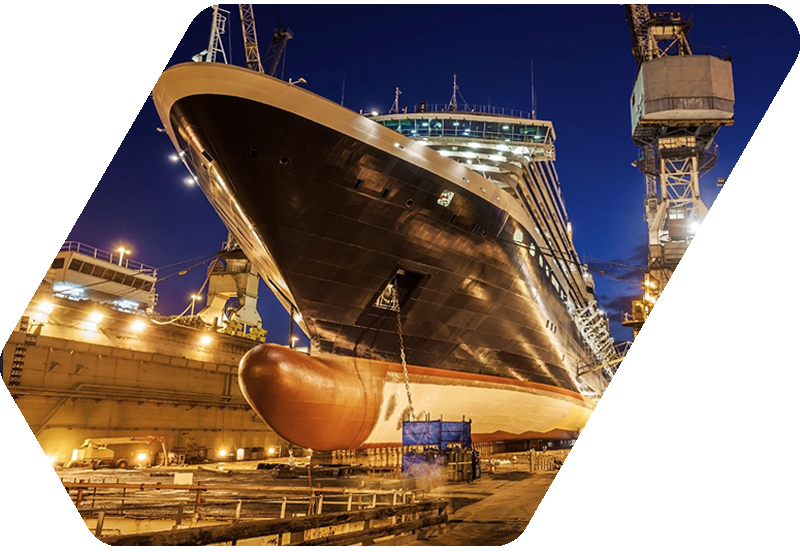
Dry dock is often the highest-value efficiency investment window available during a vessel's operating life. It creates access to propulsion, hydrodynamic and structural improvements that can continue generating fuel savings for years.
This is also when it is often the most practical time to combine multiple efficiency improvements into a single investment decision.
Dry dock is where the biggest efficiency gains become possible
Typical results
Many vessel owners achieve their largest fuel-efficiency gains through carefully selected dry-dock upgrades rather than day-to-day operational changes alone.
Up to 10% fuel-efficiency improvement
Through hydrodynamic optimisation and energy-saving technologies.
Efficiency gains visible within the next operating cycle
Dry-dock upgrades can deliver measurable performance improvements soon after returning to service
Built around payback and long-term value
The right combination of upgrades can create a strong business case while forming the foundation for future fuel savings.
Combining these upgrades with operational optimisation maximises long-term efficiency gains.
What you can do to ensure that your newbuild is as energy efficient as possible
Best for:
Long-term efficiency and flexibility
Consider:
Why here?
Some of the most valuable efficiency decisions are easiest and least costly to make in the vessel design phase, before the vessel enters service.
The earlier efficiency is considered, the greater the long-term impact.
Benefits from thinking beyond individual technologies:
A well-designed vessel can deliver benefits far beyond any single efficiency measure:
Fuel-saving technologies, maintenance activities, operational improvements and vessel upgrades can all contribute to better energy efficiency. The difficult part is deciding which actions should happen now and which should wait for the right implementation window.
The strongest results often come from sequencing improvements correctly rather than attempting to do everything at once.
This is why vessel owners increasingly evaluate energy-efficiency opportunities according to timing, access and expected business impact.
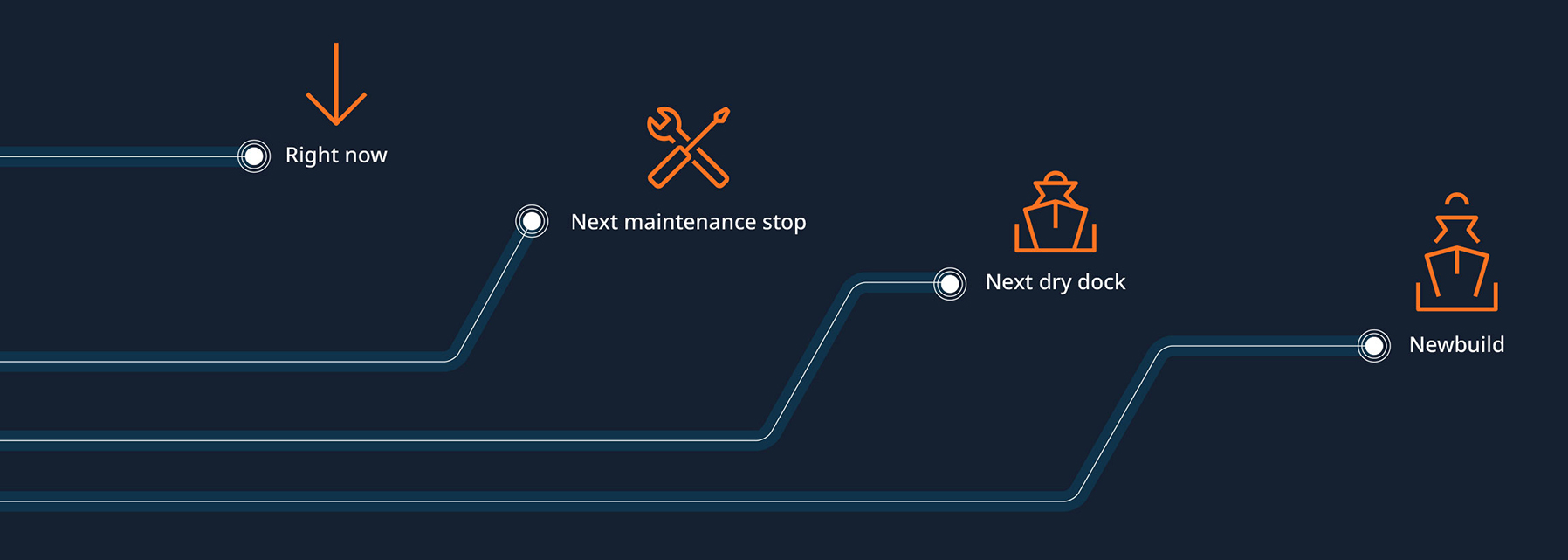
Your situation | Typical options for efficiency improvements |
The vessel is in operation | Operational optimisation and performance monitoring |
The next maintenance stop is approaching | Maintenance-driven efficiency improvements and targeted upgrades |
The next dry dock is being planned | Propulsion upgrades and energy-saving technologies |
Newbuild project | Integrated vessel design and future-ready solutions |
Many of the strongest results come from combining actions across multiple opportunity windows. For example:
Remember
The challenge is rarely a lack of efficiency options. Most vessel owners face the opposite problem: too many possible actions and limited opportunities to implement them.
The question is not only which technology or service could improve performance. The question is which action should come first.
Wärtsilä helps ship owners evaluate opportunities across operation, maintenance, dry dock and newbuild planning, so that improvement decisions can be aligned with operational needs, investment plans and long-term vessel performance goals.
Many vessel owners have multiple opportunities to improve efficiency, but limited time, budget and implementation windows. A discussion with an expert can help clarify which actions make sense today, which should be planned for maintenance or dry dock, and which belong in future vessel projects.