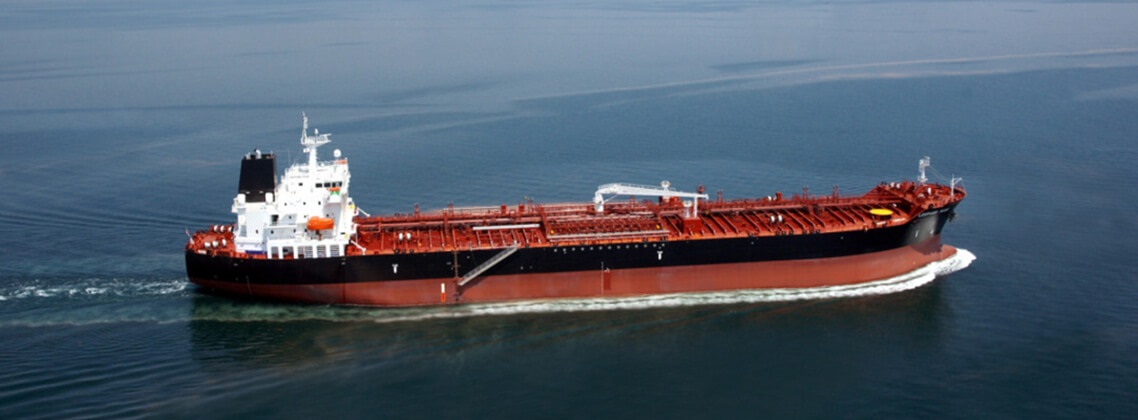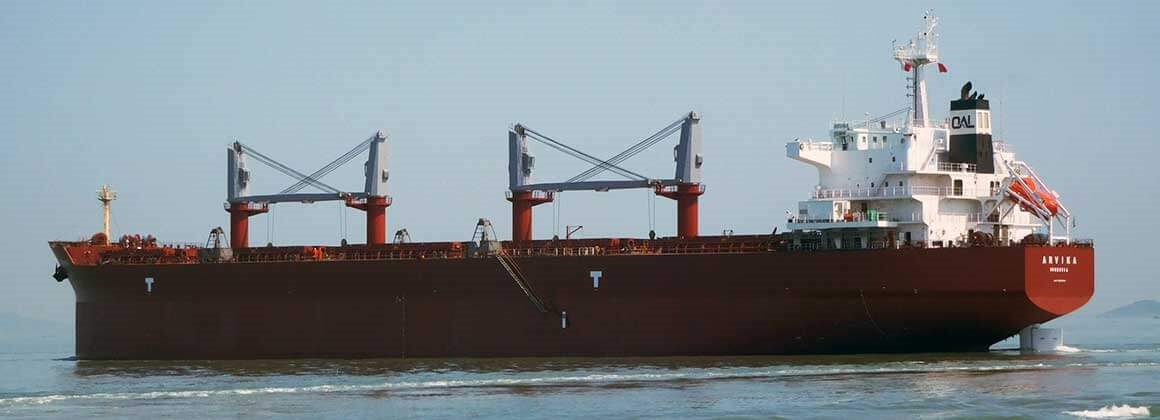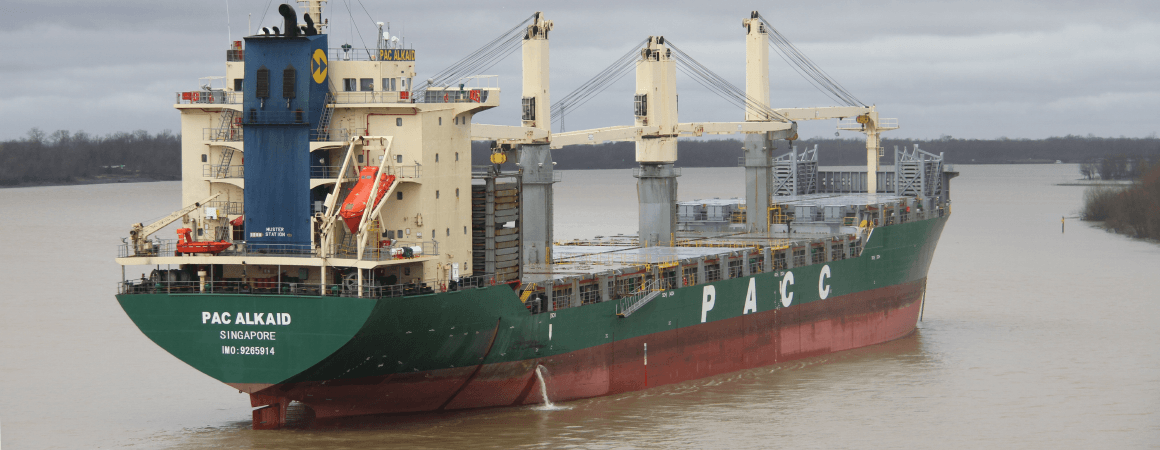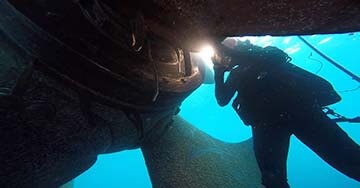

EnergoProFin is especially relevant when a planned dry dock creates an opportunity to improve propulsion efficiency and reduce fuel consumption with limited operational disruption. It can also be considered during selected newbuild projects where long-term operating costs and vessel efficiency are important decision factors.
At a glance
What it is
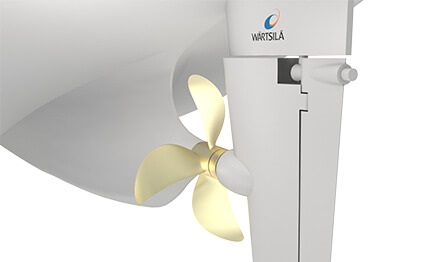
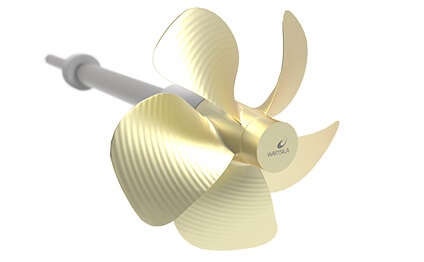
EnergoProFin is a propulsion-efficiency device fitted to the propeller hub that helps recover energy that would otherwise be lost behind the propeller.
Why it matters
How it works
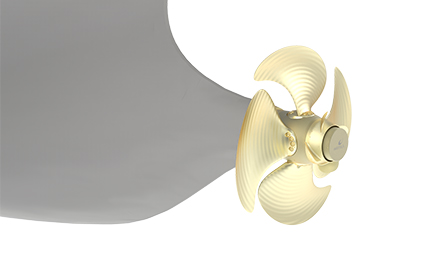
Rotating fins attached to the propeller cap help recover energy from water flow behind the propeller, improving overall propulsion efficiency.
Where it applies
Suitable for many existing vessels and newbuilds using fixed-pitch propellers, and selected controllable-pitch applications.
Fuel remains one of the largest operating costs for most vessels. Propulsion-efficiency upgrades such as EnergoProFin can help reduce the power required to maintain speed, improving fuel efficiency and supporting long-term operating economics.
For many owners, EnergoProFin becomes particularly attractive when efficiency improvements can be combined with a planned dry dock, propulsion upgrade programme or vessel-performance initiative.
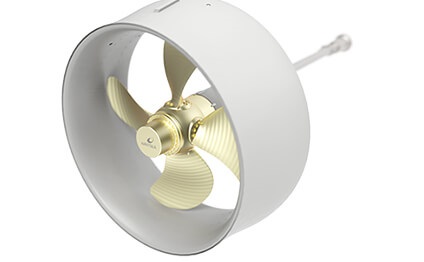
The Wärtsilä EnergoProFin is an energy saving propeller cap with fins that rotate together with the propeller. It improves propulsive efficiency by weakening the hub vortex, and by recovering kinetic energy from the rotating flow aft of the propeller blades.
The Wärtsilä EnergoProFin is suitable for new build and existing vessels; fixed pitch propellers of any propeller brand and controllable pitch propeller for Wärtsilä brand propellers only.

Adding EnergoProFin, an energy-saving post-swirl device is a great way to reduce your emissions. You will find 50 more ways in a fascinating eBook “51 great ways the maritime industry could cut its greenhouse gas emissions”. Learn more:
EnergoProFin is one of many ways to improve propulsion efficiency. Explore the Energy Efficiency page to see which efficiency opportunities are typically evaluated during operation, maintenance, dry dock and newbuild planning.