
17 November 2026 · 12 pages
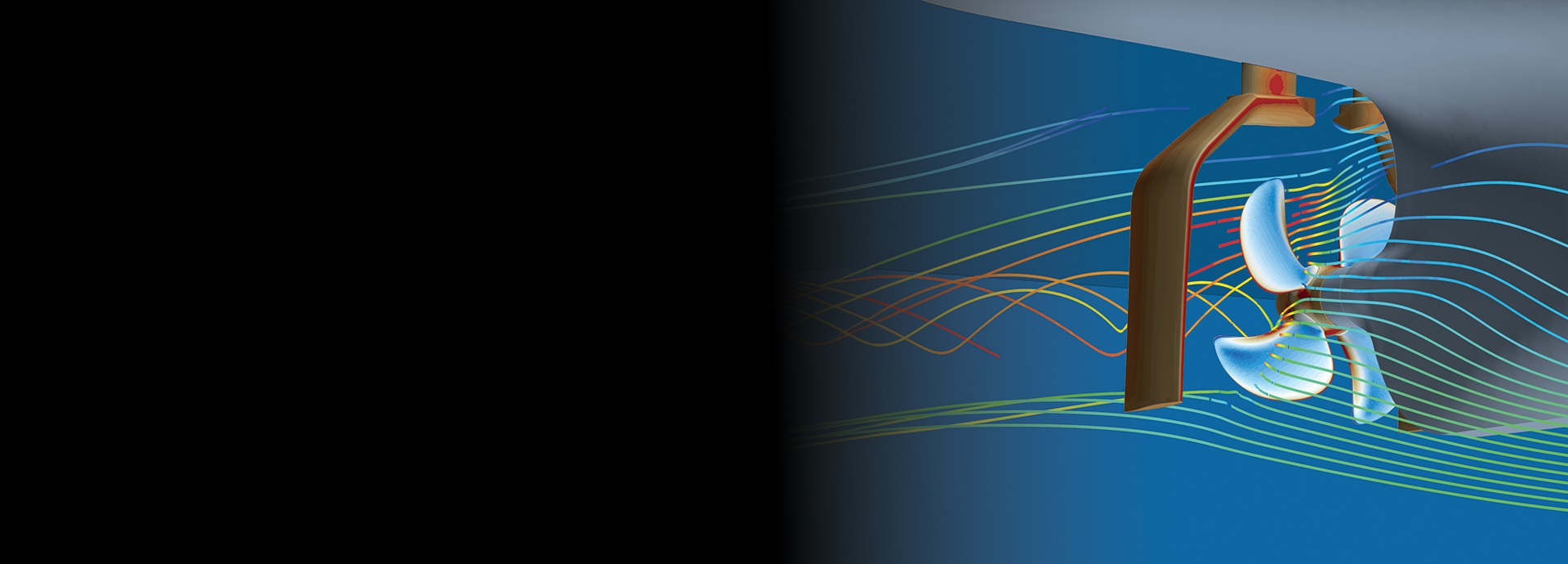
Early newbuild decisions can shape vessel efficiency for years to come. Discover why designing propulsion and steering together can reduce power demand and influence choices from propeller configuration to aft-ship arrangement.
The way propulsion and steering interact can affect hydrodynamic efficiency, power demand and even the possibilities available for the wider vessel arrangement. But these opportunities need to be considered early: once the propulsion architecture and major vessel arrangements are fixed, evaluating an integrated approach becomes increasingly difficult.
What this paper delivers
You will get:
Integrated propulsion and steering can influence much more than vessel efficiency. Evaluating foil geometry, propeller diameter and hull form together can bring surprising benefits – affecting power demand and the wider vessel arrangement.
This paper gives you a different way to think about an early newbuild decision, so you can decide whether integrated propulsion and steering deserves further evaluation before the range of practical design options starts to narrow.

Spot overlooked efficiency potential
Understand how the interaction between propulsion, steering and the hull can influence drag, thrust losses and vessel power demand.

Keep more design options open
Explore how an integrated approach can affect propeller position, machinery spaces, usable cargo space and the wider aft-ship arrangement.

Make the decision at the right time
Learn why integrated propulsion and steering should be evaluated during concept design, before the propulsion architecture and major vessel arrangements are fixed.
This page was prepared with AI assistance and reviewed by Wärtsilä Marine energy-efficiency specialists.