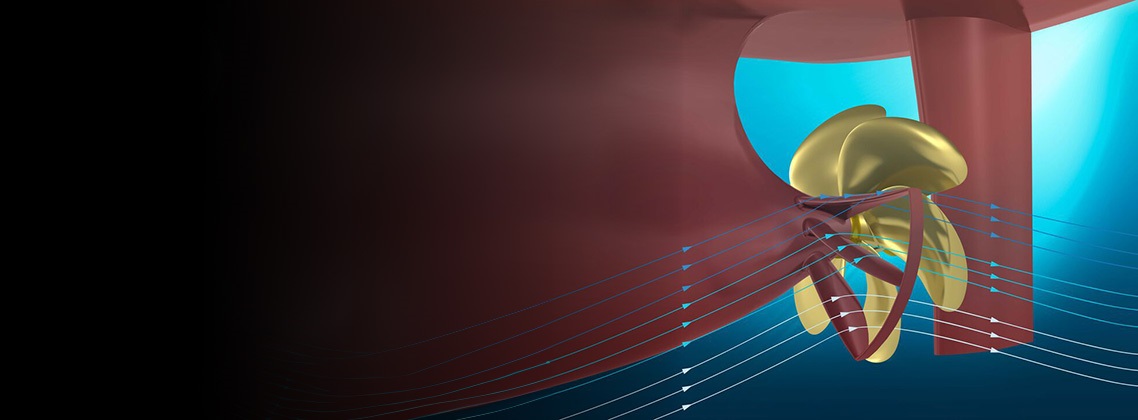
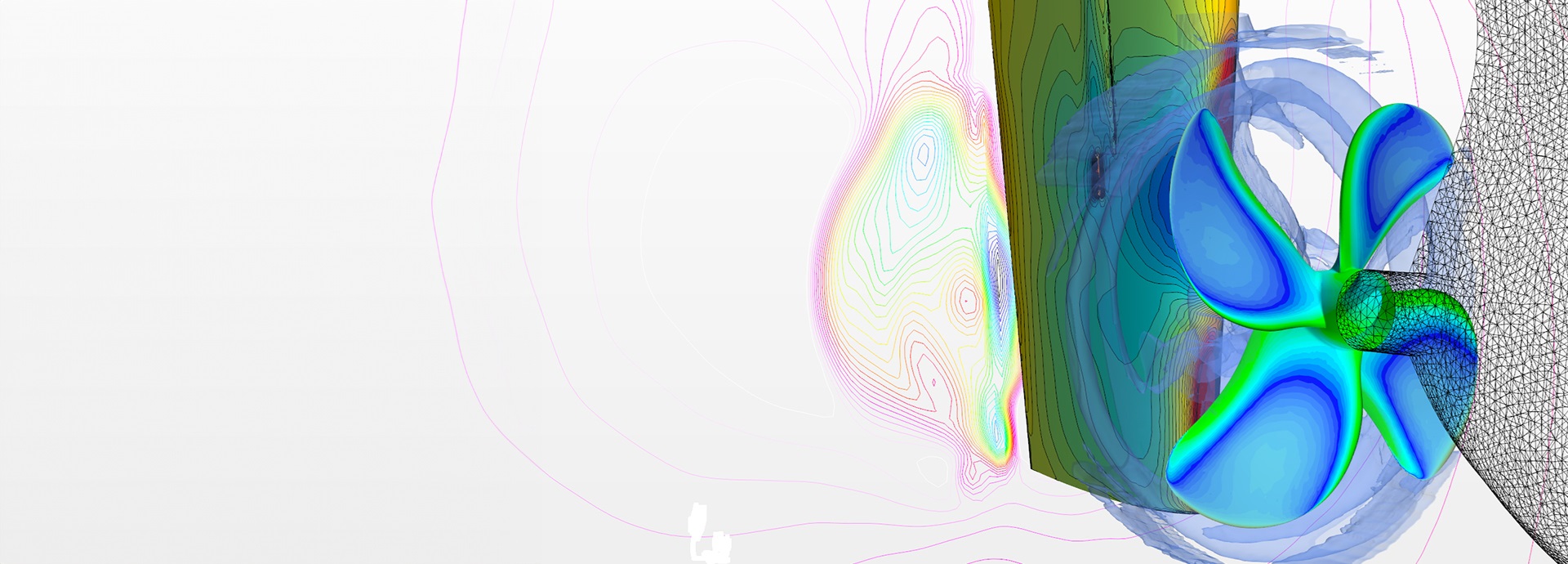
Energy saving technologies (ESTs) reduce the power your vessel needs to move through water. They improve the vessel’s propulsion efficiency, which is one of the fastest ways to reduce fuel consumption, improve CII, and cut emissions.
These technologies can be applied as retrofits or in newbuilds, depending on the solution. Whether you need to reduce emissions to stay compliant, or to maintain current market speeds, energy saving technologies can help.
Explore 11 proven energy saving technologies from Wärtsilä – with typical savings, retrofit guidance, and links to deeper technical details.
What they are:
Why they matter:
How they work - Energy saving technologies may, for example:
Where they are applicable:
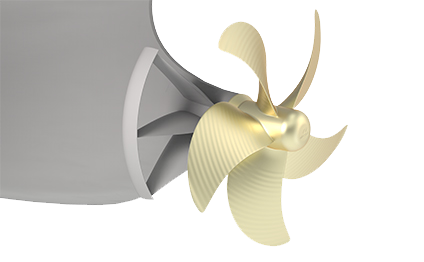
EnergoFlow
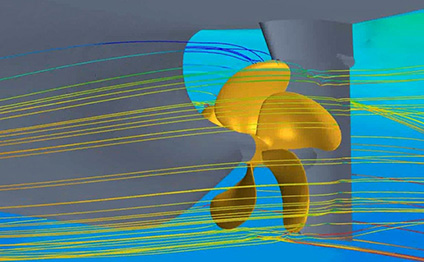
Innovative pre-swirl stator that improves a vessel’s propulsive efficiency by creating an optimal inflow for the propeller.
Typical fuel savings
Fit
Other benefits
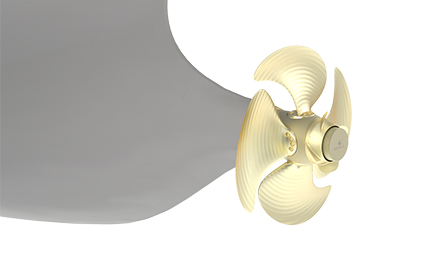
EnergoProFin
Energy saving propeller cap with fins that rotate together with the propeller.
Typical fuel savings
Fit
Other benefits
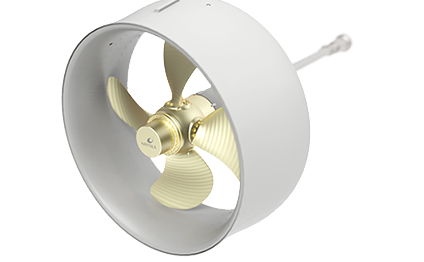
High performance nozzle
The Wärtsilä HP nozzle improves the vessel’s bollard pull performance.
Typical fuel savings
Fit
Other benefits
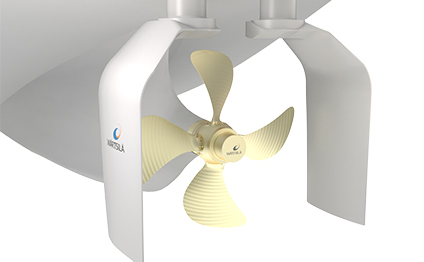
GATE RUDDERTM
Innovative energy saving and manoeuvring device has a unique design formed of two foils on either side of the propeller.
Typical fuel savings
Fit
Other benefits
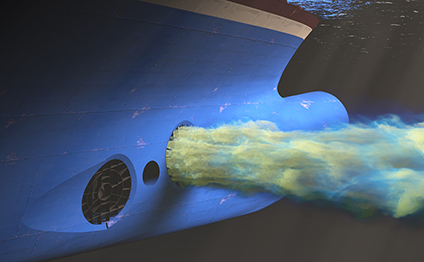
Elogrid by Wärtsilä
Custom CFD‑optimised grid for tunnel thrusters.
Typical fuel savings
Fit
Other benefits
Wärtsilä offers Elogrid under a licensing and co‑operation agreement with Elomatic and provides sales, manufacturing, installation and maintenance within the licensed scope
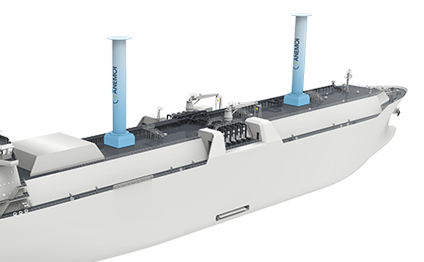
Rotor sails
Proven energy saving technology that harnesses the wind to provide auxiliary propulsion to vessels.
Typical fuel savings
Fit
Wärtsilä is an authorised seller/service partner of Anemoi Rotor Sails
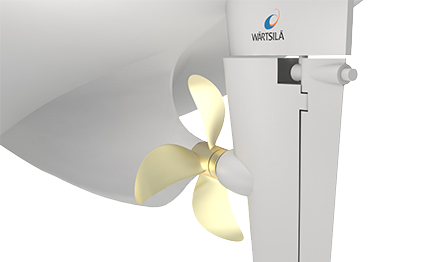
EnergoPac
Integrated propeller and rudder design that lowers resistance and improves high-lift performance.
Typical fuel savings
Fit
Other benefits
Reduces vibration and thus offers greater onboard comfort
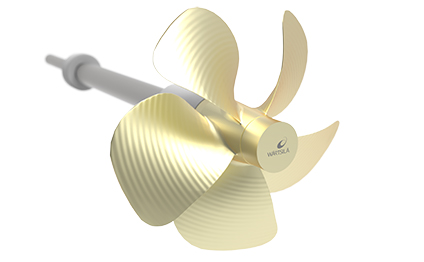
New propeller design
Redesigning the propeller can lead to significant efficiency gains for vessels.
Typical fuel savings
Fit
Other benefits
Fast ferries can also achieve higher speeds and efficiency gains with modifications to controllable pitch propellers
EcoControl and EcoControl for retrofit
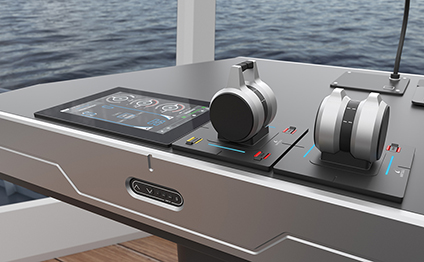
Smart propulsion control system EcoControl and EcoControl for retrofit that automatically selects the most efficient setpoint.
Typical fuel savings
Fit
Typical fuel savings
Fit
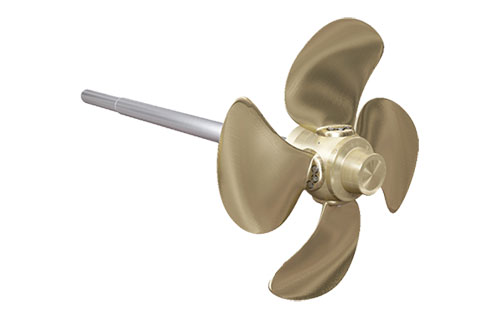
A controllable pitch propeller (CPP) can improve a vessel’s efficiency. CPP lets the vessel keep the engine at a steady speed while the system finds an efficient pitch for changing conditions. Wärtsilä tailors CPP systems and control logic using OPTI Design methodology so the propeller, engine and hull work efficiently together.
Learn more: Controllable pitch propeller systems from Wärtsilä
Fuel use now shapes both operating costs and emissions. When a vessel runs more efficiently, it burns less fuel and produces fewer emissions. This creates an immediate advantage for any owner who needs to control costs while preparing for a lower‑carbon future.
Regulations are tightening, and CII ratings already influence commercial decisions. Improving efficiency helps a vessel stay compliant and remain attractive in the market.
Energy saving technologies offer a practical way to achieve these improvements without waiting for major conversions or new fuels. They help operators reduce risk, meet rising expectations, and keep their fleet competitive as the industry moves toward net‑zero shipping.
Energy saving technologies help you control operating costs in a market where fuel remains a major expense. When your vessels need less power to move, they burn less fuel. This creates immediate savings and makes budgeting more predictable, voyage after voyage.
They also support the financial stability of your fleet in a tightening regulatory environment. and you can strengthen the long‑term competitiveness of your assets.
Wärtsilä’s expertise covers the full spectrum of energy saving technologies from rudder and propeller-based solutions to rotor sails. Your vessels can stay productive and competitive for longer – at far lower CAPEX than a newbuild.
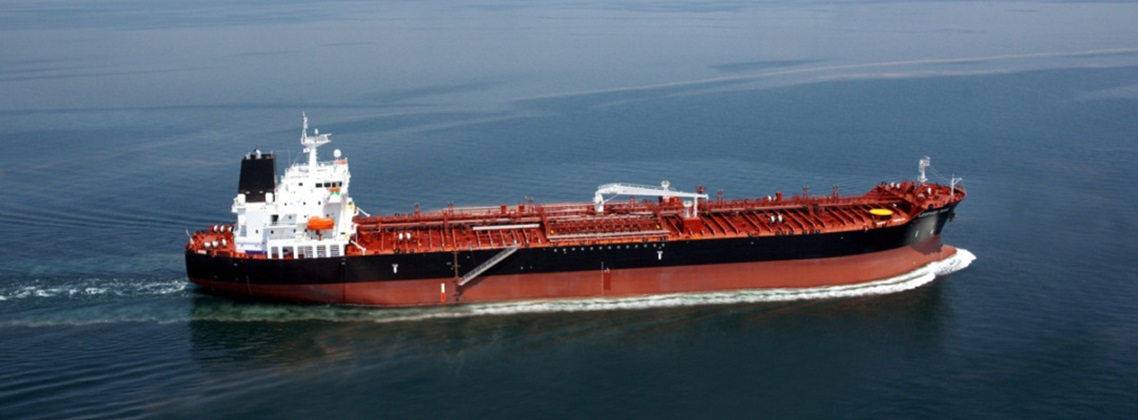
Wärtsilä’s energy saving technologies are already in use across different vessel types, with documented results that show how real fleets have reduced fuel consumption and emissions in day‑to‑day operations.
Figures shown are drawn from Wärtsilä customer cases and solution pages. Outcomes vary by vessel, operating profile and integration scope.
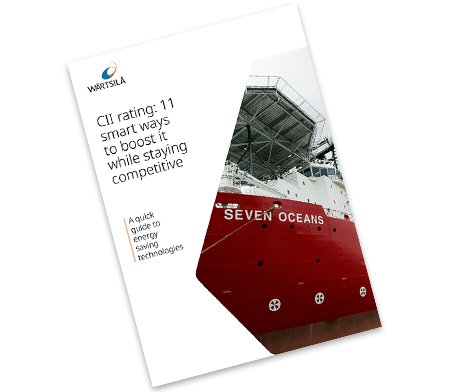
How to improve energy efficiency of ships? How to ensure a good CII rating while staying competitive? Energy saving technology is a part of the answer. Learn more:
Download the quick guide now!
Discover these articles, which help you learn more about the ways to improve the fuel efficiency for ships.

When you reduce the amount of power needed to push your vessel through the water, you reduce the amount of fuel it needs to consume and therefore the emissions it generates. There are plenty of ways to do this! 16 of them are listed in a new eBook – and 35 others as well.
Learn more: download the eBook “51 great ways the maritime industry could cut its greenhouse gas emissions”.
Fuel savings translate to emission savings – and emissions have a cost, too. When you are considering energy saving technologies to improve your vessel’s efficiency, have our experts assess your vessel and route.
You will get insights on technologies that would be the best fit for your operations. Let’s connect and plan your next gains.