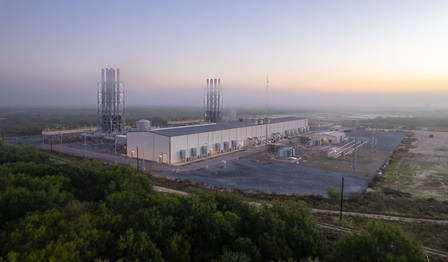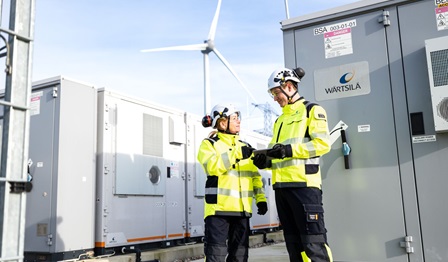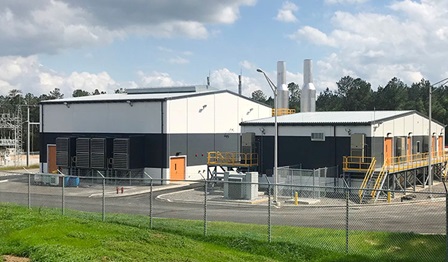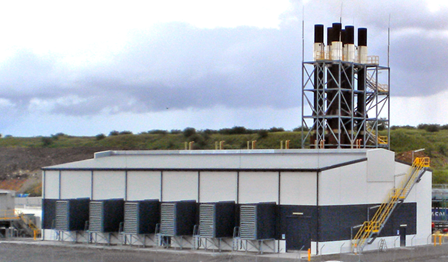
Wärtsilä Energy is at the forefront of the transition towards a 100% renewable energy future. We help our customers and the power sector to accelerate their decarbonisation journeys through our market-leading technologies and power system expertise.
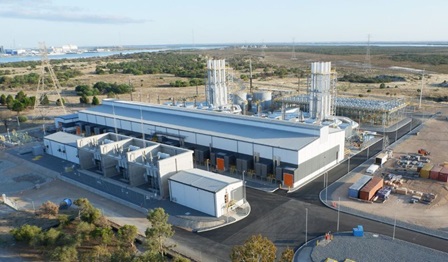
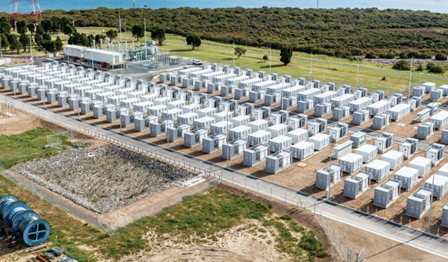
Our solutions include flexible engine power plants, energy storage and optimisation technology, and services for the whole lifecycle of our installations. Our engines are future-proof and can run on sustainable fuels.
Our track record comprises 79 GW of power plant capacity and over 130 energy storage systems in 180 countries around the world. Over 30% of our operating installed base is under service agreements.
of power plant capacity installed.
energy storage installations delivered.
of operating installed base under service agreements.
With a deep understanding of the energy transition and power systems, we can help our customers find their optimal and most efficient path towards 100% renewable energy, while balancing and future-proofing their power systems as demanded by the flexible grids of the future.
Our offering consists of a wide range of flexible solutions that provide optimised and reliable energy. We enable the transition to renewable energy with flexible engine power plants and energy storage technology.
We support our customers over the lifecycle of their installations ensuring performance and competitiveness in a safe, reliable and sustainable way.
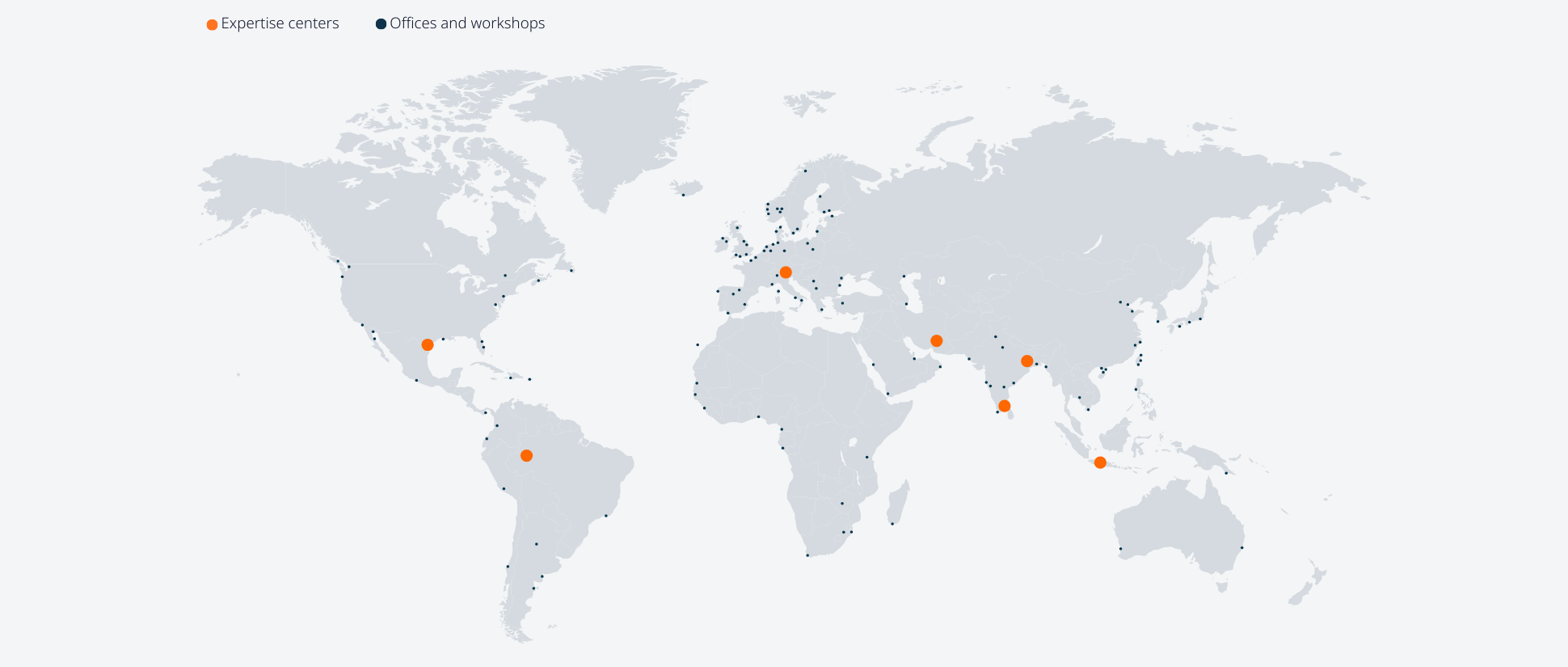
Supporting our customers globally is at the heart of Wärtsilä Energy's mission. We have established a robust geographical presence, with operations spanning over 70 countries worldwide.
Our strategic locations enable us to deliver innovative energy solutions tailored to the unique needs of each region. From Europe to Asia, Africa to the Americas, we are committed to driving the transition towards a 100% renewable energy future.
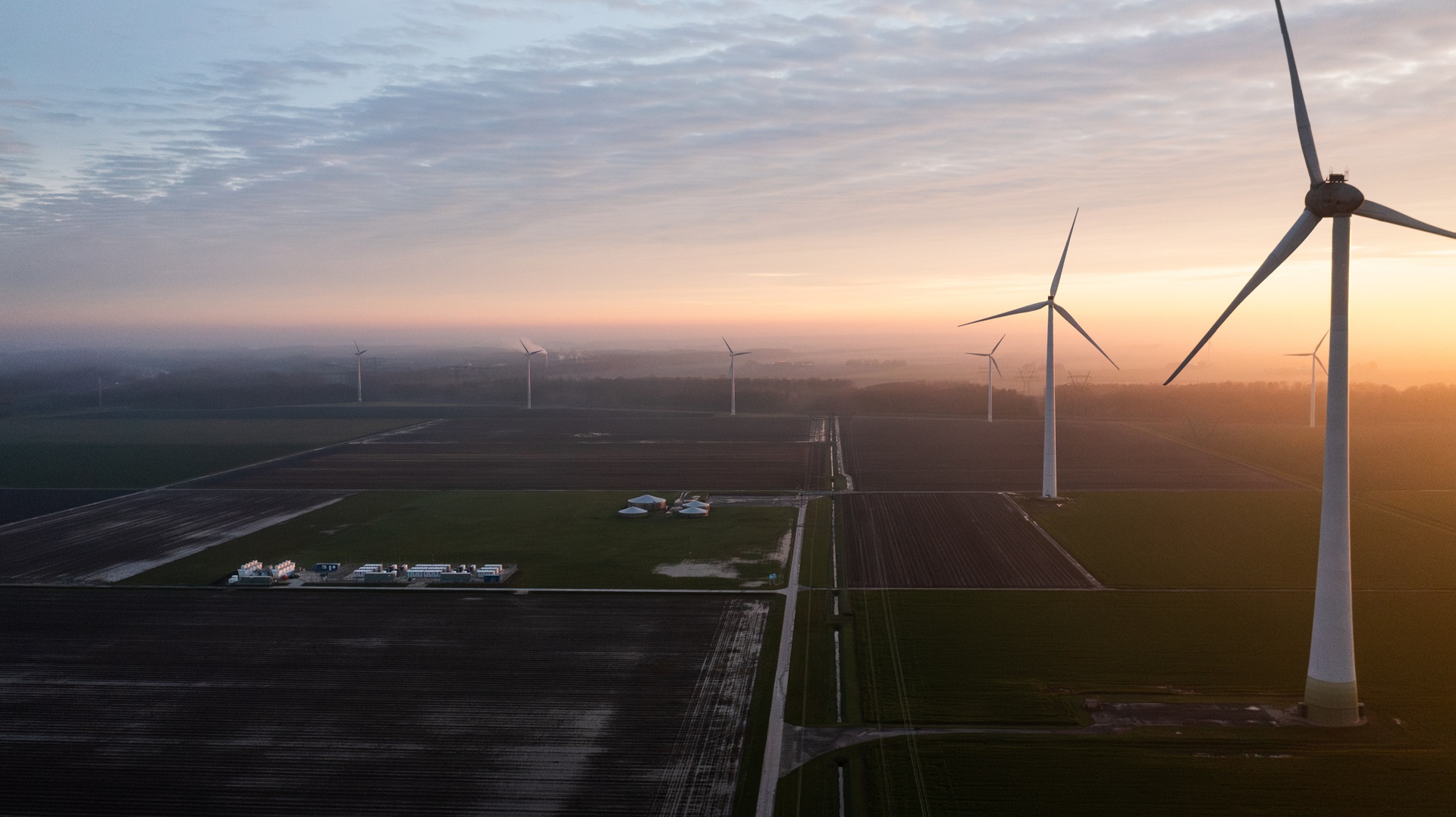
Tomorrow’s energy landscape is being reshaped by new technologies and regulation in unforeseen ways.
Decarbonising our industry is not something we can achieve overnight.
We believe that finding visionary partners with the most inspiring innovations is crucial in making it happen.
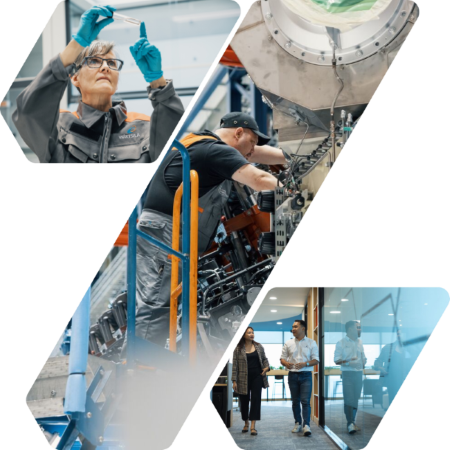
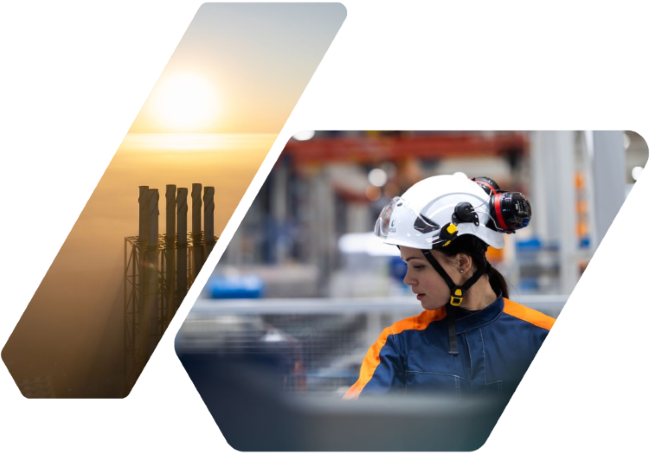
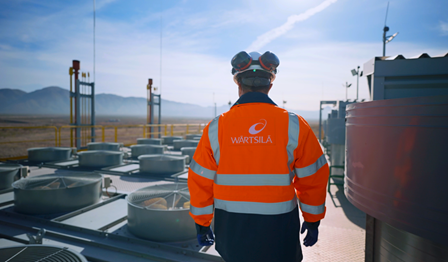
We are a global team of over 18,300 Wärtsilians in 77 countries across all seven continents.
We represent 128 different nationalities, and vary also in our fields of expertise; we have roles from underwater divers to cloud and machine learning developers and from assembly line workers to future fuel researchers, quality experts, and beyond.
While our skills and backgrounds are diverse, we are glued together by the impact we make and through our purpose: we enable sustainable societies through innovation in technology and services.
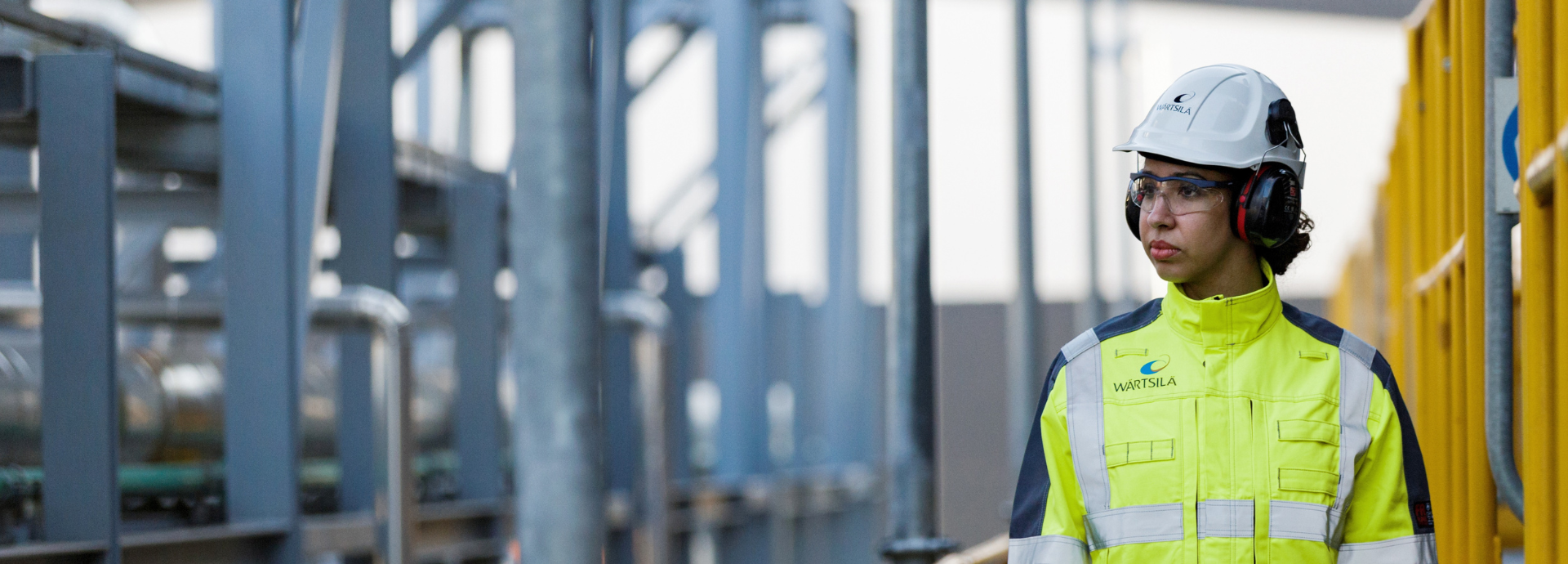
District heating is a multi-technology solution which is currently underutilised for Europe to meet near-term decarbonisation goals affordably, highlights a new study released by technology group Wärtsilä today. In 2021, district heating supplied just 11% of Europe's households’ heating demand. The study, conducted by economic consulting firm Compass Lexecon, shows that modernising this sector could cut EU carbon emissions and scale renewable energy use significantly by transitioning away from inflexible coal-fired systems.
The findings highlight the significant potential of integrating district heating and power systems (also known as sector coupling) to decarbonise both heat and electricity while delivering savings. Inflexible coal power and heat generation together in 2022 accounted for almost 450 million tons of CO2 emissions – almost 60% of the sector’s emissions.
The study identifies and analyses various revenue streams for combined heat and power generation (particularly CHP engines) using gas and examines relevant European regulatory framework and future trends affecting these revenue streams. It also includes country-specific case studies with insights into national regulatory and market environments.
“District heating has untapped potential in Europe to be a profitable pathway to net zero,” says Igor Petryk, Market Development Director at Wärtsilä Energy. “It is more than just heating homes – it is about enabling renewable energy growth, offering flexibility, and creating a viable solution for coal-dependent countries transitioning to cleaner energy.”
The findings suggest that flexible district heating technologies, such as CHP engines, can contribute to the integration of increasing renewable energy supply and accelerating the phasing out of fossil fuels. In Poland, recently published Wärtsilä’s modelling shows that by integrating district heating and power systems the country could save €3.8 billion over the next decade, reducing annual CO2 emissions in its coal-dominated power sector by 57% by 2032. In the modelling, CHP engines and heat pumps emerge as the key facilitators for efficiently integrating Poland’s expanding Renewable Energy Sources (RES) capacity.
Igor Petryk adds: “Combined heat and power engines and flexible technology like heat pumps optimise energy use. They dynamically select between heat and power production technologies to adapt to market prices, maximising economic returns. For example, when renewable energy is abundant, heat pumps and electric boilers absorb the extra energy. When solar and wind are low, these engines produce heat for cities and power for the grid. This two-way balance keeps energy supply reliable.”
The study further highlights the flexibility of the CHP engine technology compared to traditional gas turbines, allowing it to react more efficiently to fluctuating electricity supply and volatile prices. This advantage has been observed in case studies globally, where flexibilities procured by grid operators need to be made available within only 5 minutes or less. The ability to provide such short-term flexibility can provide a significant revenue stream for CHP engines, thereby reducing heat costs while also improving power system stability.
The case studies in Denmark, Hungary, Czech Republic and Poland, which are all existing district heating projects, confirm that investment into flexible technologies such as CHP Engines is feasible and future-proof. As district heating systems evolve across Europe, the Skagen case study in Denmark shows how CHP engine technology plays a key role even in grids with high renewable generation shares. Meanwhile, Zuglo in Hungary demonstrates the versatility of CHP engines deployed in district heating systems in providing electricity and grid stability.
Government support has been identified as a critical enabler for modernising and decarbonising district heating systems. In the Czech Republic, targeted subsidies aligned with EU goals have sped up CHP engine adoption and boosted investments. In Hungary, the ancillary services market encourages CHP engine investments, supporting greater use of renewables and lowering carbon emissions.
As Europe continues to focus on decarbonising its energy systems, district heating stands out as a robust, flexible multi-technology solution to address both climate change and energy efficiency challenges. While European Union (EU) regulations, such as the Energy Efficiency Directive, set the framework for decarbonisation by promoting the shift to renewable and low-carbon energy sources, national policies and transpositions of EU policy remain crucial in creating the regulatory frameworks that support investments into district heating.
With the right policy frameworks and technology investments, district heating can play a pivotal role in ensuring a sustainable and affordable energy future.
Gerald Aue, Vice President, Compass Lexecon concludes: "Our study shows that efficient CHP engines can play an important role in contributing to the mitigation of climate change by replacing coal. This is also acknowledged by the fact that these engines can fulfil the criteria of the EU Taxonomy for sustainable activities under certain conditions.”
Read more: Decarbonising District Heating
Notes to the editor
What is District Heating?
What are CHP Engines?
Case-studies:
Media contact for more information on this release:
Katri Pehkonen
Communications Manager
Wärtsilä Energy
Mob: +358 50 591 6180
katri.pehkonen@wartsila.com
Image caption: District heating is a multi-technology solution which is currently underutilised for Europe to meet near-term decarbonisation goals affordably, highlights a new study released by technology group Wärtsilä. © Wärtsilä
All Wärtsilä releases are available at www.wartsila.com/media/news-releases and at news.cision.com/wartsila-corporation where also the images can be downloaded. Use of the image(s) is allowed only in connection with the contents of this press release. Wärtsilä images are available at www.wartsila.com/media/image-bank.
Wärtsilä Energy in brief
Wärtsilä Energy is at the forefront of the transition towards a 100% renewable energy future. We help our customers and the power sector to accelerate their decarbonisation journeys through our market-leading technologies and power system expertise. Our solutions include flexible engine power plants, energy storage and optimisation technology, and services for the whole lifecycle of our installations. Our engines are future-proof and can run on sustainable fuels. Our track record comprises 79 GW of power plant capacity, of which 18 GW are under service agreements, and over 125 energy storage systems, in 180 countries around the world.
www.wartsila.com/energy
Wärtsilä in brief
Wärtsilä is a global leader in innovative technologies and lifecycle solutions for the marine and energy markets. We emphasise innovation in sustainable technology and services to help our customers continuously improve environmental and economic performance. Our dedicated and passionate team of 17,800 professionals in more than 280 locations in 79 countries shape the decarbonisation transformation of our industries across the globe. In 2023, Wärtsilä’s net sales totalled EUR 6.0 billion. Wärtsilä is listed on Nasdaq Helsinki.
www.wartsila.com