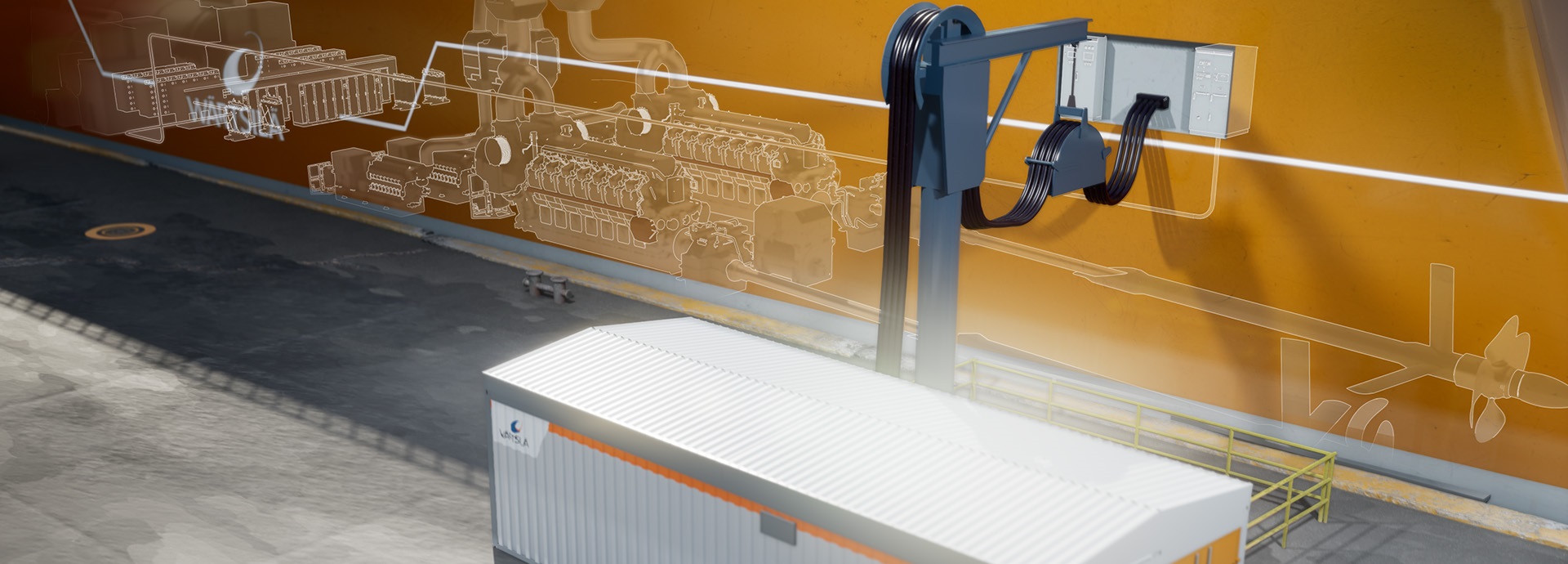
Electric shipping and hybrid ships are important solutions now that the marine industry has entered a new era – the age of decarbonisation and strict regulation. Vessels must be future proof: flexible enough to adapt to the changing needs in the future. As the regulation evolves and restrictions on emissions become stricter, the best way to stay competitive is to rely on the best available technologies. Electric shipping or ship electrification is one of the key solutions for marine decarbonisation.
The future of shipping is here: Play the video to discover how these interesting electrical solutions can reduce the environmental footprint for different vessels.
Electrical solutions will deliver reduced emissions as retrofits and offer a competitive advantage also for newbuild vessels.
Electrical solutions have been part of vessel design for many years in the form of diesel-electric propulsion or shaft generators, for example. The share of green energy – from renewable sources such as wind, water, and solar – in land-based electrical grids is on the increase.
It makes sense for ships to take advantage of shore-based green energy. As an example, using a shore connection can reduce emissions significantly while the ship is in port. Depending on the vessel and its operating profile there are many ways to reduce its emission footprint. The key is optimisation: finding the right solution for each vessel.
Slow steaming used to be the favourite solution for many vessels to reduce emissions. Flexibility was not an issue then, so this means that some vessels will never be fully optimised. Electrical systems onboard make it possible to use smarter propulsion systems. Smarter, more resilient, and more flexible – and thus capable of adapting to the changing needs in the future of shipping.
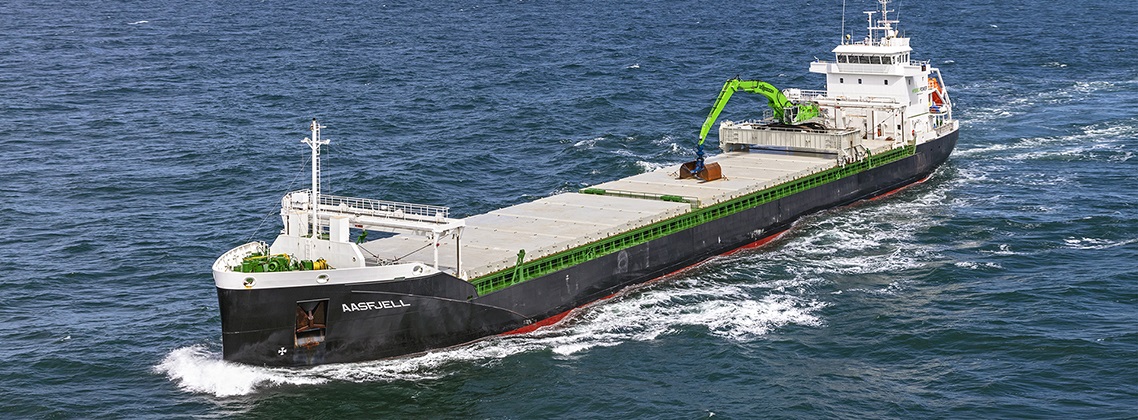
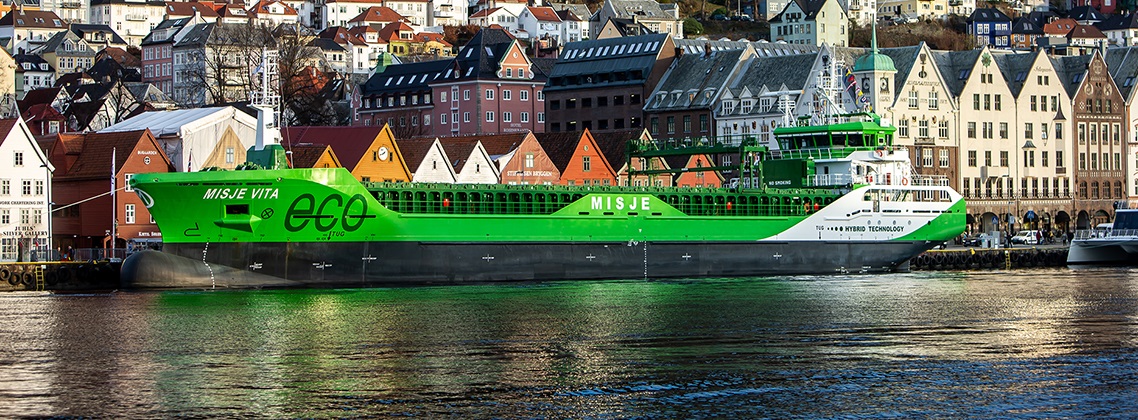
Deepsea vessels will have to adopt green fuel engine technology to decarbonise. Electrical systems will be an integral part of the system including shaft generators and shore connection. Electric cruise ships and electric cargo ships are a futuristic concept, but they can go hybrid and take advantage of solar energy to improve their efficiency.
Tugs can benefit from hybrid or even full electric solutions. They operate close to the shore to land based electrical infrastructure. Because they have high load variations and spend long periods of time on standby, hybrid electric solutions will cut their GHG emissions significantly.
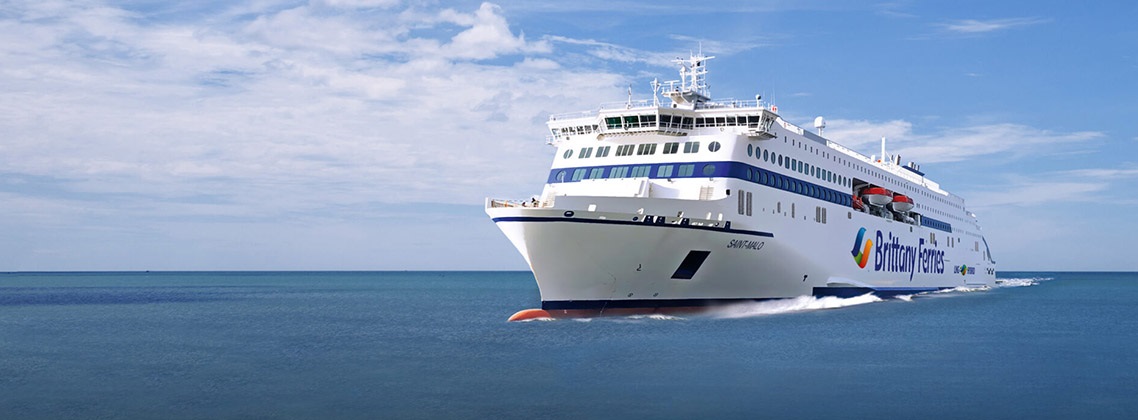
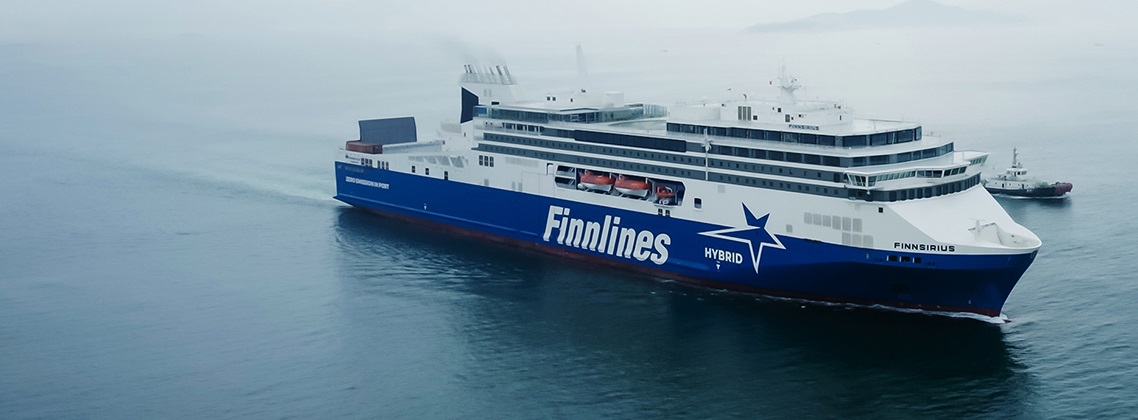
Ferries are often part of local transportation routes and can easily use the land-based charging infrastructure. If the route is short enough, the ferry can even be fully electric. Many ferries still prefer to have a hybrid electric solution to minimise risks.
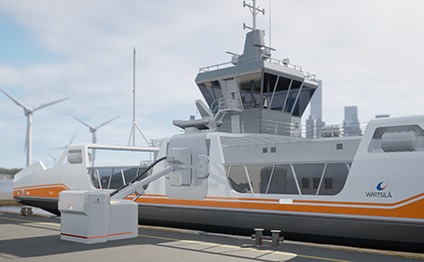
Any short-distance or coastal vessel can be a hybrid ship. They can charge their ship battery with green energy available at the port. They can be a zero emission ship while manoeuvring, station keeping, and port navigating if they switch to full electric power during those operations.
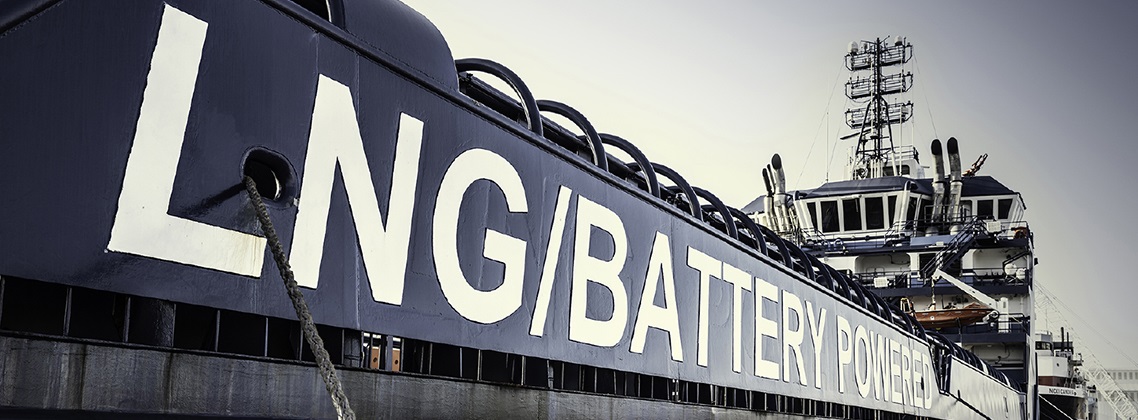
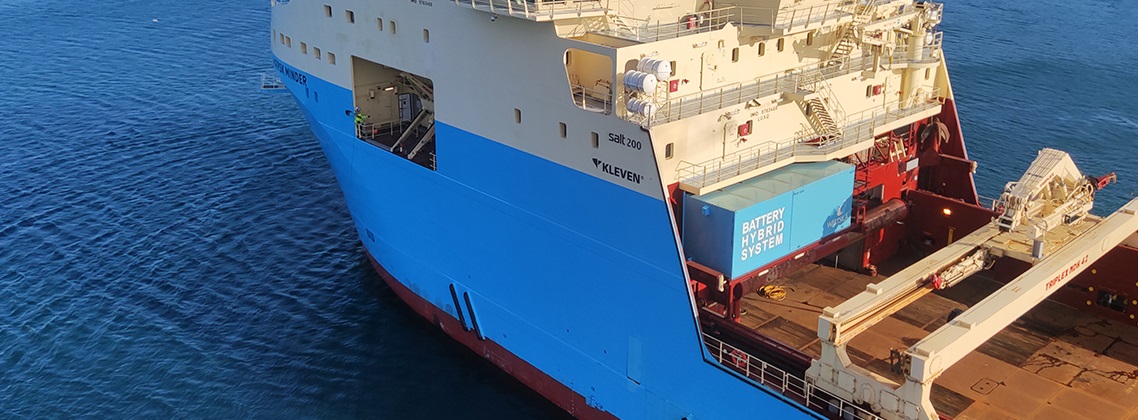
Hybrid systems can be used on a wide variety of vessel types, both newbuilds and retrofits. Discover the clever ways that a hybrid solution could help you cut your vessel’s operational costs.
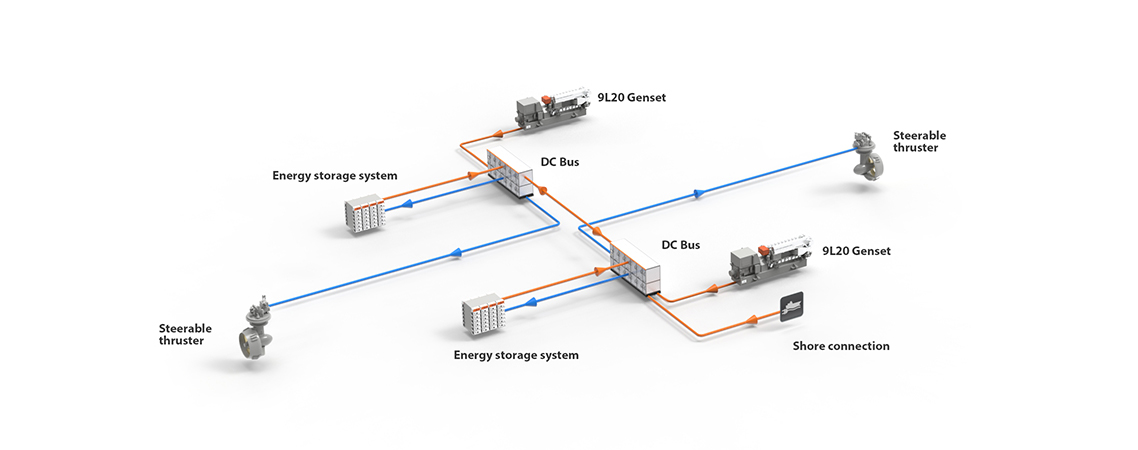
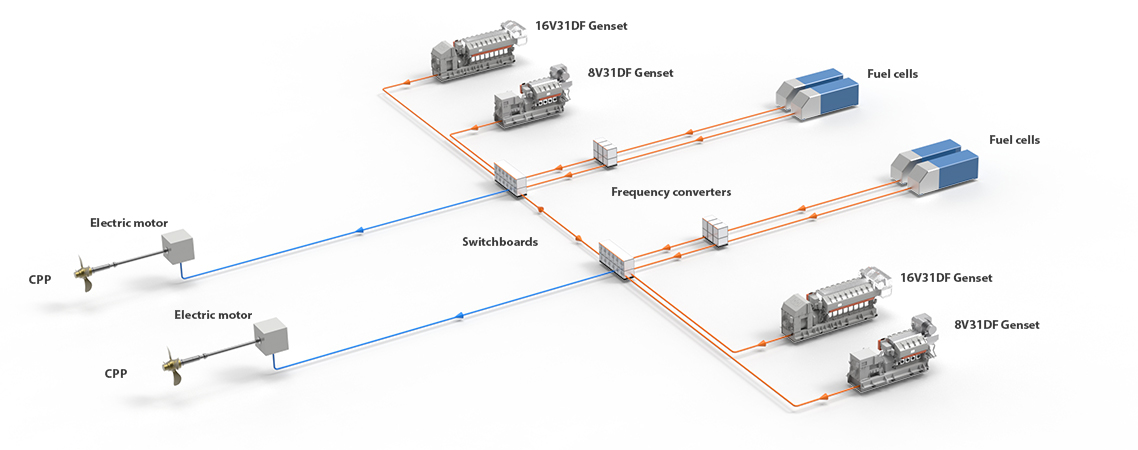
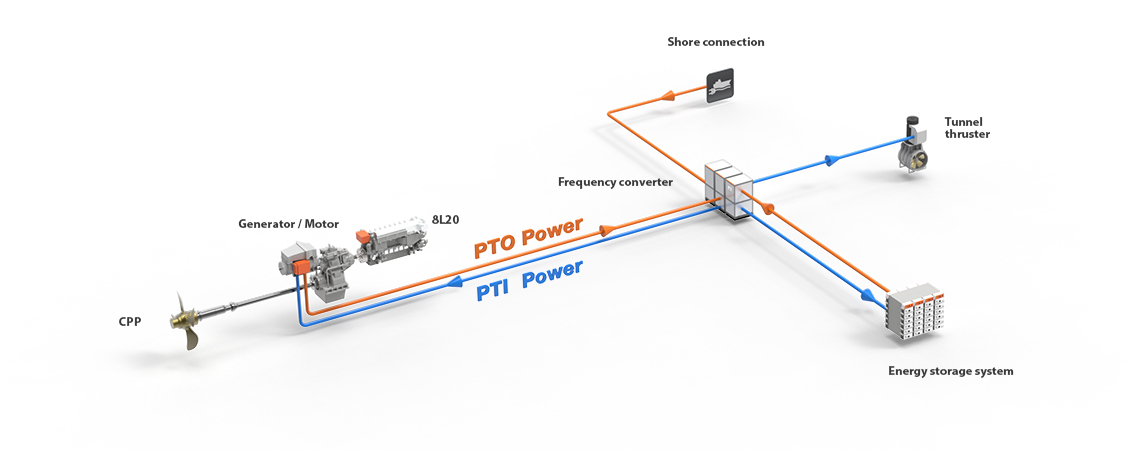
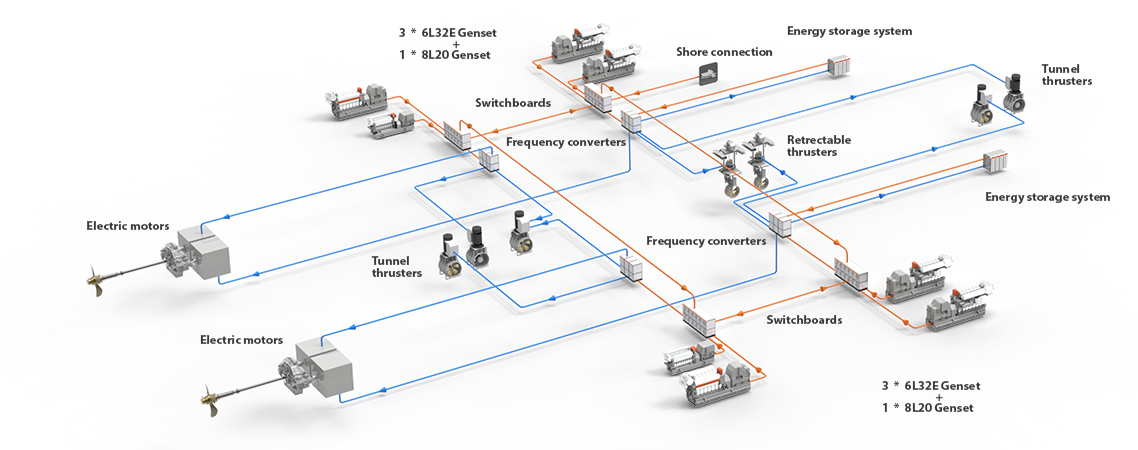
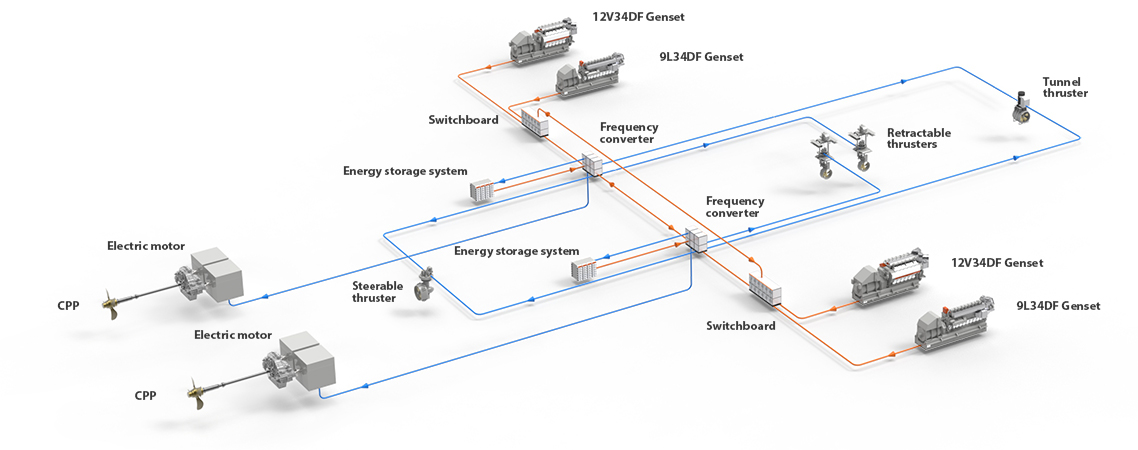
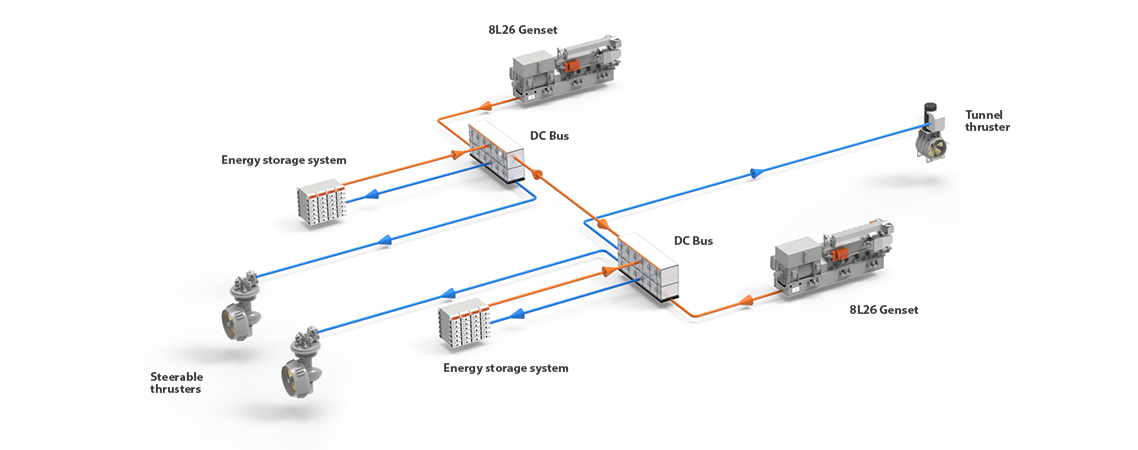
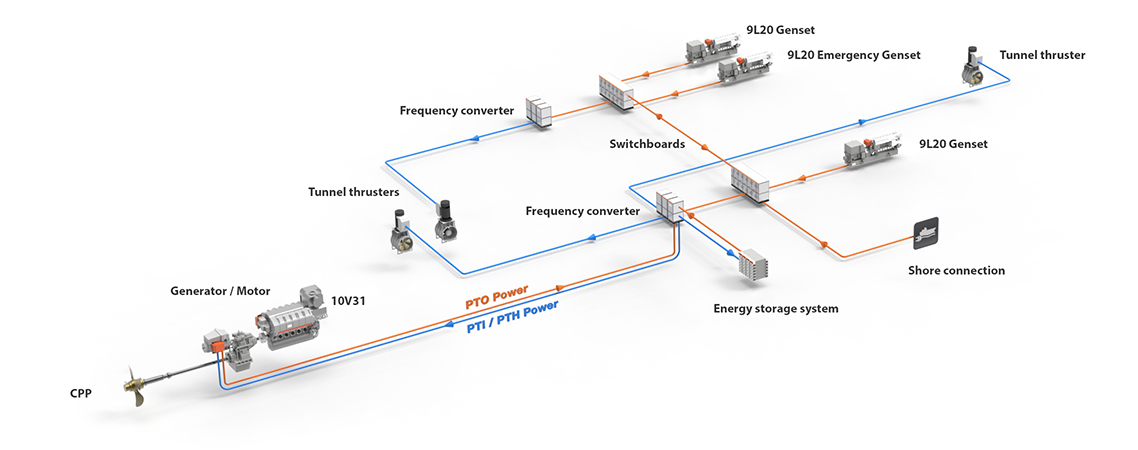
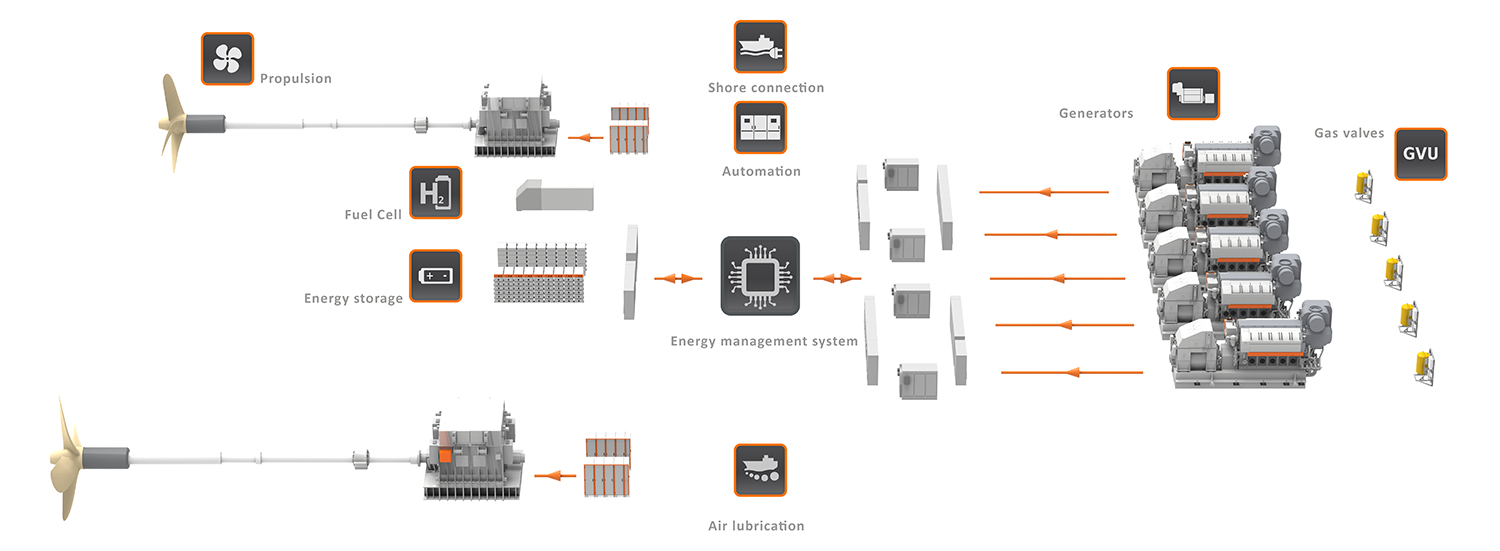
Which solution would be optimal for your vessels? The following are examples of actual solutions.
Expand all
Watch the video and you will also learn three reasons to consider ship electrification as a solution for marine decarbonisation.
Discover the benefits others have already gained from marine electric solutions.
Discover these insightful articles and case studies – they will build your knowledge of ship electrification and hybrid marine solutions.
Explore what you need to know about electric shipping and hybrid ships: watch the webinar recordings to learn from experts from the maritime industry and associations.
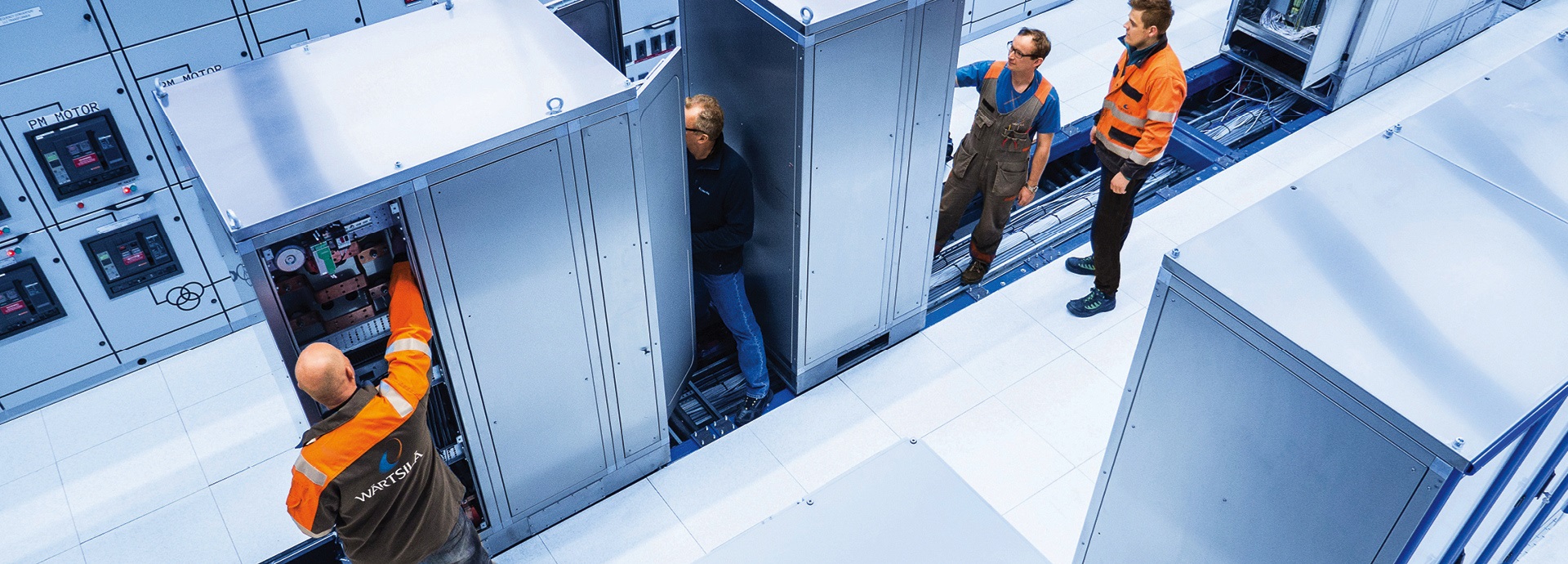
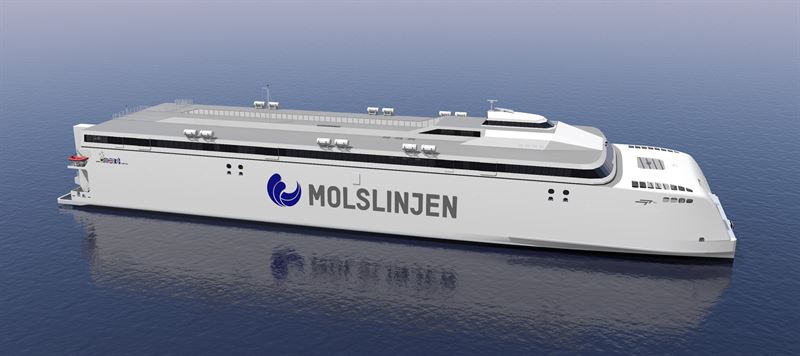
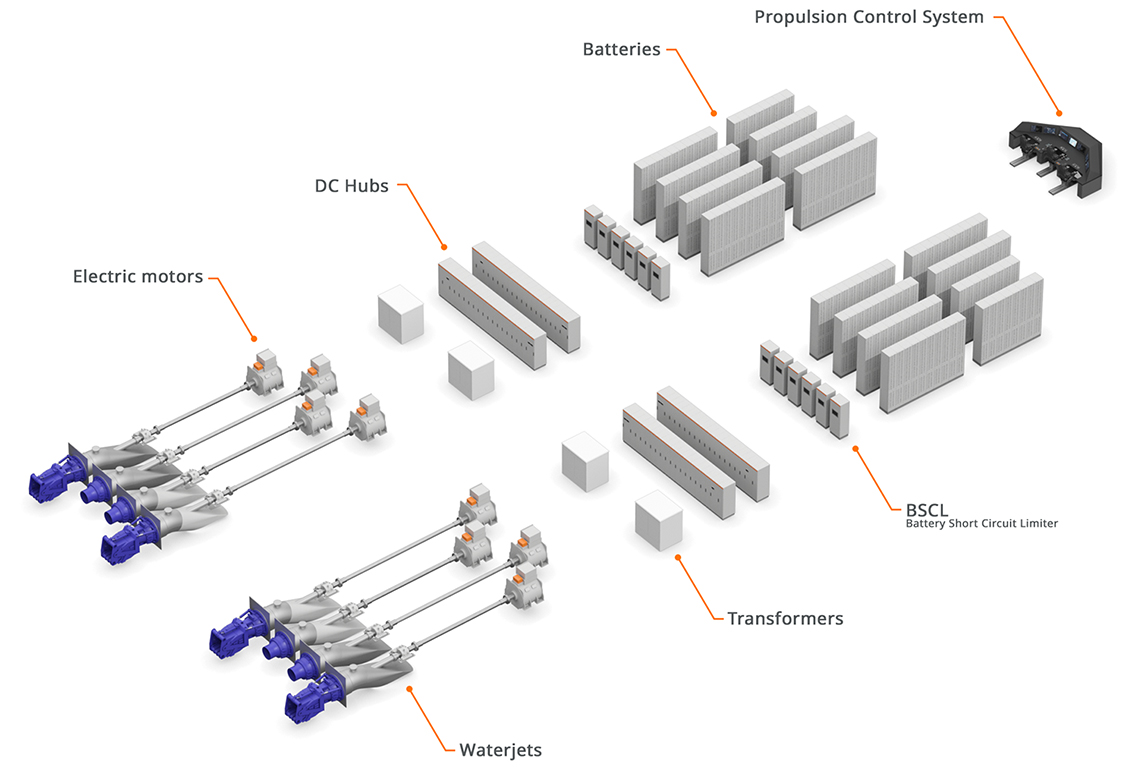
Technology group Wärtsilä has been selected to deliver a fully integrated electric propulsion system with waterjets for two new high-speed catamaran ferries being built for Danish ferry operator Molslinjen. The battery-electric vessels are being built at the Incat shipyard in Tasmania, with Wärtsilä supplying the integrated electric propulsion system, the DC power conversion system, its energy management and automation systems, eight electric propulsion motors and waterjets, as well as the Wärtsilä ProTouch propulsion control system for smooth and efficient sailing. The ferries will serve the Kattegat route, setting a milestone towards the green transition for ferry services and for Denmark as a whole.
“This is a major project that supports the ferry industry’s move towards more decarbonised operations. With these electric ferries built by Incat and powered by Wärtsilä's electrification technology, we aim to remove thousands of tons of CO₂ emissions from Denmark’s climate footprint each year,” comments Kristian Durhuus, CEO, Molslinjen.
Ferries play a vital role in meeting the growing demand for more sustainable transport options, with ship electrification being a key solution for enabling the sector to transition towards net-zero emissions.
“Our partnership with Molslinjen and Incat not only brings electric vessels to the Kattegat route, but also continues our joint commitment in accelerating the industry's path towards net-zero emissions shipping. Wärtsilä's values and principles in shipping are deeply rooted in sustainability, innovation, and performance, and through our experience in vessel electrification, we have already delivered solutions for 150 hybrid-electric ships, with this number continuing to grow,” explains Roger Holm, President of Wärtsilä Marine & Executive Vice President at Wärtsilä Corporation.
The two ferries will each measure 129 meters in length and 30.5 meters in width, accommodating up to 1,483 passengers and 500 cars. The addition of these new vessels will increase total capacity for cars and passengers on the Kattegat route by more than 25 percent. The ships are expected to join the fleet in Denmark during 2027 and 2028.
“We’re not just building ships – we are building the future,” says Stephen Casey, CEO, Incat Tasmania. “Large-scale, low-emission transport solutions are not only possible, but are ready now. Incat Tasmania has always been at the forefront of innovating and pioneering new technology and design. The vessels address the market’s needs and requirements by utilising batteries, making this a very viable option for owners and operators looking to increase the sustainability of their fleets. Wärtsilä is a key player in the success of this project, supporting our goal of large-scale, low-emission transport with a completely integrated propulsion package.”
The eight electric driven waterjet configuration feature low weight, shallow draft operation, low maintenance and easy access, safety and reliability, as well as superb manoeuvrability as a result of its integrated steering and reversing with quick response times. The waterjets have been designed for the highest overall propulsion efficiency. As the power is divided over more jets, the power density is lower, which means a higher efficiency. The Wärtsilä equipment is scheduled for delivery to the yard commencing in 2026.
Media contact for more information on this release:
Isabella Alder
Positioning and Strategic Communications Manager Wärtsilä Marine
Tel: +44 (0) 7792 681 757
marine.media@wartsila.com
Image caption: Wärtsilä will deliver a fully integrated electric propulsion system with waterjets for two new high-speed catamaran ferries being built by Incat Tasmania for Danish ferry operator Molslinjen © Incat Tasmania
All Wärtsilä releases are available at www.wartsila.com/media/news-releases and at news.cision.com/wartsila-corporation where also the images can be downloaded.
Use of the image(s) is allowed only in connection with the contents of this press release. Wärtsilä images are available at www.wartsila.com/media/image-bank.
Wärtsilä Marine in brief
Wärtsilä Marine is a global pioneer in power, propulsion and lifecycle solutions for the marine market. We develop industry-leading technologies, advancing maritime's transition to new fuels. We support building an end-to-end digital ecosystem where all vessels and ports are connected. Ultimately, Wärtsilä Marine is driving the shipping industry forward on its journey towards a decarbonised and sustainable future through our broad portfolio of engines, propulsion systems, hybrid technology, exhaust treatment, shaft line solutions and digital technologies, as well as integrated powertrain systems. Our offering, which is underpinned by our performance-based agreements, upgrades, lifecycle solutions, decarbonisation services, as well as an unrivalled global network of maritime expertise, delivers the efficiency, reliability, safety, and environmental performance needed to support a safe and sustainable future for our customers, our communities and our planet.
www.wartsila.com/marine
Wärtsilä in brief
Wärtsilä is a global leader in innovative technologies and lifecycle solutions for the marine and energy markets. We emphasise innovation in sustainable technology and services to help our customers continuously improve their environmental and economic performance. Our dedicated and passionate team of 18,300 professionals in more than 230 locations in 77 countries is shaping the decarbonisation of our industries across the globe. In 2024, Wärtsilä’s net sales totalled EUR 6.4 billion. Wärtsilä is listed on Nasdaq Helsinki.
www.wartsila.com
Take your easiest step on your journey to ship electrification - get in touch and let’s discuss your needs and options!