A service agreement with Wärtsilä – a Lifecycle Agreement – helps you manage your vessel’s maintenance, uptime, and performance with a structured long-term approach.
Wärtsilä Lifecycle Agreements can support ship owners and operators who want to improve their vessels’ reliability while optimising and controlling costs. This support also helps owners and operators make smarter decisions for long-term profitability.
What it is:
A tailored service agreement that defines how Wärtsilä supports your vessels throughout their lifecycle.
Why it matters:
Helps you improve the vessel’s efficiency and reliability, reduce downtime, and keep maintenance costs predictable over time.
How it works:
The scope is agreed around the customer’s operational needs and can combine expert support, digital services, predictive maintenance, and maintenance planning.
Where it applies:
For ship owners and operators who want to manage vessel performance, maintenance, and costs with a structured, long-term approach.
Exploring service agreements?
You may also be interested in:
Unplanned maintenance and downtime have a direct impact on vessel performance and profitability. Even a single disruption can affect schedules, increase costs, and reduce revenue.
At the same time, cost control has become more critical. Ship owners and operators need better visibility and more predictable maintenance spending to plan operations with confidence.
Efficiency and emissions performance are also no longer driven by technology alone. Day-to-day maintenance choices and operational decisions now play a key role in how vessels perform over time.
For decision-makers, the key question is how to manage operating costs, risk, and asset performance over the full vessel lifecycle. Total cost of ownership is mainly shaped by maintenance strategy, unplanned downtime, fuel efficiency, and the ability to predict costs accurately.
This means your approach to lifecycle management directly affects both profitability and operational reliability. Wärtsilä Lifecycle Agreements can help you make costs more predictable, reduce operational risk, and manage performance more effectively over time.
With a Lifecycle Agreement, you move from reactive maintenance to a more structured way of managing vessel performance. This helps you reduce downtime risk, stabilise maintenance costs, and benefit from ongoing expert support throughout the lifecycle.
Over time, it gives you better control of both operational performance and the way your costs develop. It also gives you access to specialist expertise without having to build or maintain all capabilities in-house.
More than 90% of customers with a Wärtsilä Lifecycle Agreement renew their agreement, reflecting the operational value, specialist support, and confidence they gain over time.
A Lifecycle Agreement can shape how your vessels perform and how your costs develop over time, delivering the following outcomes:
Want to explore a specific outcome? Continue reading or speak with a Wärtsilä expert about your priorities.
Keeping your vessels available and performing as expected is critical to your operations. Unplanned downtime and delayed interventions can disrupt schedules, increase costs, and affect revenue. A Lifecycle Agreement helps you reduce this risk by supporting more predictable performance and faster response when issues arise.
It also provides a more proactive way of managing maintenance and technical support. Potential issues can be identified earlier, support is available faster when needed, and maintenance can be better coordinated across the lifecycle. Over time, this helps improve reliability and reduce the risk of unexpected events.
For decision-makers, downtime is not only an operational problem; it is also a cost and revenue risk. Reducing disruption and restoring normal operations faster helps protect both vessel performance and the total cost of ownership.
These challenges can be addressed by identifying issues earlier, improving response times, and coordinating maintenance more effectively. With a Wärtsilä Lifecycle Agreement, you gain continuous visibility of asset condition and faster access to expert support when it is needed.
Identify issues before they cause downtime: Predictive maintenance and monitoring help detect early signs of failure. Wärtsilä's AI-supported monitoring and maintenance services are used on around 900 vessels across multiple vessel types and operating environments worldwide.
Resolve problems faster with remote support: When connectivity is in place, experts can diagnose and resolve issues without waiting for onboard visits.
Reduce coordination effort for your crew: A Lifecycle Agreement can help manage maintenance planning, spare parts, and workforce coordination more effectively, allowing your teams to stay focused on operations.
90% of issues can be solved over a remote connection
80% are resolved within 24 hours
Reducing downtime is not only an operational benefit. It can also help avoid lost revenue, emergency repairs, and operational disruption. This white paper explains how operators have combined real-time data, AI diagnostics, and human expertise to reduce unscheduled maintenance by 25% on average.
Managing maintenance costs is not only about reducing spend, but about understanding how those costs develop over time. Without a structured approach, costs can vary significantly and make planning more difficult. A Lifecycle Agreement helps you bring more predictability into maintenance planning and budgeting, so you can make decisions with greater confidence.
It also enables a more structured and data-driven approach to maintenance planning. Maintenance intervals, scope, and costs can be planned more consistently, based on actual asset condition and operational profile. Over time, this helps reduce cost variability and supports more accurate budgeting across the lifecycle.

This matters financially because the total cost of ownership is shaped not only by how much maintenance costs, but also by how predictable those costs are and how well they are timed. Better planning helps reduce uncertainty, avoid reactive spend, and support more confident lifecycle decisions.
These challenges can be addressed by taking a more structured and data-driven approach to maintenance planning. With a Lifecycle Agreement, the scope, timing and cost of maintenance can be planned more consistently, giving you better visibility and control over how costs develop over time.
Plan maintenance around actual needs: Maintenance timing and scope can be aligned more closely with asset condition and operating profile, rather than relying on fixed intervals alone.
Make costs easier to forecast: Long-term service planning and agreed cost structures support more predictable budgeting across inspection, servicing, and spare parts.
Use resources more efficiently: Maintenance activities, workforce planning, and spare parts planning can be coordinated more effectively, helping you balance cost, performance, and risk.
Vessel efficiency and emissions performance are increasingly shaped by how assets are operated and maintained. Small improvements in daily operations can add up over time and have a meaningful impact on fuel use and compliance. A Lifecycle Agreement helps you take a more structured approach to performance, supporting efficiency and long-term asset value.
It also enables closer monitoring and continuous optimisation of asset performance. Operational data, combined with technical expertise, helps identify improvement opportunities in areas such as fuel efficiency, emissions, and overall system performance. Over time, this supports more consistent performance across the vessel lifecycle.
For decision-makers, efficiency and emissions performance also affect the total cost of ownership. Fuel use, compliance pressure, asset value, and long-term performance all have financial implications, so even small operational improvements can add up to meaningful lifecycle value.
These challenges can be addressed by combining continuous performance monitoring with a structured approach to maintenance and optimisation. With a Lifecycle Agreement, performance targets such as efficiency, fuel consumption, and emissions can be supported over time based on actual operating data.
Monitor real operating performance: Performance monitoring and analytics help identify deviations, inefficiencies, and optimisation opportunities that may otherwise go unnoticed.
Optimise vessel performance using operational data: Advanced analytics help identify opportunities to improve fuel efficiency, emissions performance, and operational practices.
Improve efficiency through maintenance and optimisation: Maintenance quality, asset condition, and operating practices all influence fuel use and emissions performance over time.
Support compliance while protecting performance: Maintenance and optimisation activities can be aligned with emissions targets and reporting needs while helping vessels maintain operational performance.

Reduced downtime and fewer disruptions
Keep your vessels running reliably with less unplanned downtime and faster response when issues occur.

More predictable maintenance cost
Move from reactive spending to planned, more stable maintenance costs across the lifecycle.

Better efficiency and lifecycle performance
Improve fuel efficiency, emissions performance, and long-term asset value through continuous optimisation.
Every Wärtsilä Lifecycle Agreement is tailored to your vessel, operations, and business priorities. Depending on the scope, the agreement brings together a combination of services, digital tools, and expert support to help you manage performance across the lifecycle.
Instead of a fixed package, you can build the right level of support based on your needs - from targeted support in specific areas to a more comprehensive lifecycle partnership.
Predictive maintenance and monitoring
Continuous monitoring and analytics help identify potential issues early, based on actual operating data. This allows maintenance to be planned ahead of failures, reducing the risk of unplanned downtime and improving asset reliability.
Performance optimisation
Operational analytics and expert guidance help identify opportunities to improve fuel consumption, emissions performance, and overall vessel efficiency. Fleet Optimisation Solution (FOS) turns vessel data into actionable insights that support continuous performance improvement across the fleet.
Remote operational support
When issues arise, remote support provides fast access to Wärtsilä expertise without waiting for onboard visits. Many technical issues can be diagnosed and resolved remotely, helping restore operations faster and reducing operational disruption.
Data-driven maintenance planning
Maintenance planning is aligned with asset condition and operating profile, rather than fixed intervals alone. This helps optimise maintenance scope and timing, improving cost predictability while supporting performance and reliability.
Outcome-based service agreements
For customers seeking a higher level of collaboration, a Lifecycle Agreement can include shared performance targets and long-term service planning. This supports continuous improvement across uptime, cost, and efficiency over the vessel lifecycle.
Learn more from article: How to get more ship uptime, save fuel or cut emissions – guaranteed
Wärtsilä Lifecycle Agreements are designed for companies seeking more predictable performance, cost control, and long-term support across their vessel operations.
They deliver value across the organisation, particularly in situations like these:
Service agreements are often considered after the warranty period, but this can limit their impact. Considering lifecycle management already at the newbuild stage can help you align performance, maintenance, and cost from day one.
Learn why lifecycle thinking should start earlier in newbuild projects
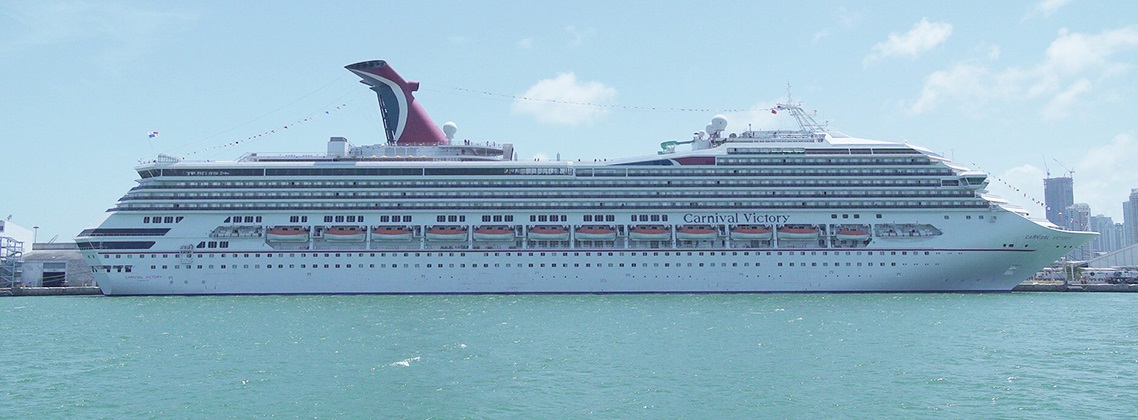
Explore these resources to better understand and evaluate lifecycle agreements in practice.
What could be the true cost of a single day’s delay? See how even a short disruption can impact operations, revenue, and customer experience—and how these risks can be reduced.
5 surprising steps to get ahead of your competition – with a Lifecycle Agreement: A visual overview of how lifecycle agreements help improve uptime, cost predictability, and operational performance.
White paper: Could AI and data help reduce downtime? The best answers from real vessels - Learn what changes when data, AI and human expertise work together – backed by real vessel results.
White paper: How a service agreement could give your maritime business a competitive edge Learn the key indicators that a Lifecycle Agreement could benefit your operations and how to achieve long-term performance improvements.
Webinar: Three simple ways that data and AI can save you money in vessel operations Understand how data-driven insights can support smarter maintenance decisions, improved efficiency, and cost control.
Every vessel and operation is different, and the right lifecycle agreement starts from your priorities. Whether your focus is uptime, cost predictability, or long-term performance, Wärtsilä can help you define the right level of support. Get in touch to discuss your situation and explore how a lifecycle agreement could work in practice.
Parts of this page have been written with the help of AI. Wärtsilä experts have checked and verified the contents.