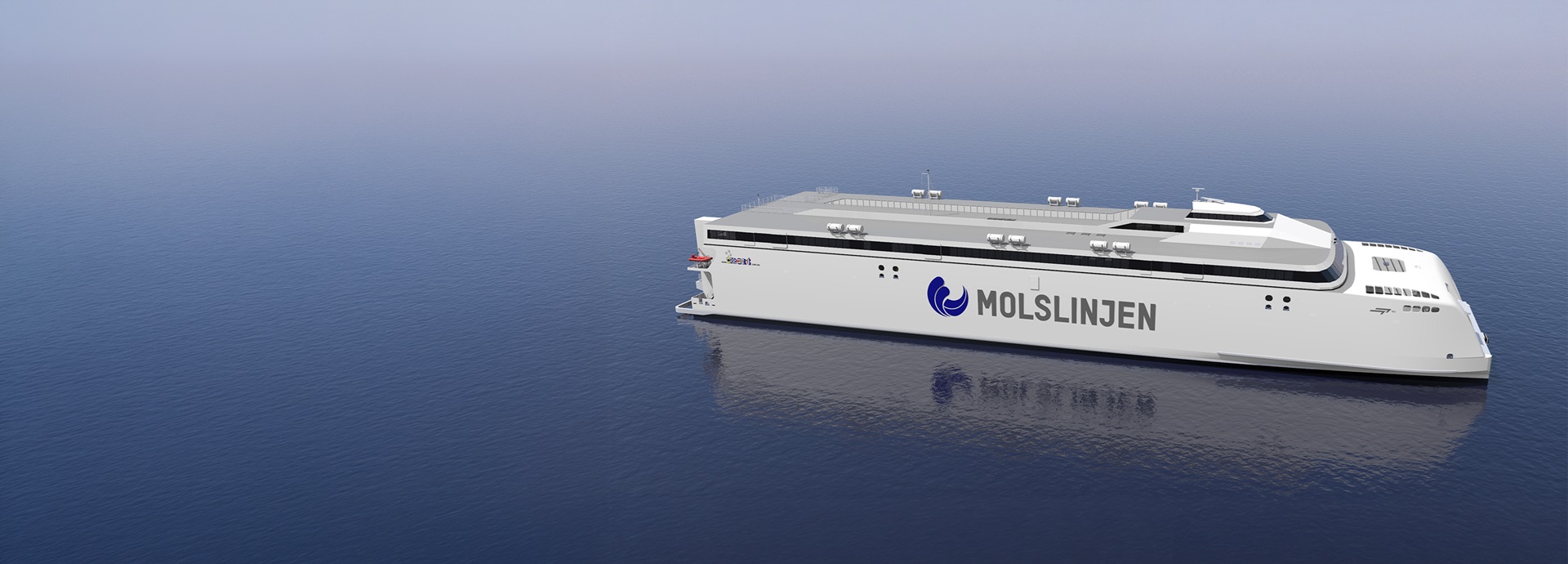
Danish ferry operator Molslinjen is introducing fully electric fast ferries to reduce CO₂ emissions from its operations. When all vessels are in service, the project could cut emissions by up to 132,000 tons annually while maintaining fast, reliable ferry operations.
The ferries will serve the Aarhus–Odden and Ebeltoft–Odden routes and are being built at the Incat shipyard in Tasmania. Electrification is a key solution for enabling Molslinjen to transition towards net-zero emissions.
Molslinjen needs to reduce emissions because of fast-approaching compliance deadlines. For example, with the IMO target to reduce emissions from shipping by at least 20% by 2030 there is no time to waste. The company must decarbonise while staying profitable and reliable. Ship electrification with batteries allows Molslinjen to take significant steps towards zero-emission operations.
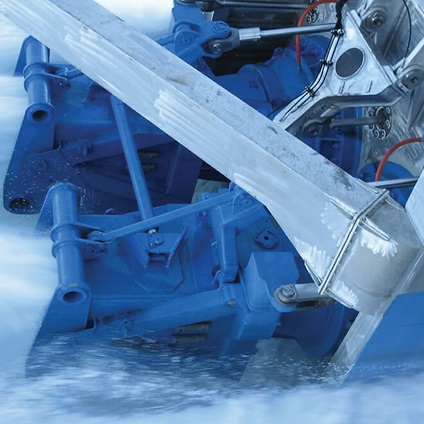
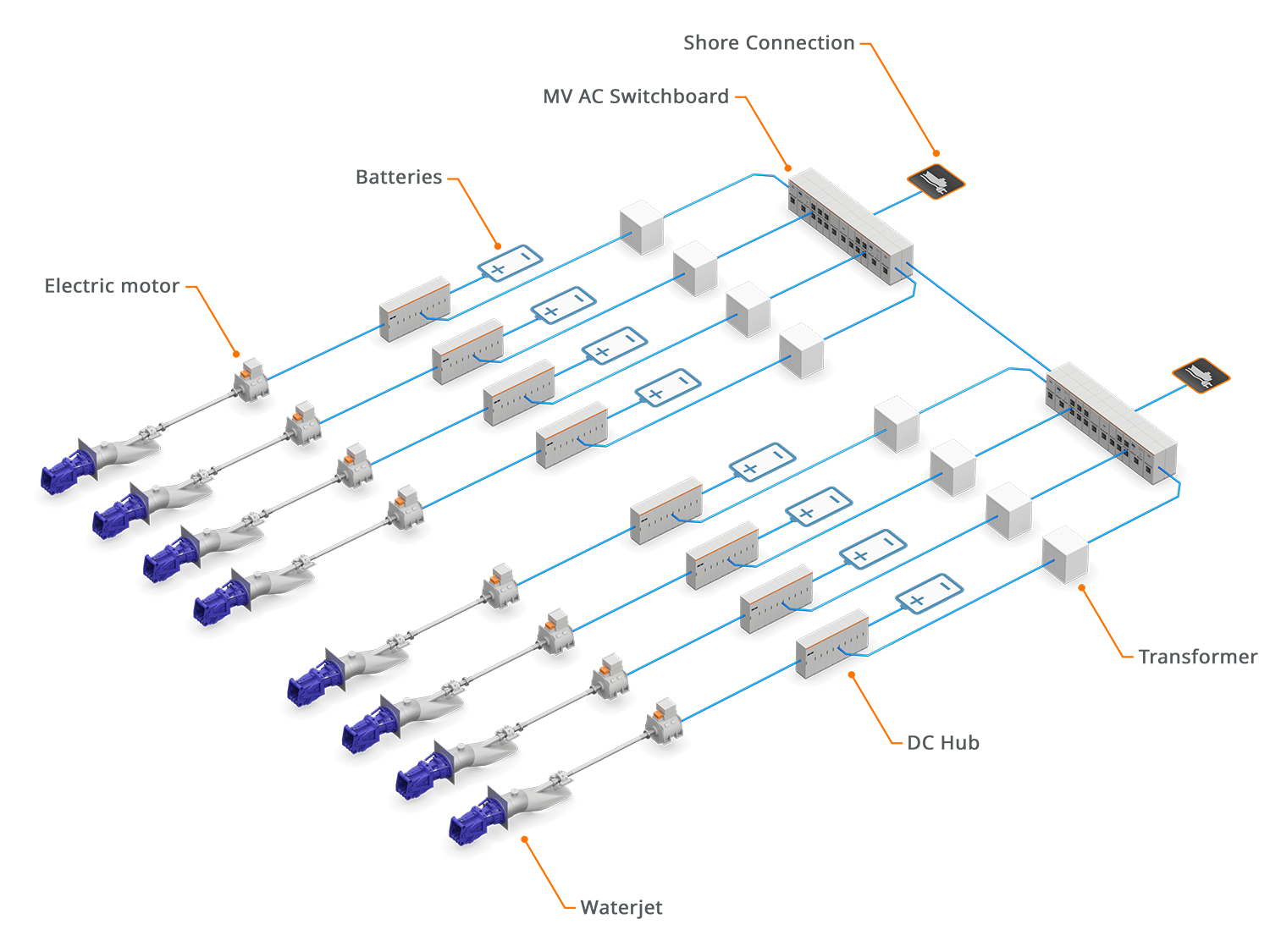
Each vessel will have a total propulsion power of 52 MW, making them the fastest and most powerful electric ships to date. The vessels’ configuration also includes eight electrically driven low-weight waterjets with integrated steering and reversing functions. The waterjets allow shallow draft operation, enable accurate and responsive manoeuvrability and minimise maintenance needs.
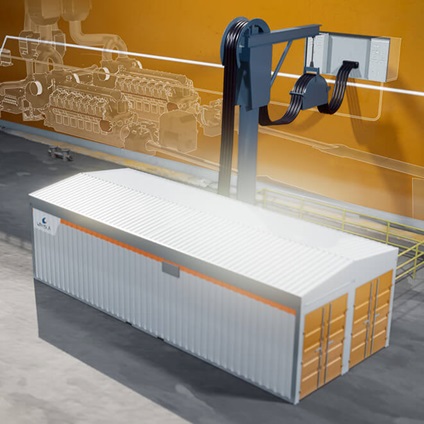
The catamarans will be equipped with 54 MWh lithium iron phosphate (LFP) battery systems, enabling top speeds exceeding 40 knots. These packs will be recharged in port using a 55 MW high-capacity charging system that can recharge the batteries in around 30 minutes, enabling rapid vessel turnaround. This requires medium-voltage shore power infrastructure both on land and onboard the vessels.
Scope of the Wärtsilä solution
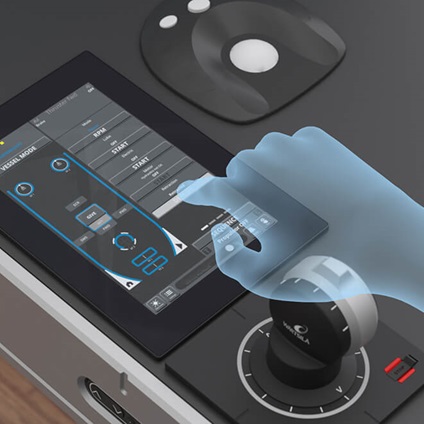
Molslinjen selected Wärtsilä to implement fully electric propulsion for all three newbuild vessels. The scope of supply includes the battery systems, waterjets, the DC power conversion system, the energy management and automation systems and eight electric propulsion motors. In addition, the vessels will feature the Wärtsilä ProTouch remote propulsion control system.
The fully electric propulsion system with properly configured waterjets offers high propulsive efficiency and divides the available power over multiple jets, lowering the power density and improving efficiency.
Molslinjen is demonstrating that high-speed ferry routes can be electrified without compromising operational performance or service reliability.
The project also shows that fully electric propulsion is becoming a viable and scalable option for fast-ferry operations using proven technology available today.
“Our commitment is to have fully sustainable ferry operations, and this is a major project that supports the ferry industry’s move towards more decarbonised operations. With these electric ferries we aim to remove thousands of tons of CO₂ emissions from Denmark’s climate footprint each year.”
Carsten Jensen, CEO, Molslinjen
To learn more about how Molslinjen is decarbonising its high-speed ferry operations with fully electric propulsion, watch the video.