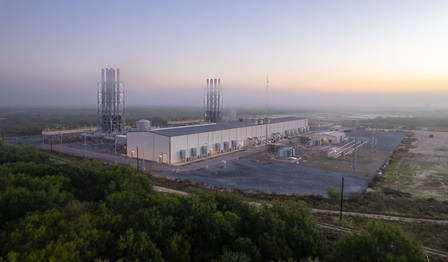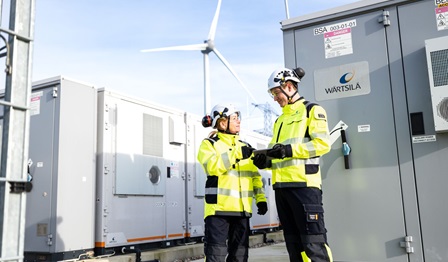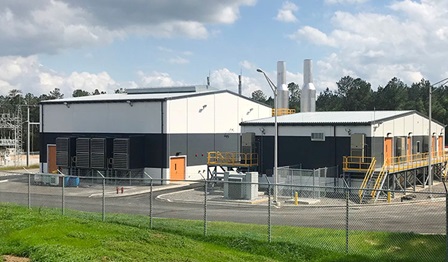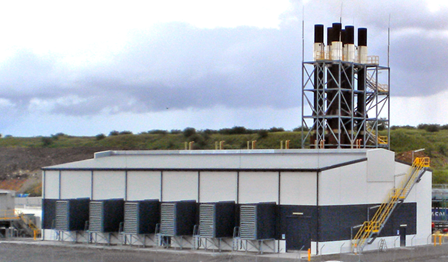
Wärtsilä Energy is at the forefront of the transition towards a 100% renewable energy future. We help our customers and the power sector to accelerate their decarbonisation journeys through our market-leading technologies and power system expertise.
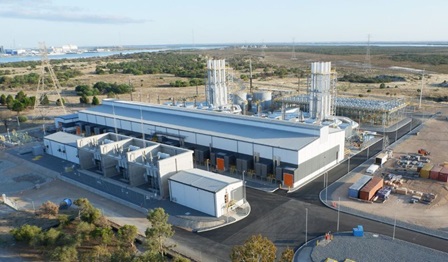
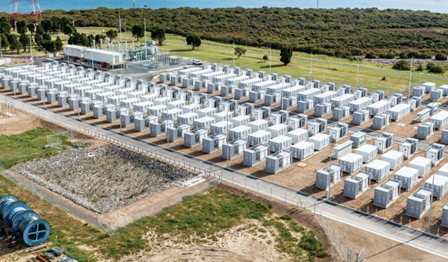
Our solutions include flexible engine power plants, energy storage and optimisation technology, and services for the whole lifecycle of our installations. Our engines are future-proof and can run on sustainable fuels.
Our track record comprises 79 GW of power plant capacity and over 130 energy storage systems in 180 countries around the world. Over 30% of our operating installed base is under service agreements.
of power plant capacity installed.
energy storage installations delivered.
of operating installed base under service agreements.
With a deep understanding of the energy transition and power systems, we can help our customers find their optimal and most efficient path towards 100% renewable energy, while balancing and future-proofing their power systems as demanded by the flexible grids of the future.
Our offering consists of a wide range of flexible solutions that provide optimised and reliable energy. We enable the transition to renewable energy with flexible engine power plants and energy storage technology.
We support our customers over the lifecycle of their installations ensuring performance and competitiveness in a safe, reliable and sustainable way.
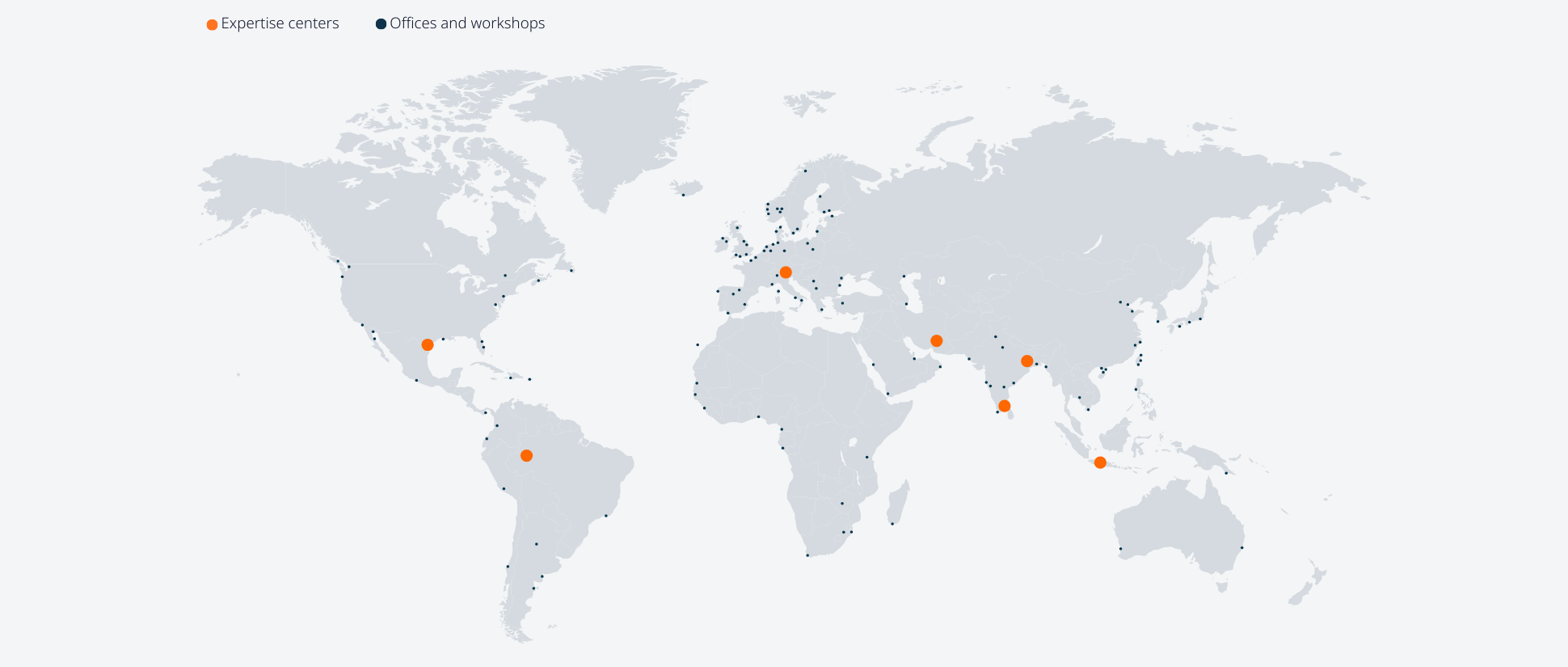
Supporting our customers globally is at the heart of Wärtsilä Energy's mission. We have established a robust geographical presence, with operations spanning over 70 countries worldwide.
Our strategic locations enable us to deliver innovative energy solutions tailored to the unique needs of each region. From Europe to Asia, Africa to the Americas, we are committed to driving the transition towards a 100% renewable energy future.
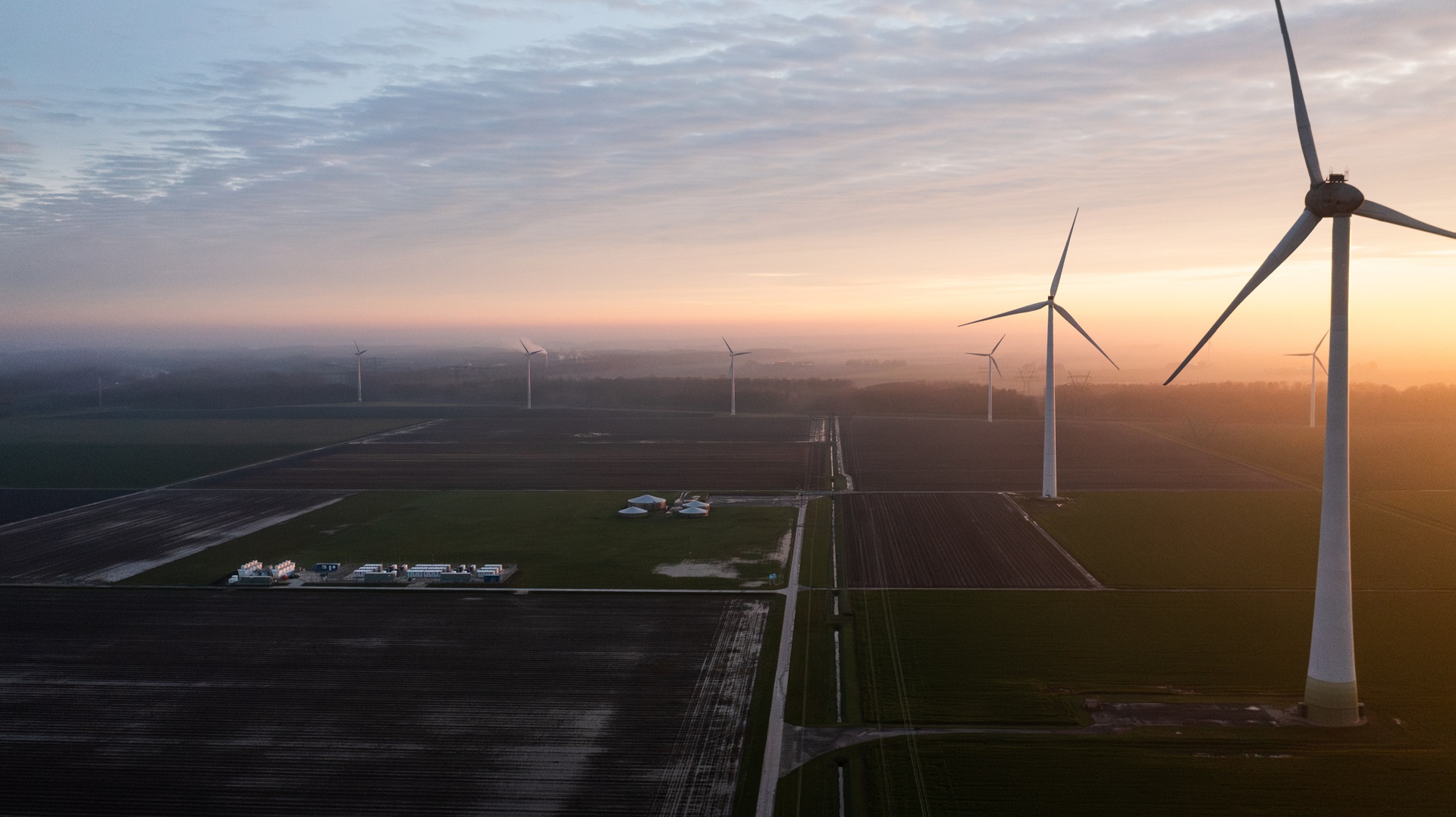
Tomorrow’s energy landscape is being reshaped by new technologies and regulation in unforeseen ways.
Decarbonising our industry is not something we can achieve overnight.
We believe that finding visionary partners with the most inspiring innovations is crucial in making it happen.
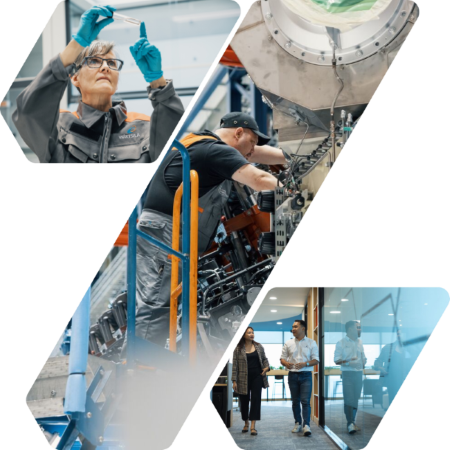
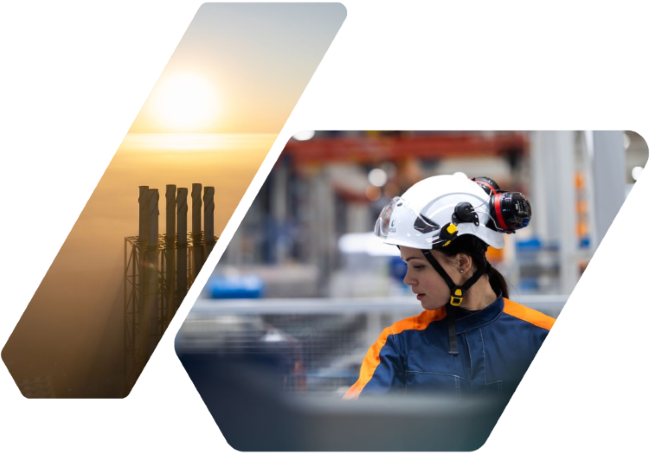
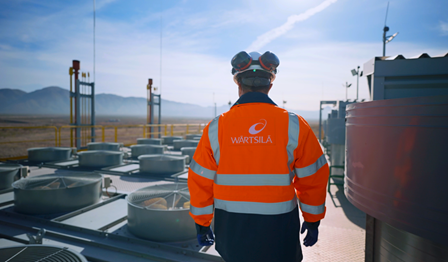
We are a global team of over 18,300 Wärtsilians in 77 countries across all seven continents.
We represent 128 different nationalities, and vary also in our fields of expertise; we have roles from underwater divers to cloud and machine learning developers and from assembly line workers to future fuel researchers, quality experts, and beyond.
While our skills and backgrounds are diverse, we are glued together by the impact we make and through our purpose: we enable sustainable societies through innovation in technology and services.
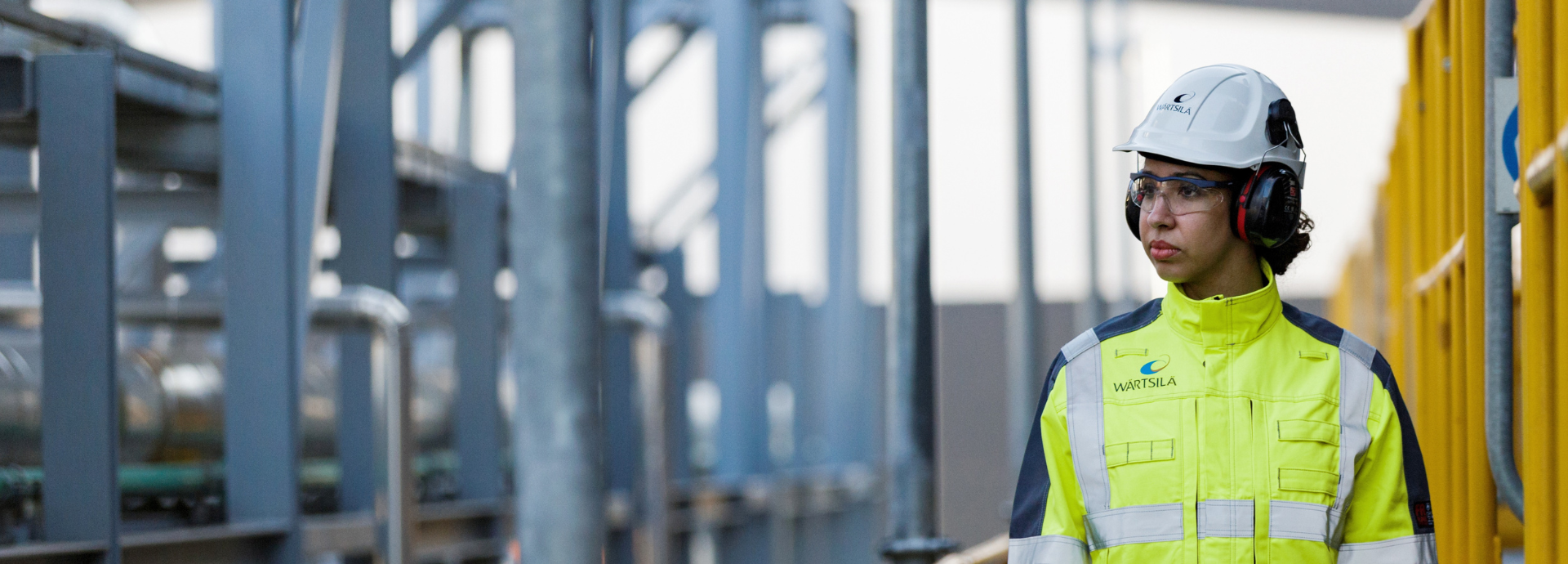
The European Commission needs to reform its electricity market design to place a value on flexible balancing power capacity for the EU to achieve its net zero targets and improve energy security, according to a new study from the technology group Wärtsilä.
With the European Commission having engaged in a public consultation for the electricity market design, Wärtsilä has today published Energy Market Redesign: For a Decarbonised Europe. The new study outlines the critical measures which must be introduced to attract investments into flexible balancing power capacity and deliver an affordable and reliable transition to net zero power systems.
Europe will require at least 1,100 GW of renewable capacity by 2030 to continue its decarbonisation journey and ensure energy security. However, for a renewable-based system of this scale to run reliably, it must be supported by 19 GW of new flexible gas capacity and 50 GW of energy storage to deliver power at times of low generation, according to Wärtsilä’s modelling. To enable 100% renewable energy systems, the grid balancing gas engines can be converted to run on sustainable fuels such as hydrogen, when these become readily available.
Håkan Agnevall, President & CEO of Wärtsilä, said: “We stand at the precipice of a transformational shift in European electricity systems, as wind and solar become the dominant power source to achieve net zero. However, the transition cannot be delivered by renewables alone. For the EU to continue to benefit from the competitive cost of renewable energy, we urgently need market reform to ensure security of supply and to give clear market signals to investors to encourage much greater investment in flexible balancing power technologies.”
The inherent variability of renewables means the capacity supplied by a system powered by 1,100 GW of wind and solar could vary by as much as 500 GW over the course of a year, as shown by Wärtsilä’s internal analysis based on PLEXOS modelling. Flexible balancing power capacity is urgently needed to plug the supply gap during these periods of imbalance.
Wärtsilä conducted a model of EU power systems which demonstrates that balancing technologies like reciprocating engines and energy storage will play a crucial role in the EU power system, accounting for 19% share of electricity generation by 2030. The study found that these technologies will need to operate for a few hours each day to ensure grid stability.
In essence, the design of the EU’s current incentives for investment in flexible balancing power capacity risk undermining investment, causing a major bottleneck in the energy transition. Wärtsilä’s modelling shows that the investment case for flexible balancing power capacity could become even more challenging in the future without the right market pricing mechanisms for balancing power.
The study includes a number of key recommendations for market reform, including calls for the European Commission to:
Media contact for more information on this release:
Isabelle Thibault-Ahlström
General Manager, Marketing & Communications
Wärtsilä Energy
Tel. +358 50 540 6620
Isabelle.thibault-ahlstrom@wartsila.com
Image captions: Energy Market Redesign: For a Decarbonised Europe © Wärtsilä Corporation
All Wärtsilä releases are available at https://www.wartsila.com/media/news-releases and at http://news.cision.com/wartsila-corporation where the images can also be downloaded.
Methodology
Wärtsilä’s modelling is based on techno-economic optimisation of Europe’s power system. Existing power plants are included with their technical properties and fuels to model their carbon emissions and ability to balance variable renewable generation. Wind and solar PV are modelled with their hourly generation profiles based on the weather conditions in the studied area. The detailed PLEXOS optimisation modelling uses a chronological approach, i.e., the variability and seasonality of renewable generation and load need to be balanced hour-by-hour in the model. Thus, the modelling accurately dimensions the required flexibility and storage capacity in the studied power system. To cost optimally meet the future demand and political targets, the modelling adds required technologies to the system. The available options include different renewable sources, such as wind and solar PV, along with balancing technologies from gas power plants to energy storage. The availability of natural gas in Europe accounts for both increased LNG imports and no imports of Russian gas. The renewable capacity addition takes into account the target set by European Commission in its RePowerEU policy plan.
Wärtsilä Energy in brief
Wärtsilä Energy leads the transition towards a 100% renewable energy future. We help our partners to accelerate their decarbonisation journeys through our market-leading technologies and power system modelling expertise. These cover decarbonisation services, future-fuel enabled balancing power plants, hybrid solutions, energy storage and optimisation technology, including the GEMS Digital Energy Platform. Wärtsilä Energy’s lifecycle services are designed to increase efficiency, promote reliability and guarantee operational performance. Our track record comprises 76 GW of power plant capacity and 110 energy storage systems delivered to 180 countries around the world.
https://www.wartsila.com/energy
Wärtsilä in brief
Wärtsilä is a global leader in innovative technologies and lifecycle solutions for the marine and energy markets. We emphasise innovation in sustainable technology and services to help our customers continuously improve their environmental and economic performance. Our dedicated and passionate team of 17,500 professionals in more than 240 locations in 79 countries shape the decarbonisation transformation of our industries across the globe. In 2022, Wärtsilä’s net sales totalled EUR 5.8 billion. Wärtsilä is listed on Nasdaq Helsinki.
www.wartsila.com