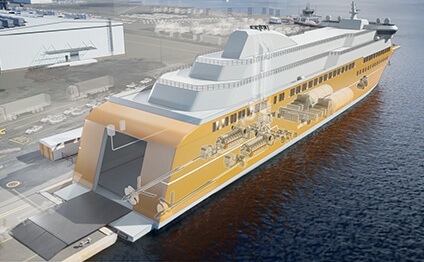
Wärtsilä delivers integrated hybrid solutions for small and medium gas carriers, helping owners achieve efficiency, compliance, and long-term flexibility. Our offering covers LNG, LPG, and multi-gas vessels, with a special focus on LNG bunkering vessels, a fast-growing segment in global shipping.
Whether you operate a regional LNG carrier, LNG bunkering vessel, or a multi-purpose gas transporter, Wärtsilä helps you cut operating costs, reduce emissions, and prepare for future fuels. Our modular approach combines the following into one optimised system:
One optimised system will help your vessel stay competitive for decades.
With Wärtsilä, you gain proven technology, lifecycle support, and the confidence that your ship meets today’s environmental rules and tomorrow’s challenges.
Explore Wärtsilä’s most trusted solutions for small and medium gas carriers. Each combines innovative technology with real-world performance to help you cut costs, reduce emissions, and stay future-ready.
To meet IMO and regional decarbonisation targets, Wärtsilä offers a fully integrated solution for small and medium gas carriers. It optimises efficiency and minimises emissions across all operating profiles.
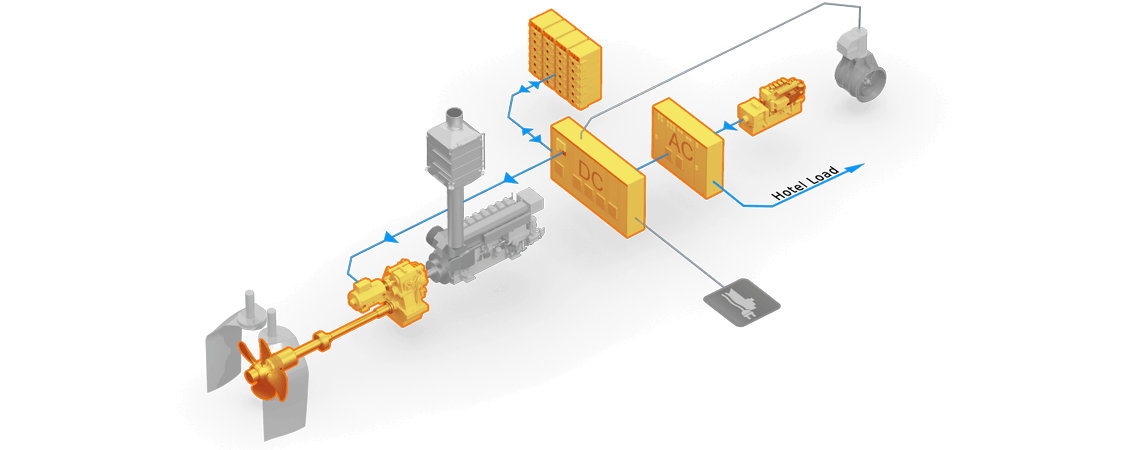
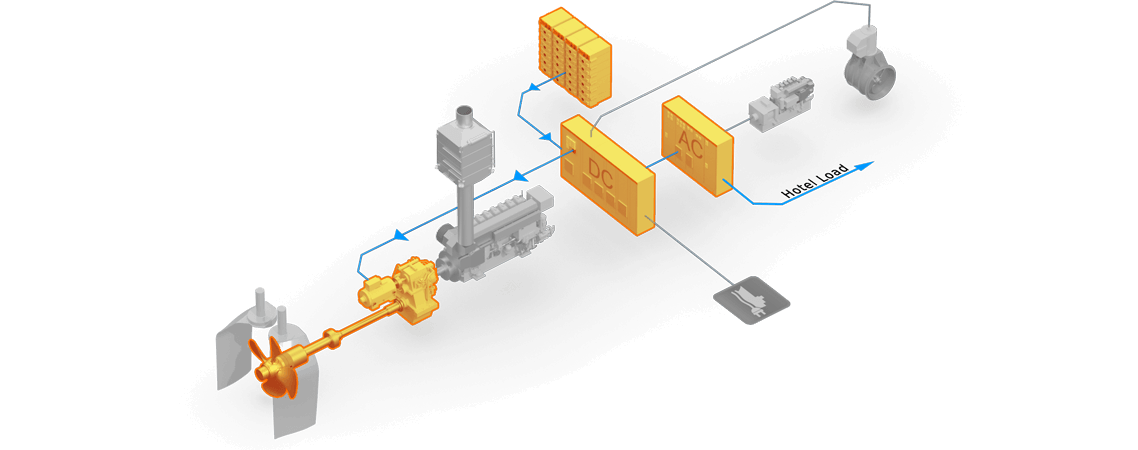
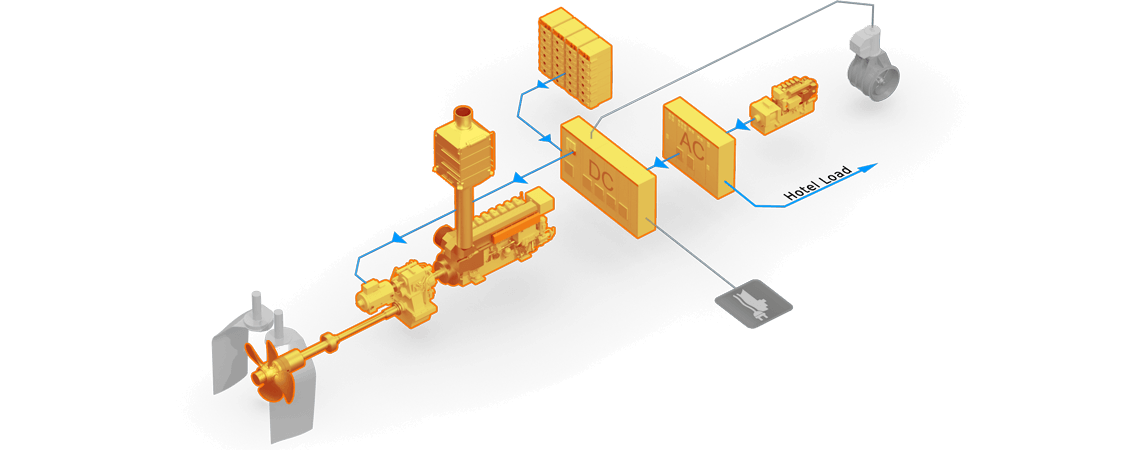
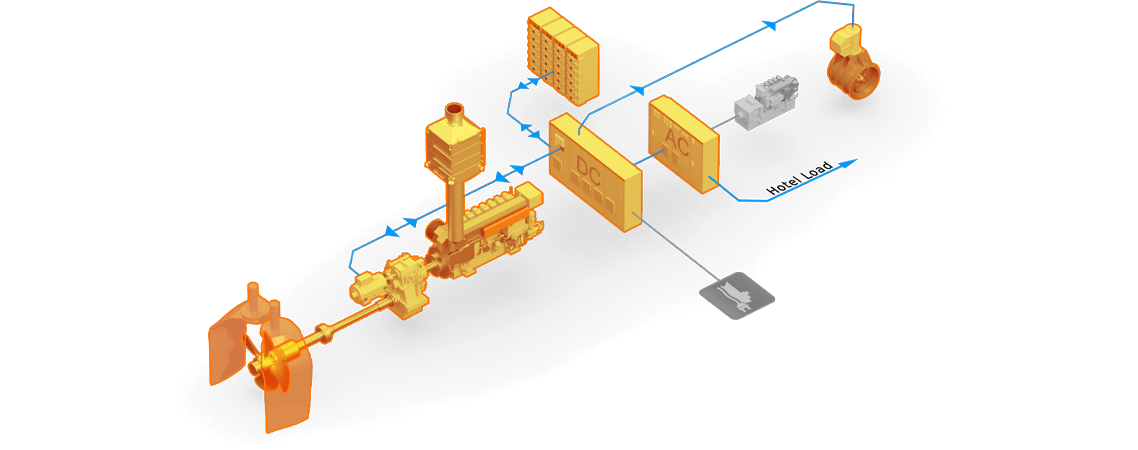
Wärtsilä’s hybrid system HY improves overall efficiency and reliability while reducing installed mechanical power. This helps you achieve a lower EEDI and stay compliant with current and future CII targets. Flexible propulsion means longer lifetime and lower emissions even under variable conditions.
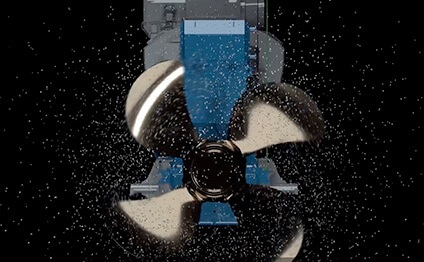
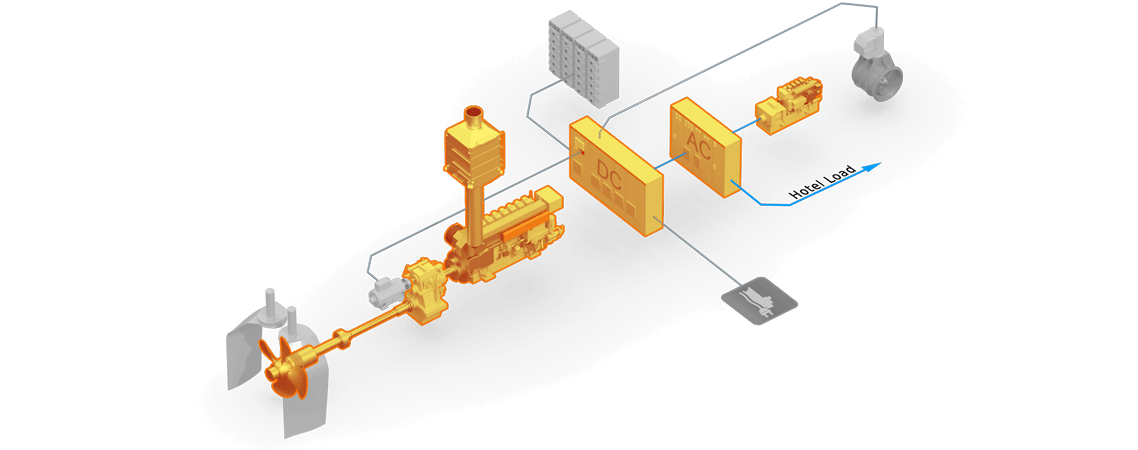
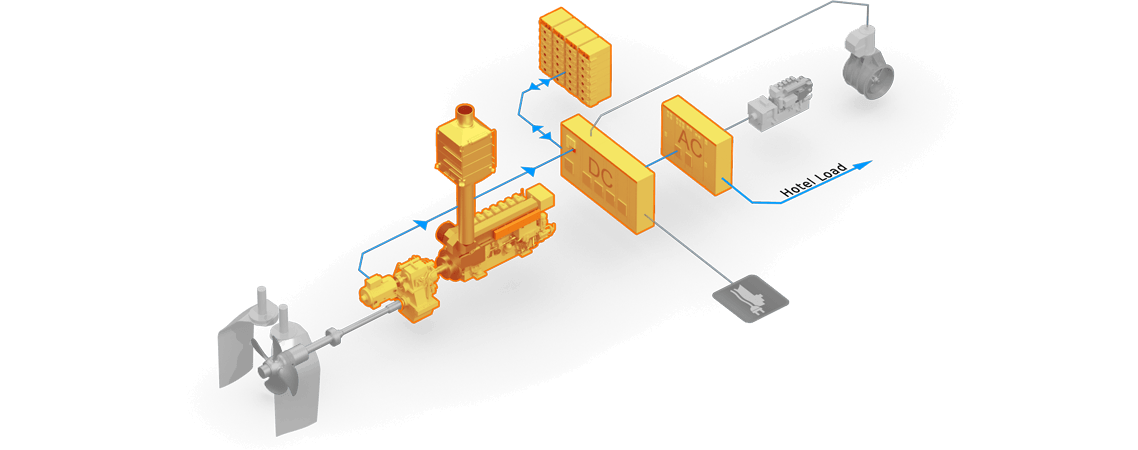
The main engine connects to a controllable pitch propeller CPP via a gearbox with PTO/PTI options. This set-up can adapt to energy efficiency rules and requires minimum power in harsh weather. Wärtsilä ProTouch™ makes control simple, while Gate Rudders and bow thrusters boost manoeuvrability and fuel economy.
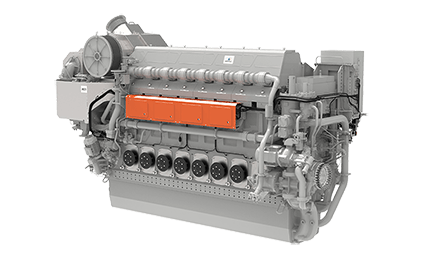
Wärtsilä’s 4-stroke medium-speed engine offers unmatched fuel flexibility—it can consume boil-off gas (BOG) directly. Our portfolio includes engines that are ready for future fuels such as ammonia or methanol. Advanced mountings reduce vibration and underwater noise, and exhaust aftertreatment options help you meet emissions regulations.
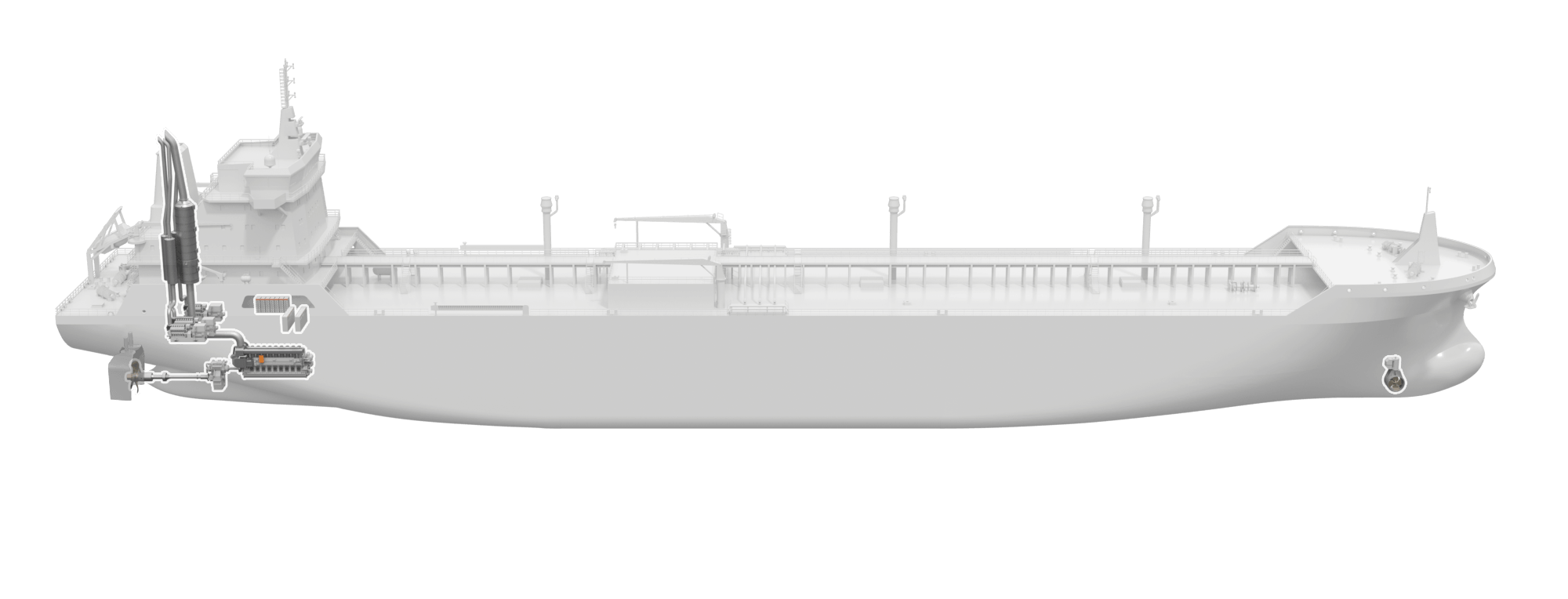
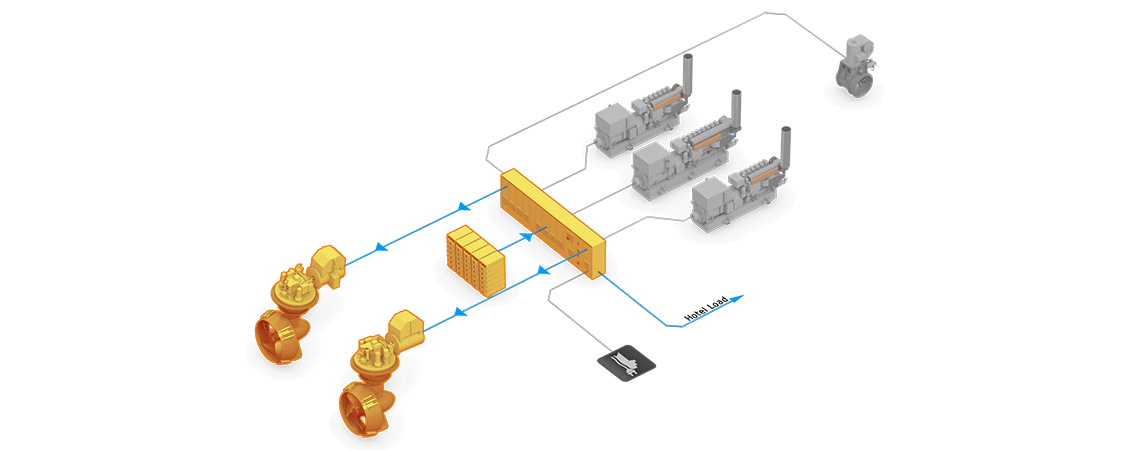
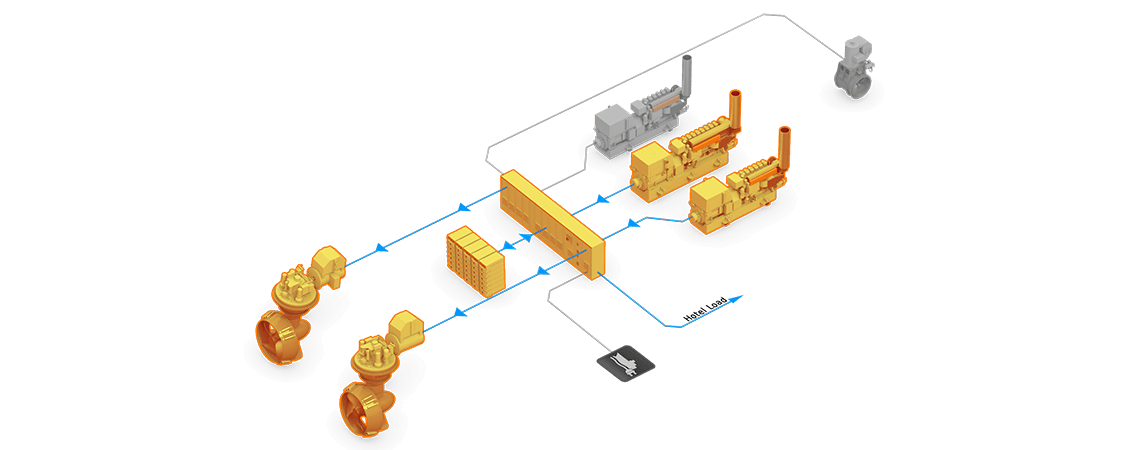
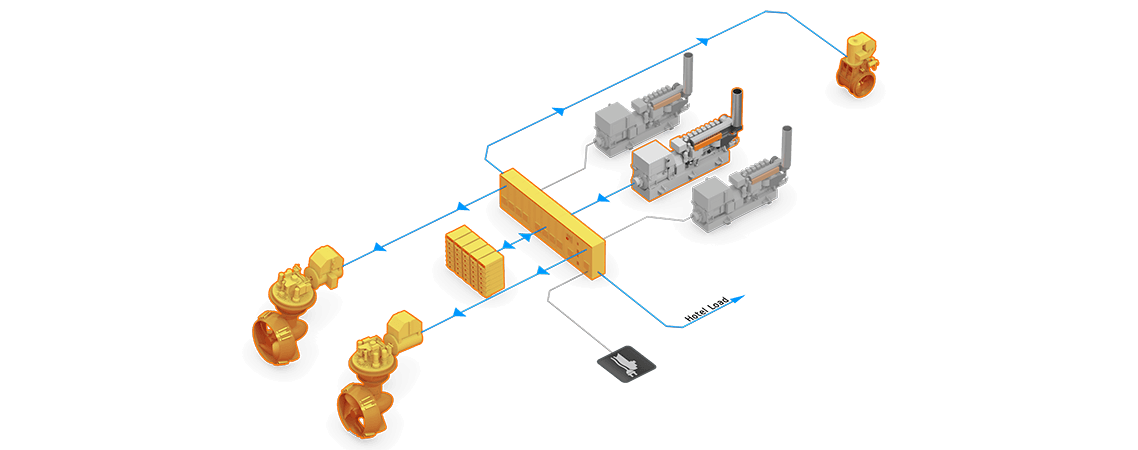
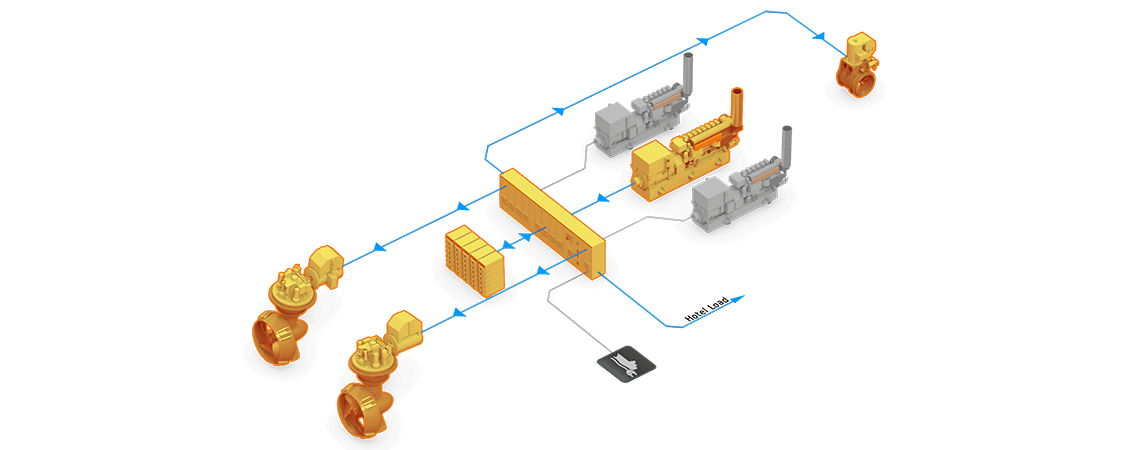
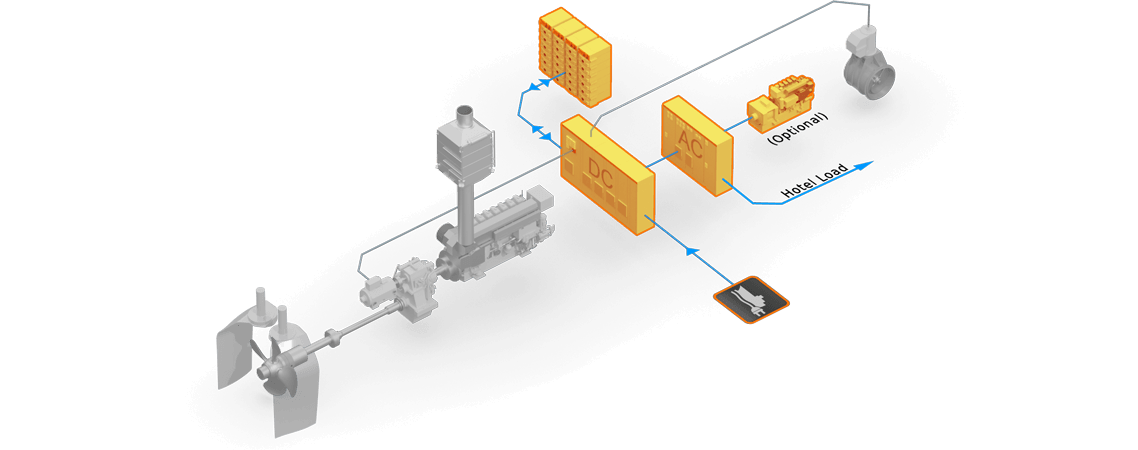
Power is managed through an AC system with a DC Hub. A variable-speed shaft generator provides efficient power during sailing and can drive the bow thruster without affecting propulsion. Shore connection in port and auxiliary gensets ensure backup power when needed.
Our solutions can adapt to multiple fuels, from conventional liquids and LNG to future fuels such as ammonia or methanol. Compact 4-stroke engines save space compared to 2-stroke designs, which gives you flexibility for future fuel storage requirements.
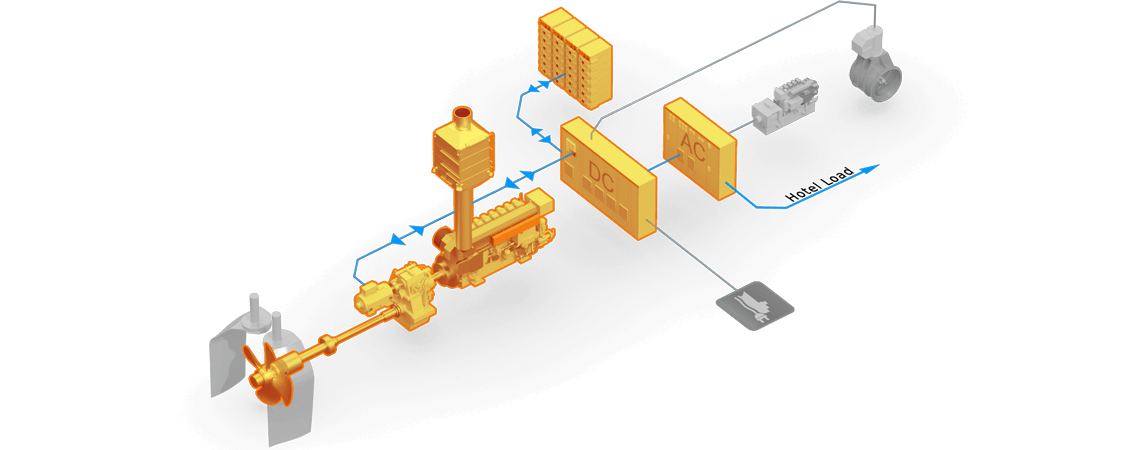
The Energy Storage System ESS connects to the DC Hub to enable hybrid functionality for propulsion and cargo handling. It supports spinning reserve, reduces genset running hours, and can be sized to your vessel’s operating profile. Thanks to the DC Hub, adding solar panels or fuel cells later is simple.
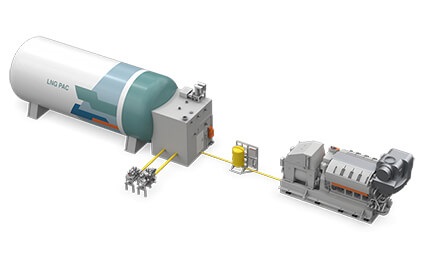
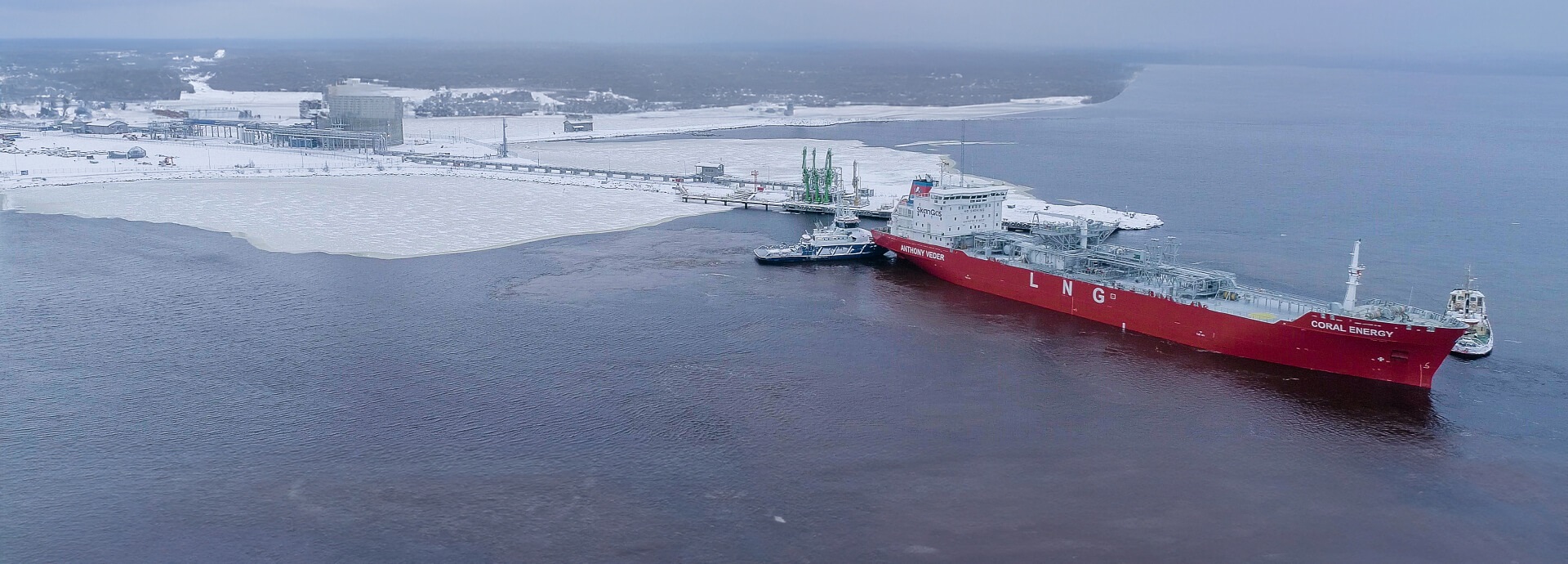
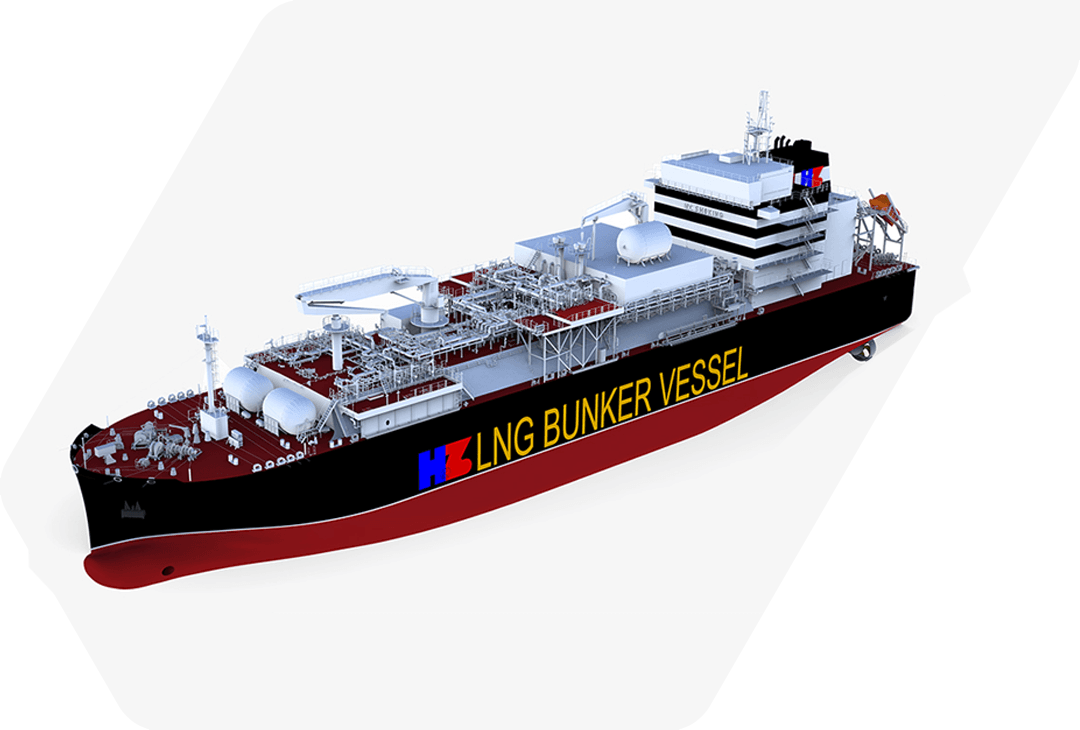
LNG bunkering vessels are essential for supplying cleaner fuel to ships. They spend much of their time in harbour or during ship-to-ship transfers, where efficiency and low emissions are critical. Wärtsilä’s integrated package combines hybrid-electric propulsion with advanced cargo handling and boil-off gas management to make these operations safe, sustainable, and cost-effective.
Our approach reduces fuel use, cuts methane slip, and ensures compliance with strict port regulations. It also gives you flexibility for future fuels, so your investment remains competitive for decades.

Integrated systems
Complete power system including engines, catalyst systems, propulsion, fuel supply system and energy saving devices.

Hybrid-electric propulsion
Dual-fuel engines with Energy Storage and Management for zero-emission port windows and smoother power profiles.

Future fuels
Modular design supports ammonia, methanol, and easy integration of fuel cells or solar power.
Gas carriers operate under very different conditions, from harbour manoeuvring to long-distance sailing. Because Wärtsilä’s integrated solutions are designed to optimise efficiency and reliability across operational modes, your vessel will perform economically and safely.
Small gas carrier DF-DE
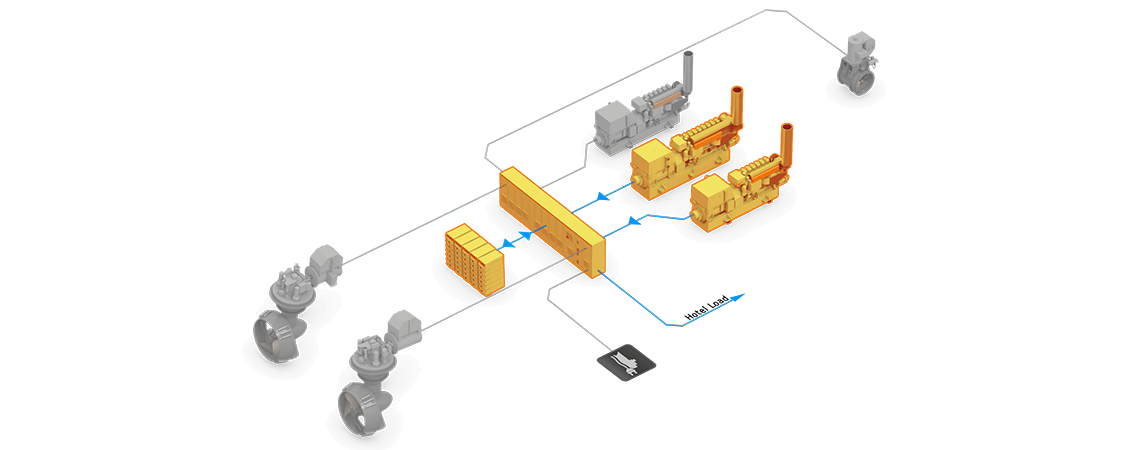
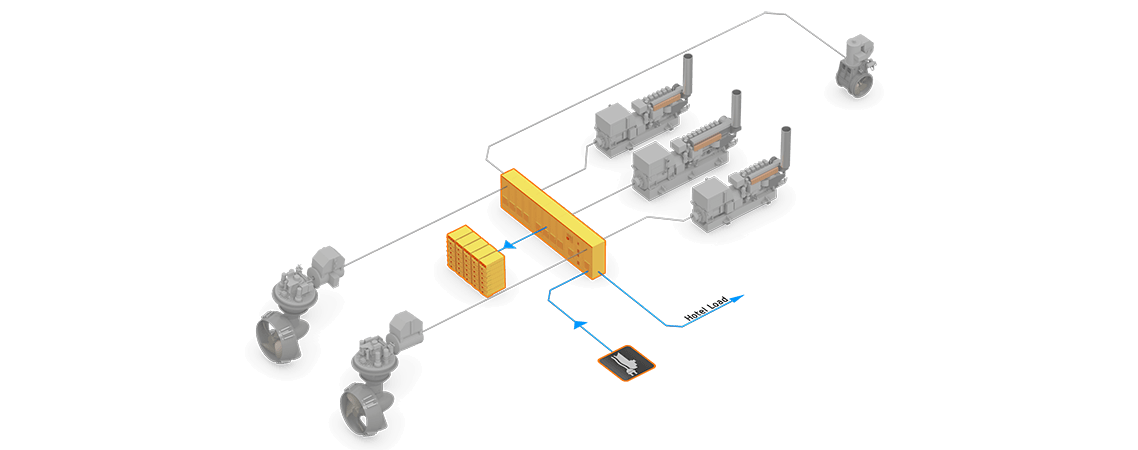
This setup uses multiple dual-fuel gensets to power propulsion and onboard systems. It offers flexibility for vessels that spend more time in port or short voyages. Wärtsilä’s hybrid option adds batteries and energy management to reduce fuel use, cut emissions, and provide zero-emission windows during harbour operations.
Expand all
Small gas carrier DF-DM
Here, a main engine drives the propeller directly, supported by auxiliary gensets for hotel loads and cargo pumps. Wärtsilä’s solution improves efficiency with PTO/PTI options and hybrid integration, so you can recover energy and reduce running hours. This means lower operating costs and compliance with tightening efficiency rules.
Expand all
Medium gas carrier
Medium carriers often sail longer routes and face variable cargo loads. Wärtsilä combines dual-fuel engines with hybrid-electric technology to keep power stable and emissions low. Energy storage supports peak shaving and spinning reserve, while modular design makes future fuel upgrades simple.
Expand all
Wärtsilä’s innovative technology can ensure that gas carriers are efficient and future-ready. An excellent example is the Spanish operator Grupo Ibaizabal, a decarbonisation pioneer in the LNG bunkering vessel segment.
Wärtsilä 25DF engines with NextDF technology achieve dramatic reduction in methane slip, lowering the risk of FuelEU Maritime penalties.
Discover how Wärtsilä’s integrated solutions can make your vessel efficient, compliant, and future-ready. Let’s turn your plans into proven performance.
This page was written with the help of AI. A human expert has checked and verified the contents.