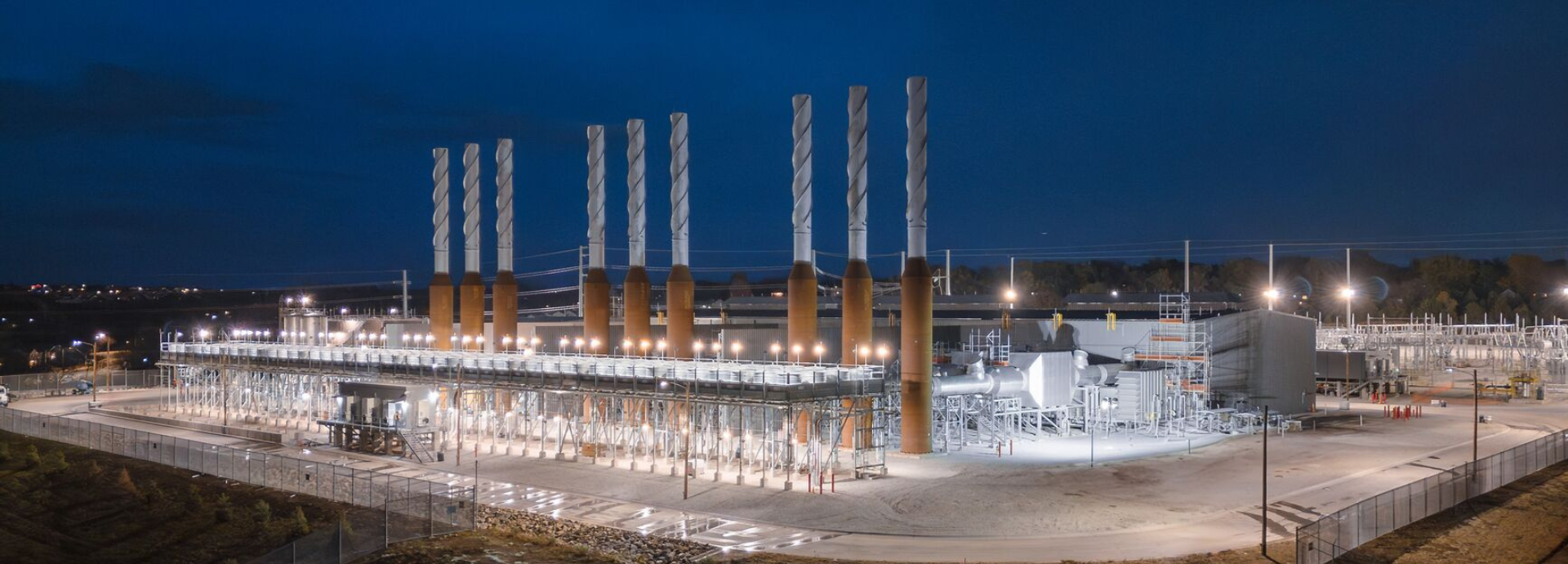
The traditional playbook for operating utility-scale energy assets is officially obsolete. For decades, the relationship between equipment owners and technology vendors followed a predictable, transactional rhythm: you bought a piece of machinery, and you called the supplier only when it broke down.
That "break-fix" model was built on an assumption of grid stability, an assumption that no longer exists in the United States. Today, the U.S. energy market is defined by unpredictability, driven by massive load variability, grid constraints, and an unprecedented boom in the data centre and traditional utility sectors.
Many asset owners, several of whom are entirely new to these specialised technologies, are still underestimating how quickly day-to-day operational complexity translates into serious financial risk. In a market where missing a single peak window can cost millions, waiting for something to break is no longer just an operational headache; it’s a profound business vulnerability.
If there is a tagline for the future of the U.S. energy transition right now, it isn't one written by a marketing department. It’s simple: “Build your own power.”
In a world facing severe capacity shortages, if you don't have reliable, flexible power, nothing else matters. But building that power requires an entirely new way of thinking about long-term operations. It requires moving away from transactional vendors and stepping into true lifecycle partnerships.
"Lifecycle partner" has become a pervasive corporate buzzword. But when the grid is strained and operations get complicated, what does that mean in practice?
In my everyday life, it means that when a challenge arises, a customer is not picking up the phone to call a generic vendor. They are calling a trusted partner who already knows their plant, understands their long-term objectives, and is helping them plan for what comes next. Together, we can anticipate risks, prioritize investments, and build a roadmap that supports reliable, cost-effective operations well into the future.
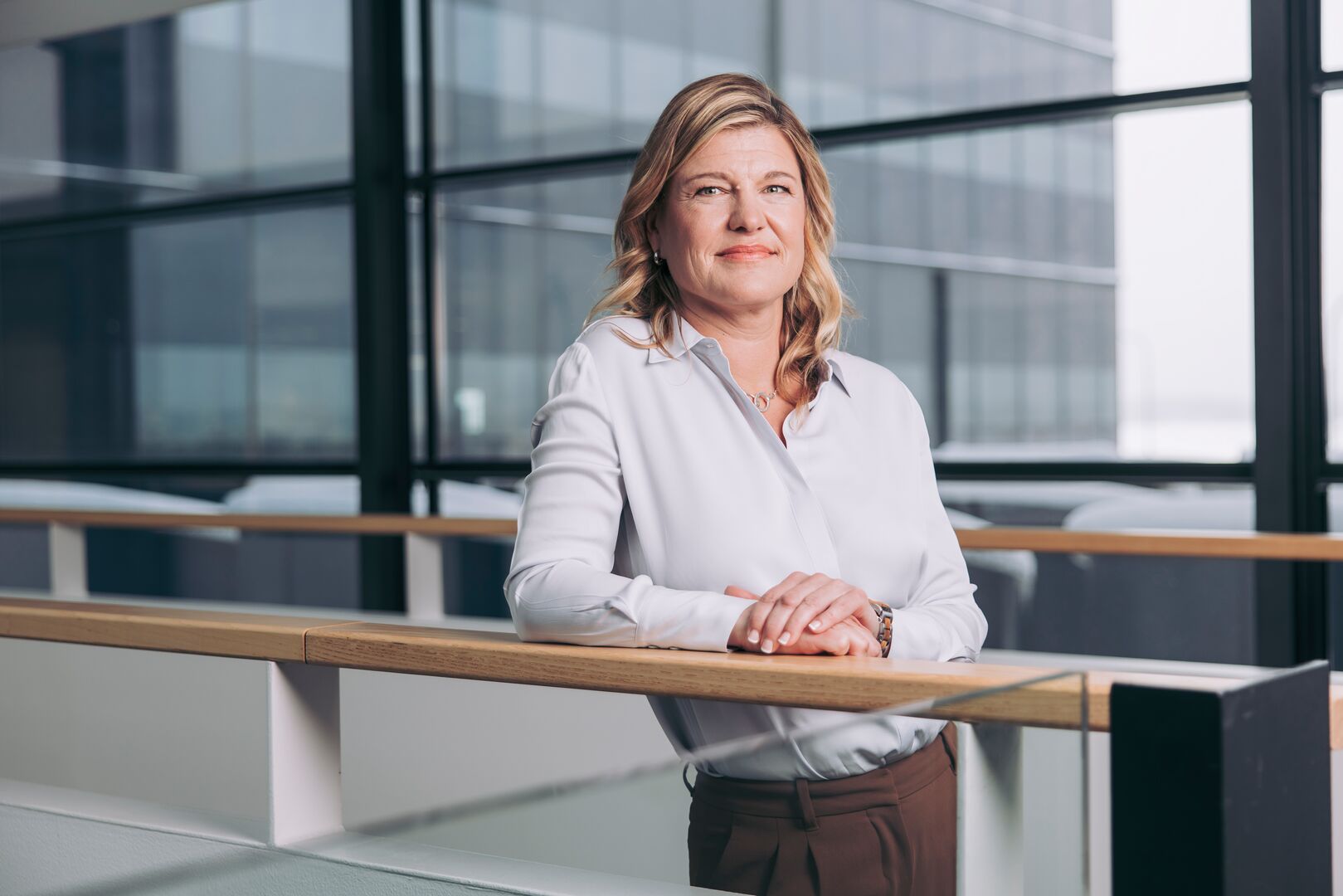
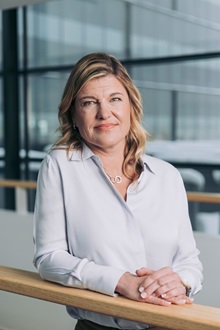
Sanna Silander, Energy Business Director, Region North, Americas, Wärtsilä Energy
True partnership is about living inside the problem in real time, managing market uncertainty with radical transparency, and making high-stakes decisions together. The real commercial value doesn't come from how fast we can turn a wrench to fix a broken engine; it comes from utilising centralised expertise to anticipate and mitigate anomalies long before they ever impact real-time operations.
The energy sector is currently awash in data and beautiful digital dashboards. But data alone has never built trust; only visible, verifiable commercial outcomes do.
The transition from looking at numbers on a screen to trusting a partner enough to hand over the operational keys happens when a customer sees proactive insights consistently preventing downtime. For instance, through our remote operations centre in Houston, our teams are constantly analysing performance indicators across connected assets. When our systems predict that a component on one engine might fail, we don't just send a data report; we proactively fix the issue and immediately evaluate the rest of the customer’s fleet.
Once that baseline of execution is proven, the conversation changes entirely. It stops being a transactional debate over data metrics and becomes a shared, strategic dialogue: “how do we use this insight together to optimise the plant, guarantee availability, and achieve predictable long-term operations and costs?” When risk and accountability are shared, it creates a true win-win environment that protects the asset owner's bottom line.
While centralised data analytics are crucial, the speed of physical execution is becoming the ultimate competitive advantage in the U.S. market. This is why Wärtsilä is driving expansion of our "boots on the ground" service technician workforce across the country.
Because so many companies entering the U.S. energy space are navigating these complex assets for the very first time, they face a steep learning curve. Expanding our localised technical workforce isn't just about meeting our contractual obligations; it’s about ensuring we can deliver faster, maintain absolute reliability, and provide immediate, face-to-face technical reassurance right where the customer operates.
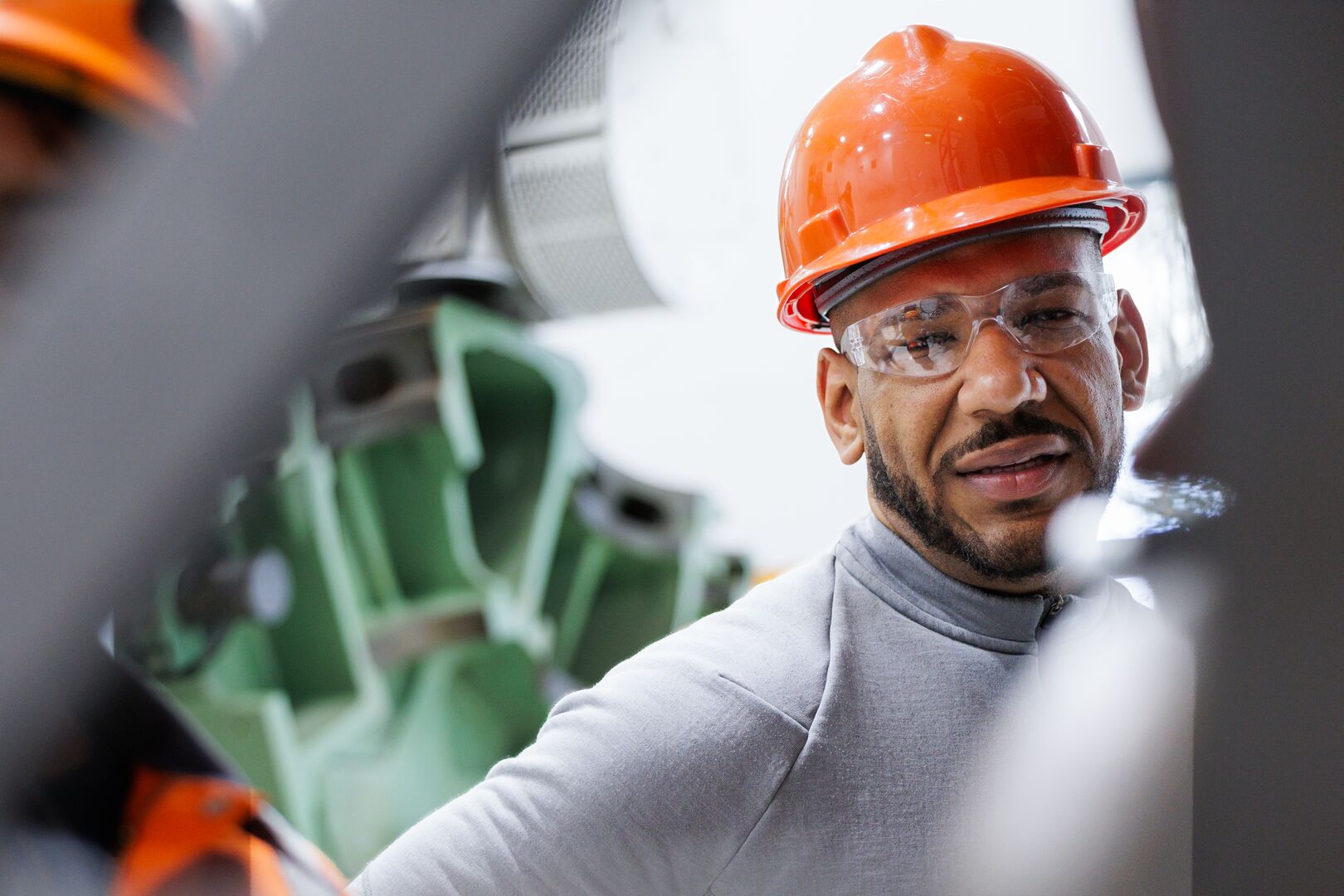
But adding the right people to this growing ecosystem involves more than just verifying technical credentials. In today's market, hard engineering skills must be paired with exceptional soft skills. We actively recruit problem-solvers who can communicate clearly under pressure and build psychologically safe relationships with their counterparts.
This focus on the human element is also how we are successfully addressing the industry-wide shift toward building an age-diverse workforce. To attract the next generation of talent, we are completely reframing what a career in energy looks like, building on our strong legacy rather than replacing it. Young professionals entering the market today are looking for more than their first job. They want opportunities to grow, build meaningful careers, and help shape the future of the industry. They want to see the direct, tangible impact of their work on local communities, support vital industries, and be actively involved in driving the energy transition toward sustainability.
By positioning these roles within a sophisticated, technology-driven energy ecosystem, fuelled by AI, automation, real-time analytics, and critical data centre infrastructure, we are capturing the imagination of a new generation. We are showing them that it is no longer just about engines; it's about intelligent systems and the people who run them.
The reality of today’s volatile market is that no asset owner, supplier, or engineering firm can navigate these system constraints alone. Energy is no longer a passive utility input; it is a critical, strategic enabler of business growth that must be de-risked through deep, long-term service agreements.
The asset owners who succeed in this next phase will be those who recognise early that operational risk cannot be managed through a rear-view mirror. It requires a deliberate shift toward shared accountability and structured, long-term service agreements. By moving away from reactive, transactional vendor relationships and embracing comprehensive lifecycle services, the energy industry can finally turn market volatility into a stable, predictable foundation for sustainable growth.
Once every six weeks, you will get the top picks – the latest and the greatest pieces – from this Insights channel by email.