We are living through a massive global realignment. Electrification is reshaping sectors from heavy industry and transport to digital infrastructure, marking a turning point on the scale of the Industrial Revolution. Global electricity demand is expected to more than double by 2050. At the same time, the rapid rise of Artificial Intelligence (AI) is reshaping how we build and progress, bringing both extraordinary promise and an insatiable demand for energy.
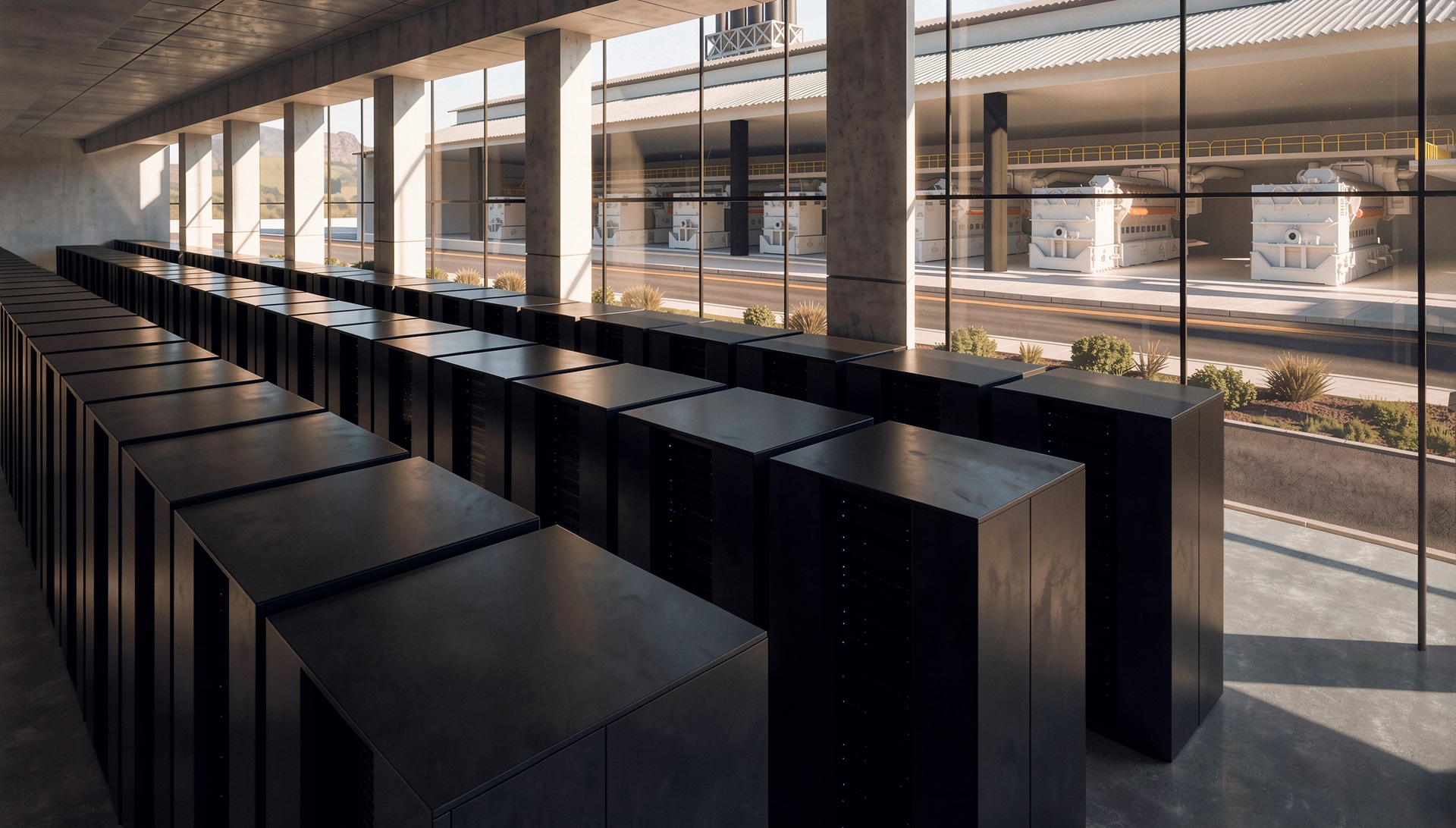
Behind every AI system sit vast data centres where information is processed and transformed into insight. Their expansion is contributing to a sharp, sustained surge in electricity consumption. Yet, as the need for data processing grows, the infrastructure supporting it is hitting a wall. In key data centre markets, the public power grid is reaching its limit, with connection wait times now spanning years. For data centre operators, the core strategic question is no longer just about how much rack space they can build, but where the power will come from, and how to ensure it is reliable, efficient, and sustainable in the long run.
At Wärtsilä, we believe the answer lies in a fundamental shift in perspective. To secure the future of the digital economy, data centre developers, operators, and energy providers need to move beyond total grid-dependence and embrace on-site, off-grid power generation as a primary approach.
In the digital economy, speed to market is the ultimate competitive currency. Yet across global computing hubs, a stark reality has emerged: data centres can now move from planning to deployment 18 to 24 months, while local utility grid interconnections and transmission upgrades routinely require five to seven years.
This growing disconnect creates a severe "speed-to-power" mismatch. Rapid growth in AI-driven electricity demand is contributing to longer interconnection queues, greater pressure on transmission networks, and extended utility infrastructure timelines. For developers and operators, waiting years for utility reinforcements is no longer just a project delay; it has a direct impact on business viability and capital deployment. Power availability, rather than site location or land acquisition, has become the single primary constraint on digital growth.
Solving this structural bottleneck requires looking beyond the traditional grid-first delivery model. While on-site primary power may feel like a new frontier for the data centre sector, delivering independent, utility-grade generation for high-uptime industrial applications has been Wärtsilä’s core expertise for decades.
By deploying modular, on-site generation, developers can align energy readiness directly with facility construction schedules. This approach bypasses multi-year utility queue delays, allowing capacity to come online significantly faster than traditional grid timelines. Crucially, a modular architecture enables power capacity to scale incrementally alongside IT load demand, reducing upfront capital risk, avoiding costly infrastructure overbuild, and ensuring that when the servers are ready, reliable power is already there to run them.
As data centres shift toward primary on-site power generation, technology selection becomes a core strategic decision. In an environment where power systems must run continuously to power AI workloads, selecting the right technology choice comes down to balancing strategic imperatives such as:

Meeting the energy demand of the AI era is not simply a question of installing immediate megawatts; it requires power systems designed to remain adaptable over decades. Choosing a technology without a clear, seamless evolution path risks locking facility owners into stranded assets as emissions regulations tighten and global fuel markets transition.
Rather than viewing on-site generation as a static bridge, forward-looking developers are selecting technologies built for long-term system-level flexibility. While 24/7 AI compute requires firm primary power, integrating local renewables offers a key path toward long-term sustainability goals. To make intermittent renewables viable without risking server uptime, primary power infrastructure must provide rapid-balancing capabilities that buffer wind and solar fluctuations without compromising site stability. Additionally, because these systems are designed for multi-decade lifecycles, they should be engineered with future fuel flexibility in mind allowing conversion to 100% sustainable fuels, such as hydrogen, as green supply chains mature at scale. Finally, modern configurations can capture process waste heat for facility cooling or local district heating, transforming the data centre from an isolated consumer into an active participant in a circular energy ecosystem.
The AI revolution is here, and with it comes an urgent need for deep, cross-sector collaboration. Tech leaders and energy experts must work together to ensure that our digital future is powered reliably and responsibly.
At Wärtsilä, we are helping to shape a future where data centres and energy systems become increasingly interconnected, creating intelligent energy hubs that combine computing capacity with resilient, flexible power infrastructure.
While on-site primary power provides the immediate certainty needed to bypass today's grid bottlenecks, these facilities are built with the inherent flexibility to evolve. When local utility infrastructure matures, these plants can transition from independent islands into active grid partners, using their rapid-response capabilities to balance regional renewables, stabilise local energy systems, and free up capacity for the wider community.
The grid may be reaching its limits, but the opportunity for system-level energy innovation is just beginning.
Once every six weeks, you will get the top picks – the latest and the greatest pieces – from this Insights channel by email.