
The global push toward decarbonisation is no longer a future ambition; it is our current reality. As wind and solar capacity continues to accelerate, we are successfully replacing carbon-intensive electrons with clean ones. However, as we shift the fuel of our grids, we are changing the fundamental physical characteristics of the power system.
While renewable energy sources are essential for a sustainable future, they do not naturally provide all the capabilities needed to maintain a stable power system. Traditionally, conventional power plants have helped absorb disturbances and support reliable grid operation. As their role in the energy mix decreases, power systems become more sensitive to voltage and frequency fluctuations. Ensuring grid stability is therefore becoming increasingly important as renewable energy penetration continues to grow.
The shift towards higher shares of renewable generation is placing greater emphasis on solutions that can support power system reliability and grid stability.
Australia provides a leading example of a market navigating these challenges. In regions such as South Australia and Queensland, the rapid integration of inverter-based resources has prompted grid operators to identify a critical need for enhanced stability services. Inverter-based resources are electricity sources connected to the grid through power electronic inverters, including solar, wind, and battery storage systems. Energy producers in these areas are increasingly recognising the need for synchronous condensers to provide this essential support, and various studies have verified the role of such technologies in stabilising grids with high renewable shares.
This experience underscores a broader point: as grids modernise, certain technical capabilities, such as those provided by synchronous condensers, are becoming increasingly important. By integrating technologies such as synchronous condensers into the power system, network operators can maintain resilience while supporting continued renewable growth.
The transition to a high-renewable grid does not require a choice between sustainability and stability. Instead, the focus is on integrating grid-supporting assets naturally into the energy infrastructure.
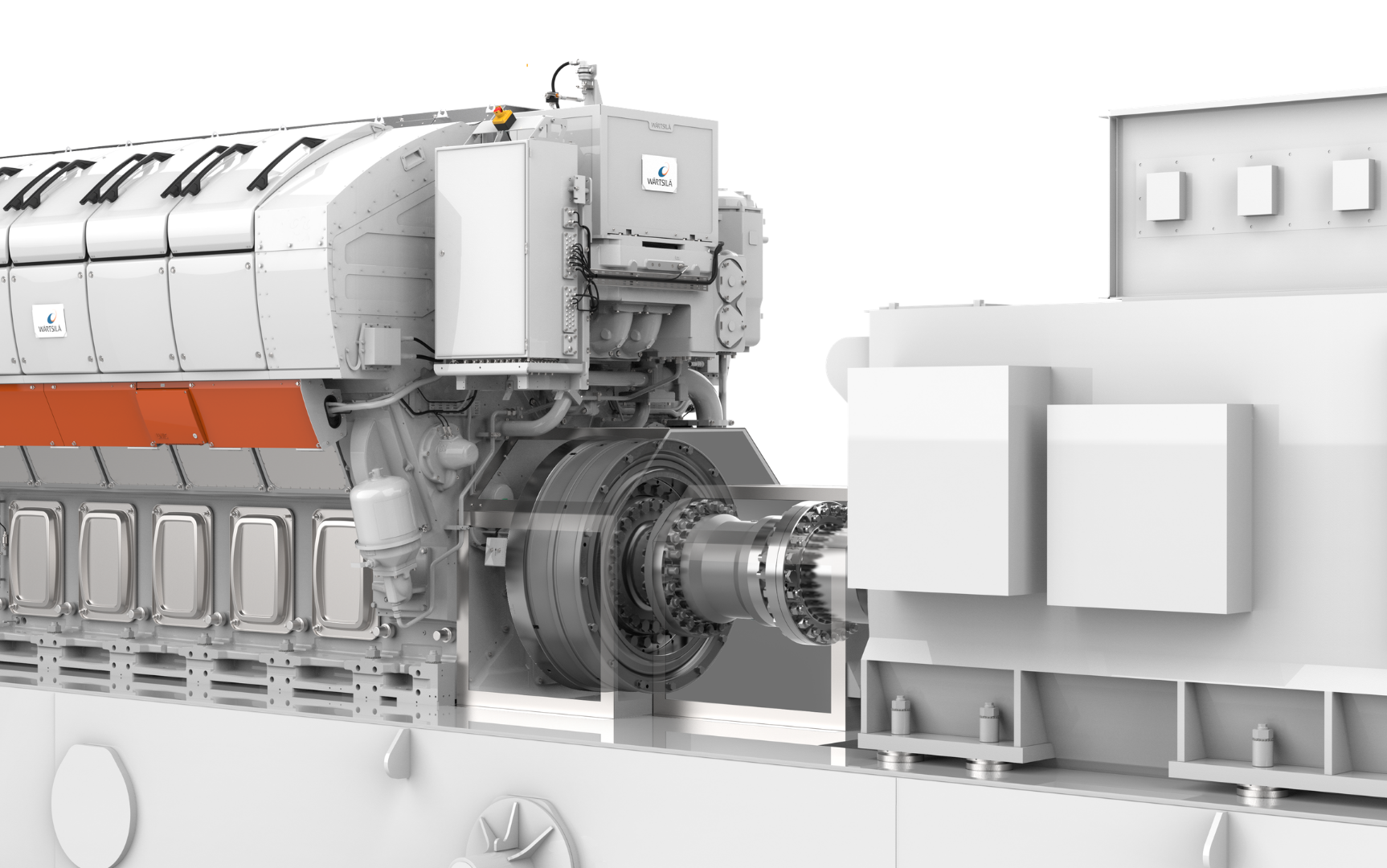
One effective approach is to leverage existing balancing assets to provide stability services. By introducing a solution for decoupling the generator from the engine, the generator itself can remain connected to the grid and work as a synchronous condenser. This enables them to provide short-circuit strength, inertia and reactive power even when the engine is not running.
This functionality is relevant for power systems of any scale, from large, interconnected grids to regional networks and industrial microgrids. Stability challenges often arise during periods of high renewable output, where operators might otherwise be forced to curtail clean energy to keep conventional generators online for stability purposes. By providing stability services independently of energy production, this technology helps maintain grid integrity and reduces the need for curtailment.
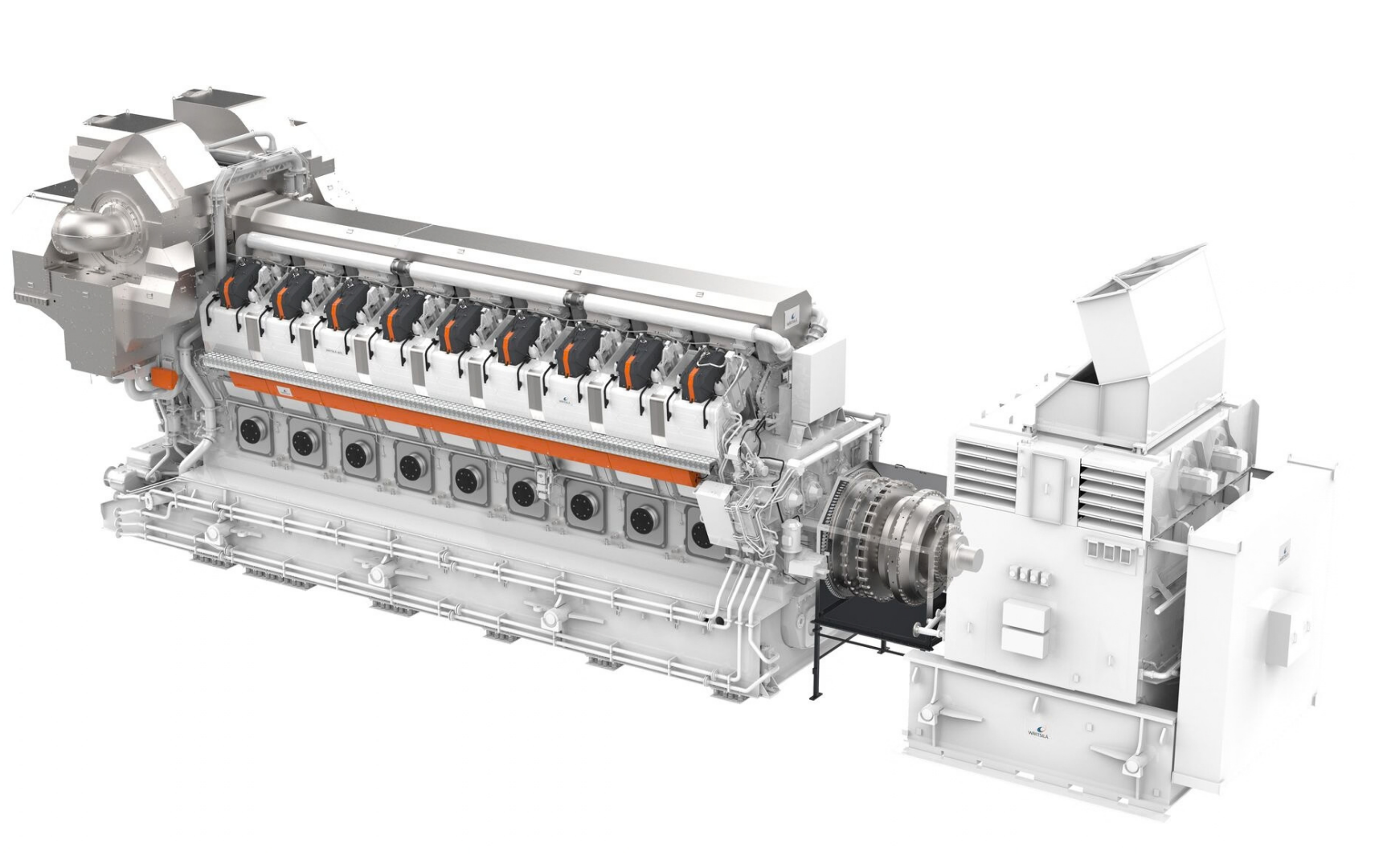
This isn't just a technical fix; it’s a shift in how power assets generate value. For an Independent Power Producer (IPP), this feature turns a balancing asset into a multi-tool.
Power plant owners can bid into energy markets when prices are high, but they can also stay connected 24/7 to provide paid grid-support or ancillary services, such as reactive power, short-circuit- and inertia support, even when they aren't selling energy. This flexibility allows generating revenue from energy sales when prices are high, and from grid support services when the engines are not running.
This seamless switching capability enables capturing earnings from energy sales and tapping into paid grid-support services when the engines are off. It transforms the power plant into a flexible, future-proof contributor to the system.
As we look toward the end of the decade, the path to a reliable grid is becoming clearer. By combining flexible generation with synchronous condenser capability, we can further enhance grid stability as the energy mix evolves.
This approach demonstrates that decarbonisation and reliability can advance together, hand in hand, creating power systems that are both sustainable and resilient.
At Wärtsilä, we envision a 100% renewable energy future, where technologies that strengthen grid stability help unlock the full potential of renewable power.
Once every six weeks, you will get the top picks – the latest and the greatest pieces – from this Insights channel by email.