No vessel owner or operator wants delays, charter penalties, lost revenue or unhappy customers. Yet preventing downtime often requires investment, whether in expert support, predictive maintenance or more flexible maintenance planning.
It’s not about deciding whether downtime is bad. The real question is whether the cost of prevention is justified by the operational and commercial benefits. For many operators, the value of downtime prevention lies not just in avoiding failures, but also in creating more predictable operations.
These five considerations can help you decide whether stronger downtime prevention measures are worth evaluating for your fleet.
Fast access to expert support can reduce the risk of delays, penalties, lost revenue and reputational damage when a vessel cannot sail on time because of an unexpected problem.
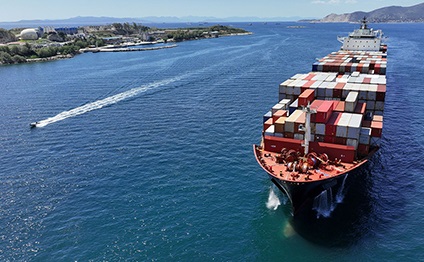
Picture the scene: the chief engineer on your LNG carrier is trying to leave port but the engines won’t start. If you can’t get moving quickly you will be liable for big financial penalties on top of your loss of earnings, with the additional threat of losing the charter.
However you get the issue solved, time is of the essence. Crew costs are rising and you’re not making any money to offset them.
Your engineer might be staring at a screen full of alarms as they try to work out why the equipment has stopped. And if you have a less experienced crew or an especially complex issue – for example a sensor problem which causes temperature readings to look normal when they’re not – problems become expensive fast.
Unexpected downtime can lead to serious problems whatever your vessel type. For example, this infographic explains the true cost of a single day’s delay for a cruise operator.
On top of the significant expense comes the threat of unhappy paying customers and the potential for reputational damage, both of which can harm profits.
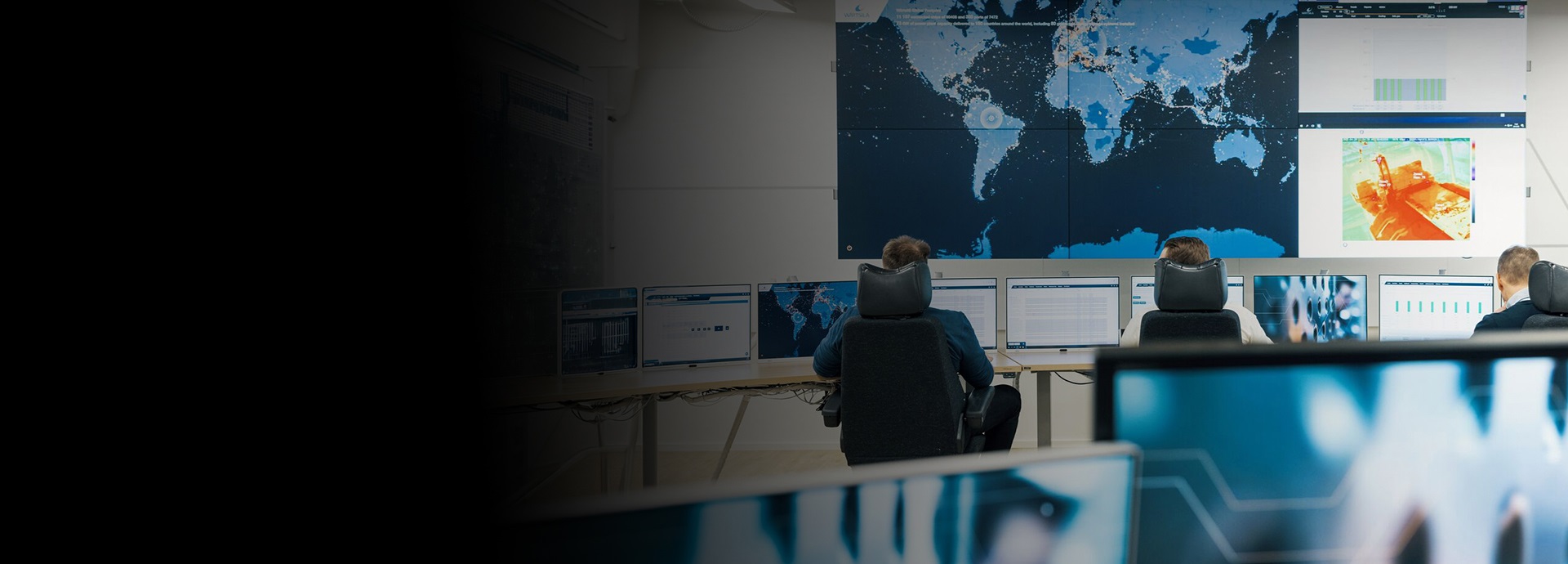
Having expert support like Wärtsilä Operational Support service available around the clock to assist with troubleshooting can help you get your vessel sailing again as quickly as possible. In the case of the LNG carrier, the chief engineer had access to Wärtsilä Expertise Centres.
One phone call and a Wärtsilä expert immediately started investigating the case.
The expert gave the chief engineer step-by-step instructions of things to check, such as pressure and temperature levels and fuel quality. In addition, the expert had access to the vessel’s history and real-time data and trends from equipment onboard.
Most importantly, the expert knew where to find the problem and had the experience to solve it as quickly as possible.
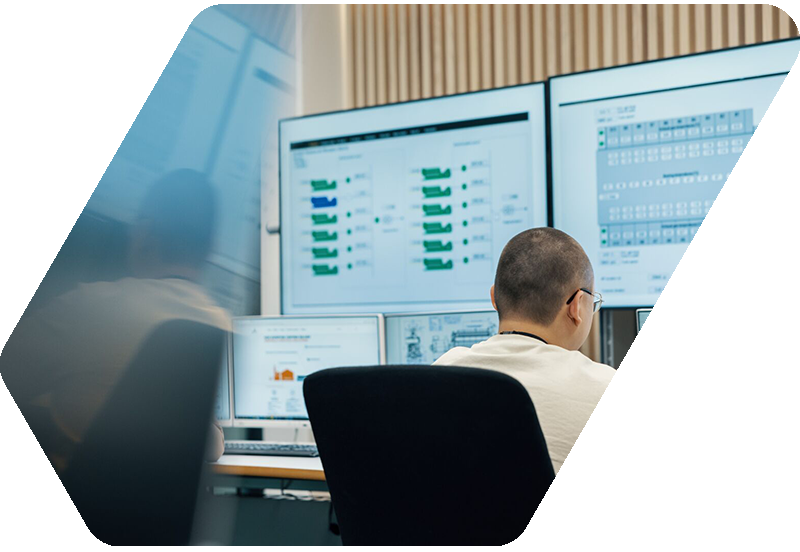
The chief engineer and Wärtsilä expert collaborated in real time to resolve the case, the engine was successfully started and the vessel left port and got back on schedule.
When something goes wrong, immediate access to the right expertise can make the difference between a short interruption and costly downtime.
Why this matters: The faster a problem is resolved, the lower the risk of delays, penalties, lost revenue and operational disruption.
Predictive maintenance helps operators identify equipment issues and fix them before they become more serious, reducing downtime risk and improving operational predictability.
Before equipment breaks down there are often small signs that show something isn’t quite right. The problem is that these signs might not be visible to your crew. For example, these can be indications of poor engine health:
These changes aren’t enough to cause an alarm, and crew onboard might not notice a problem. But there is still a way to detect these signs and fix small issues before they develop into something more severe and take your vessel out of action.
Predictive maintenance services like Wärtsilä Expert Insight continuously analyse incoming data from sensors onboard a vessel.
Advanced rule-based analytics and a layer of AI help to recognise when there’s a potential issue and flag it to the most important element of the Expert Insight service: Wärtsilä experts. They alert the customer to any anomalies and use their knowledge and experience to provide actionable advice and recommendations.
The point is not to replace human expertise with data. The value comes when data, AI and experienced experts work together to recognise opportunities to reduce downtime risk and increase operational predictability.
Predictive maintenance combines vessel data with Wärtsilä’s OEM expertise and experience gained from hundreds of operating vessels around the world. This approach makes it possible to identify when equipment isn’t running optimally. Early intervention like this prevents minor problems from causing unexpected downtime.
Although crew often move between vessels, with Expert Insight you’ll have a dedicated Wärtsilä expert that knows your vessel, with expert recommendations stored in one place for all crew members to see. Crew also learn more about common issues and how to solve them.
In one case, the Expert Insight service picked up that the charge air temperature on board a vessel was too low, meaning the engine wasn’t operating efficiently. Working with the chief engineer onboard, Wärtsilä’s experts helped to solve the problem: a faulty actuator.
Another example of where Wärtsilä Expert Insight helped avoid a costly and time-consuming problem is the shuttle tanker Aurora Spirit. The service flagged an abnormality in the lube oil pressure at the turbocharger. This early warning helped the vessel’s owners to avoid a potential engine failure with a relatively simple bearing replacement.
The Japanese technical manager MMS Co., Ltd. uses Expert Insight as well. Here’s how the service spotted and helped solve an engine fault before it caused a breakdown.
Download the white paper Could AI and data help reduce downtime? The best answers from real vessels to see more real examples from offshore vessels, LNG carriers and other vessel types, including how potential problems were identified and addressed before they led to costly disruption.
Why this matters: Preventing a failure is usually less expensive than dealing with an unexpected breakdown.
Making maintenance decisions based on your actual equipment condition helps avoid unnecessary work while making maintenance planning more predictable and cost effective.
Many vessels are still following maintenance schedules that are based on the operational hours of each piece of equipment. Maintenance stops are chosen when running hours hit predefined levels, whether equipment needs servicing or not.
Fixed schedules can feel safe, but they do not always reflect how components actually wear. In some cases, they can create unnecessary maintenance while still missing developing issues. With the right data at your fingertips you can safely delay maintenance work until the equipment really needs it.
Data-driven maintenance planning (DMP) provides the flexibility to schedule maintenance for when it’s needed rather than according to running hours.
If performance data and inspections are all looking good, the time between overhauls can be extended. This cuts overall lifecycle costs.
Different maintenance activities can often be combined according to dry dock schedules to make the best use of docking time.
The Expert Insight service is at the core of DMP. The technology is used to track real-time data from the vessel and monitor the condition of fluids such as lube oil, cooling water and fuel.
These ongoing checks are combined with intermediate and open inspections that determine whether it’s safe to postpone maintenance activities.
Wärtsilä can either carry out all inspections for you, or your crews can be trained to handle intermediate inspections with Wärtsilä carrying out open inspections. This training is also a great way to build crew competence, which helps them to deal with unexpected events as quickly and effectively as possible.
Why this matters: Maintenance based on actual equipment condition can help avoid unnecessary work while maintaining reliability.
Having the flexibility to plan your maintenance when it best fits your operational requirements can allow you to take advantage of commercial opportunities while remaining confident in your equipment reliability.
The benefits of DMP extend beyond simply reducing maintenance costs. In some cases DMP has allowed operators to take lucrative contracts that would have clashed with previously scheduled maintenance. In these cases Wärtsilä can provide a statement, accepted by classification societies and insurance companies, that shows that maintenance can be safely postponed for a given length of time.
Why this matters: More flexible maintenance planning can help operators take advantage of commercial opportunities that might otherwise be lost.

Want to learn more about making smarter maintenance decisions that increase operational flexibility? Watch this insightful webinar to find out how to use data and AI to predict and prevent equipment failure, optimise fuel usage and evaluate decarbonisation technologies.
Reliable equipment, supported by expert partners, reduces operational risk by increasing predictability and reducing downtime.
One of the best ways to increase predictability and avoid unscheduled downtime is ensuring your equipment is reliable. Choose proven equipment from trusted suppliers to benefit from:
Why this matters: Greater predictability makes it easier to manage operational, financial and reputational risk.
Are you making decisions about spare parts that could cause problems for your vessel later on? Find out by watching this video:
"Which common spare parts decisions could be putting your vessel at risk?"
The right amount of downtime prevention for your operations will depend on the commercial and operational cost of unexpected equipment failure onboard your vessel. You may want to evaluate stronger downtime prevention measures if:
Not every vessel needs the same level of investment in downtime prevention. A lighter approach may be enough when the commercial consequences of downtime are limited, your operating profile is predictable or your vessel is nearing the end of its planned commercial life.
You may wish to maintain a lighter, more targeted approach to downtime if:
Vessel downtime prevention is more than just a maintenance decision – it’s also a business decision.
For some operators, faster access to expertise may be the right level of downtime prevention support. Others may benefit from earlier warning of developing issues, or maintenance planning based on actual equipment condition.
The right level of investment depends on the operational and commercial consequences of downtime. The higher the cost of disruption, the greater the value of predictability and reduced operational risk.
See the evidence from real vessels
If you are evaluating whether downtime prevention is worth the investment, the next step is to look at how different approaches perform in real operational examples.
To see what helped two offshore vessels avoid costly surprises,
watch this video:
How two vessels saved up to €1.5 Million.
To see what helped a newbuild offshore vessel sail for thousands more hours before its first overhaul, watch this video:
How a newbuild gained 12,000 running hours.
Download Could AI and data help reduce downtime? The best answers from real vessels to see six real examples of how vessel operators have used predictive maintenance, data-driven maintenance planning and remote expert support to reduce disruption, improve predictability and make better maintenance decisions.
Written by
Once every six weeks, you will get the top picks – the latest and the greatest pieces – from this Insights channel by email.