| Who | QIT Madagascar Minerals (QMM) |
| What | Decarbonisation Services agreement |
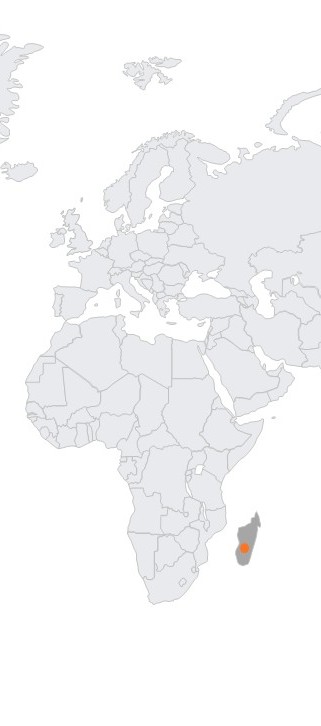
| Where | Madagascar |
tonnes estimated annual CO2 reduction from renewables and GEMS optimisation
tonnes annualised fuel savings by optimising engine loading
reduction in engine running hours through GEMS optimisation
Notes: 1) Fuel saved is calculated by comparing engines’ fuel intensity (kg/MWh) for the periods before and after GEMS installation, and annualising the result. 2)“Before GEMS installation” period includes May – July 2025 including 14 MW Solar PV, 16 MW/MWh BESS and 1.7MWp of Wind. “After GEMS installation” period includes August 2025 – February 2026 (excluding December) with 4MW of additional Wind capacity being progressively installed.
“-The reliability and efficiency of the power plant are critical to our operations. The agreement allows us to take advantage of Wärtsilä’s competence in power system optimisation and use renewables in the most efficient way, supporting Rio Tinto’s decarbonisation objectives
- Jean-Francois Richer, Director Integrated Operational Services at QMM
“-By taking energy optimisation to a new level, this project further strengthens our long-lasting partnership with QMM. Its successful deployment required close coordination among multiple stakeholders to address asset integration and interoperability challenges. Ultimately, our technologies enable meaningful cost savings, while delivering reliable and sustainable power supply to the mine.
- Christoffer Ek, Director Decarbonisation services, Wärtsilä Energy


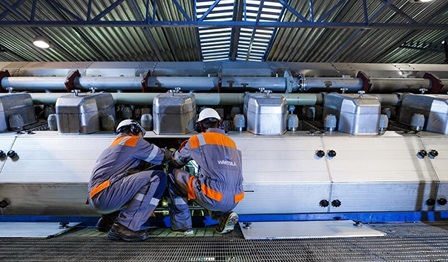
Wärtsilä and QMM expanded the engine power plant Operation and Maintenance agreement into a Decarbonisation Agreement, introducing advanced system integration & optimisation capabilities via Wärtsilä’s GEMS Energy Management System acting as microgrid controller.
GEMS integrates and dispatches all assets as a single coordinated system, rather than isolated components.
The implementation of GEMS transformed the operational profile of the site through its forecasting capabilities and smarter dispatch decisions.

| Customer | QIT Madagascar Minerals S.A. (QMM) |
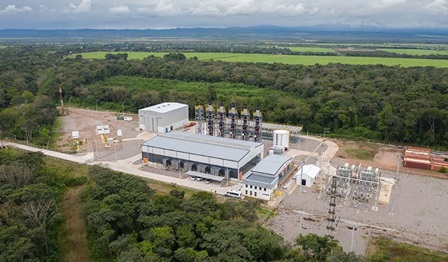
| Type | GEMS for islanded grids as microgrid controller, integrating and dispatching Wärtsilä engines and 3rd party BESS, solar PV and wind power. Engine Operations & Maintenance agreement |
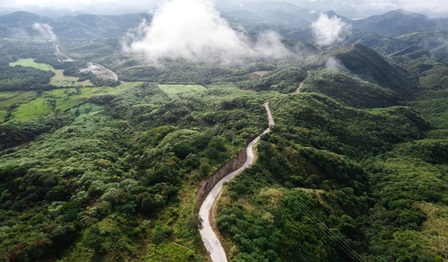
| Where | Large-scale mining operation near Fort Dauphin, in Madagascar. |
| Scope | Decarbonisation services |
| Delivery | Ongoing delivery |

Fill in a contact form and our experts aim to be in contact within 1-2 business days. Contact us »

Read our Decarbonisation services leaflet to get all the details.