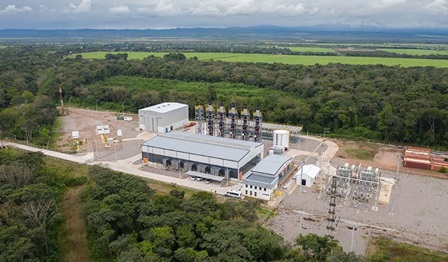
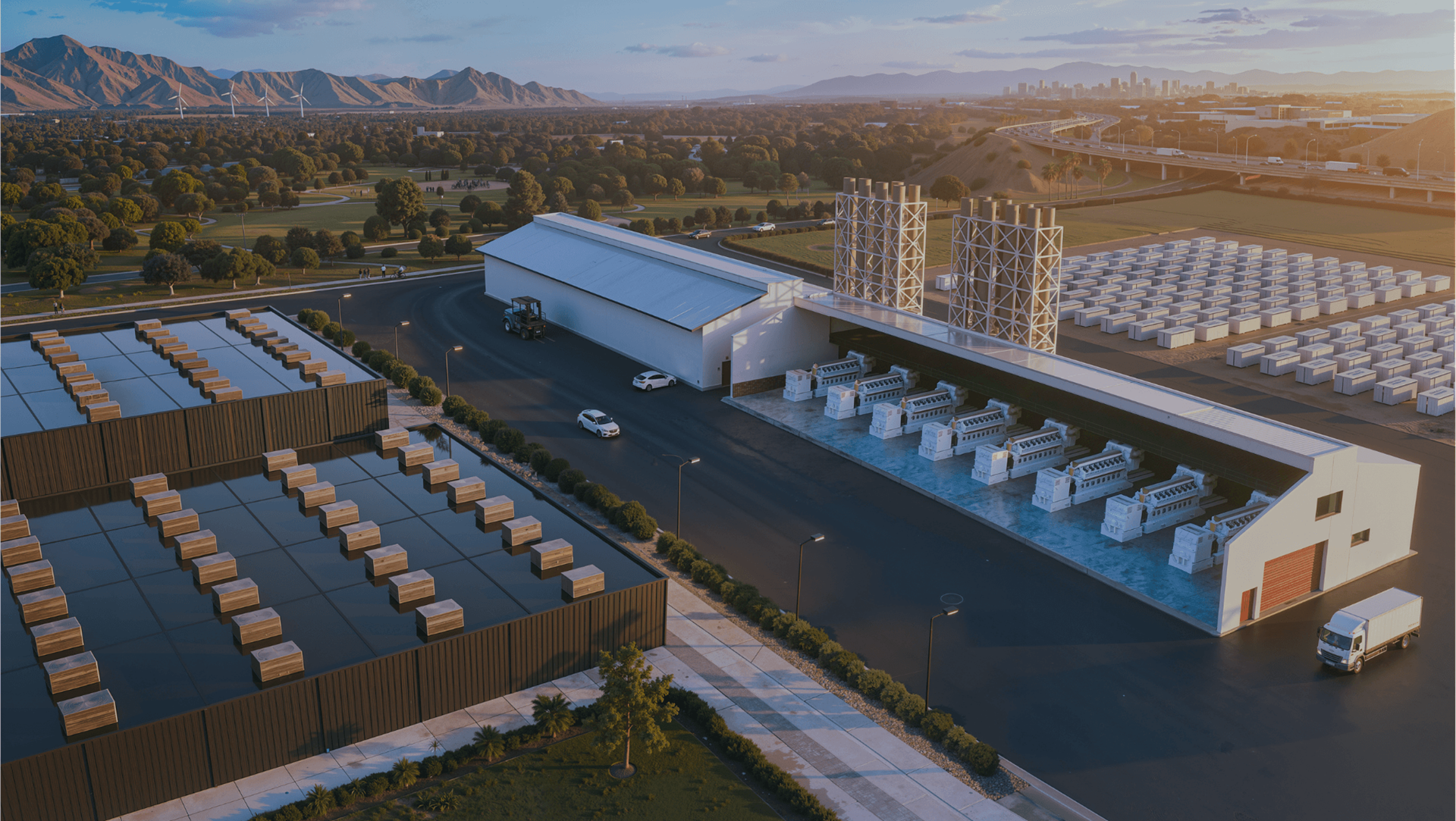
The AI boom is driving unprecedented demand for power, while grid constraints are creating new challenges for data center growth. To keep pace, a new power model is emerging: macro-grids - large-scale, dedicated energy systems that combine on-site generation, grid connectivity, and flexible power resources.
By delivering dependable power at scale, macro-grids can help secure the future of data centers and digital infrastructure across the Americas.

From the United States to Brazil, Mexico, Chile, and Argentina, the data center opportunity is growing rapidly, but so is the challenge of securing power.
This whitepaper explores the unique market dynamics shaping each country and the common reality they all face: AI growth depends on reliable, scalable energy infrastructure.
Watch how flexible engine power plants are becoming a key enabler of data center growth.
Despite different market conditions, every country faces the same fundamental question: how to secure reliable power fast enough to support the next wave of AI-driven growth.

United States
Home to the world's largest data center market, but increasingly constrained by interconnection delays, with approximately 2,600 GW of generation and storage capacity seeking grid connection as of the end of 2025.

Brazil
Data center electricity demand is rising faster than expected, with projected load on the transmission grid for 2030 revised upward by 60% in just three months.

Mexico
Data centers can often be built in about two years, while transmission and grid expansion projects typically require significantly longer timelines, creating a growing mismatch between demand and available power.

Chile
Transmission capacity in Santiago's key Lampa-Quilicura corridor is approaching saturation, creating challenges for future hyperscale development.

Argentina
Strong investment incentives are increasing interest in large-scale digital infrastructure, reinforcing the need for reliable and scalable power solutions to support future growth.
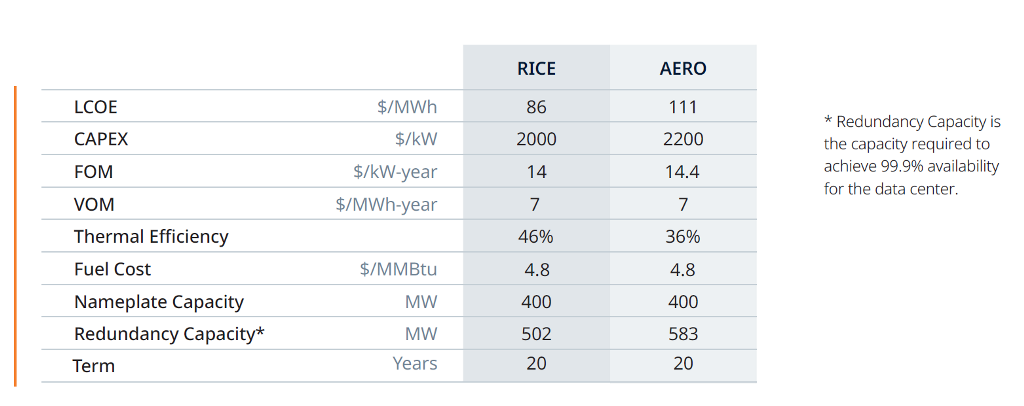
As data center power demand grows, cost-efficient onsite generation is becoming increasingly important. Using Levelized Cost of Electricity (LCOE) framework, a common metric comparing the average lifetime cost of electricity generation across technologies, an illustrative 20-year comparison shows reciprocating internal combustion engines (RICE) delivering a lower levelized cost of electricity than aeroderivative gas turbines.