
Operate on gas and liquid marine fuels while maintaining performance, operational flexibility and compliance readiness.
Wärtsilä dual-fuel marine engines combine fuel flexibility, efficiency and emissions performance for a wide range of vessel types. Designed to operate on LNG as well as other gas and liquid marine fuels, they help ship owners and designers balance operational requirements today while preparing for evolving regulations and future fuel choices.
For ship designers, dual-fuel technology helps deliver immediate emissions reductions while preserving flexibility for future fuel pathways. By allowing for future fuel transitions already at the vessel design stage, dual-fuel vessel designs can help owners preserve future options as regulations, infrastructure and fuel markets continue to evolve.
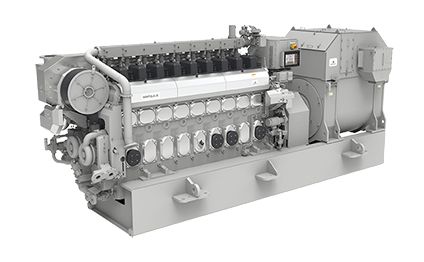
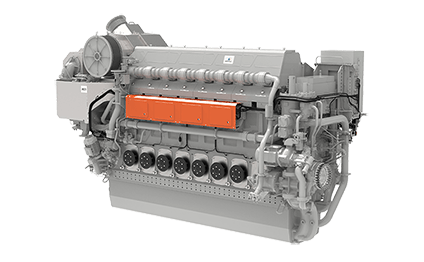
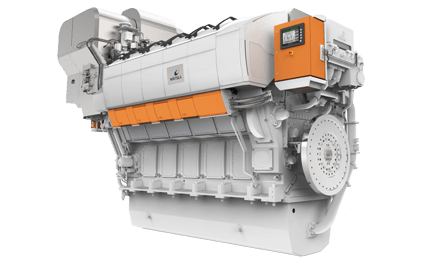
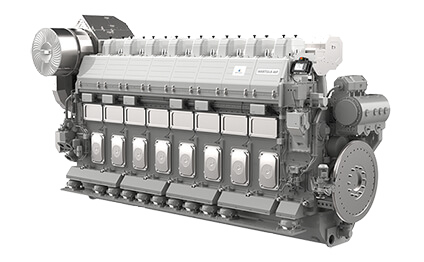
Explore the Wärtsilä dual-fuel engine portfolio below to compare Wärtsilä dual-fuel engine families and identify the right solution for your vessel.
What is a dual-fuel marine engine?
An engine that can operate on gas and liquid marine fuels.
How does dual-fuel operation work?
Dual-fuel engines are designed to operate primarily on LNG while retaining the ability to switch to conventional liquid marine fuels. Fuel changes can be made during operation without compromising vessel performance.
Which fuels can dual-fuel engines use?
Depending on engine model, LNG, bio-LNG, marine gas oil, low-sulphur fuels, heavy fuel oil and selected liquid biofuels.
When should ship owners consider dual-fuel engines?
When fuel flexibility, emissions reduction, regulatory compliance and future fuel readiness are important considerations because dual-fuel capability enables vessels to:
Different vessel types, power requirements and operating profiles require different engine platforms. Use the overview below to identify the Wärtsilä dual-fuel engine family that best matches your vessel’s needs and future fuel strategy.
NOTE! Typical applications are the most common ones: the engine can be the most suitable for other applications as well.
Key features
Typical applications
Key features
Typical applications
Key features
Typical applications
Key features
Typical applications
Key features
Typical applications
Key features
Typical applications
Comparing future fuel pathways?
Explore future fuels development
Interested in converting an existing vessel?
Explore fuel conversion options
Choosing the right engine matters because it affects the vessel’s performance, emissions, and total cost of ownership.
Start by using our Engine configurator to identify the best fit for your vessel’s exact power and feature needs. And regardless of configuration, you will benefit from Wärtsilä’s proven technology, fuel flexibility, and global service support.
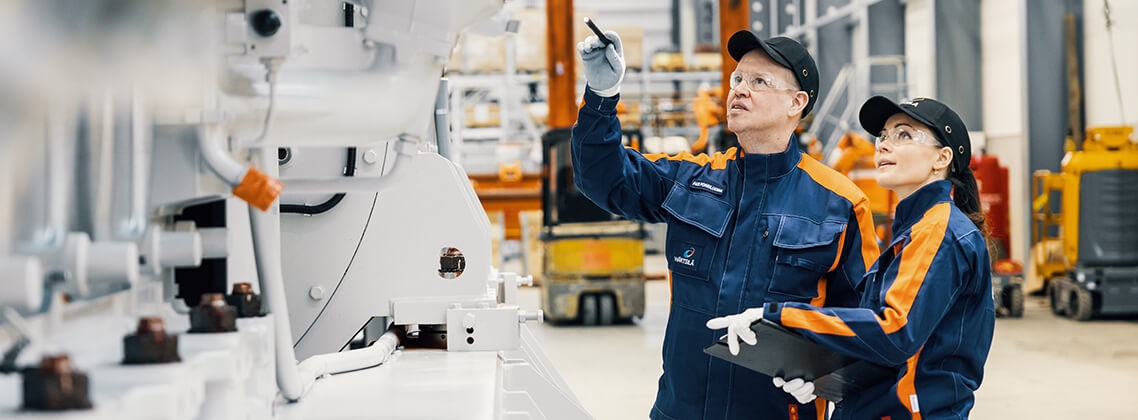
Dual-fuel engines combine fuel flexibility, emissions performance and future readiness. They enable vessel owners and ship designers to balance today's operational requirements with tomorrow's regulatory and fuel challenges.
Fuel flexibility
Operate on LNG and conventional marine fuels, choosing the most suitable fuel according to availability, operating profile and business needs.
Lower emissions
Running on LNG can significantly reduce sulphur oxides (SOx), nitrogen oxides (NOx), particulate matter and carbon dioxide emissions compared to conventional marine fuels. Dual-fuel engines also enable the use of renewable fuels, extending the potential for emissions reduction. They support compliance strategies in increasingly regulated operating environments.
Future-ready investment
Dual-fuel technology helps reduce the risk of committing to a single fuel pathway because dual-fuel vessel designs can incorporate space reservations and infrastructure considerations that may simplify future fuel conversions if requirements change.
Proven across vessel types
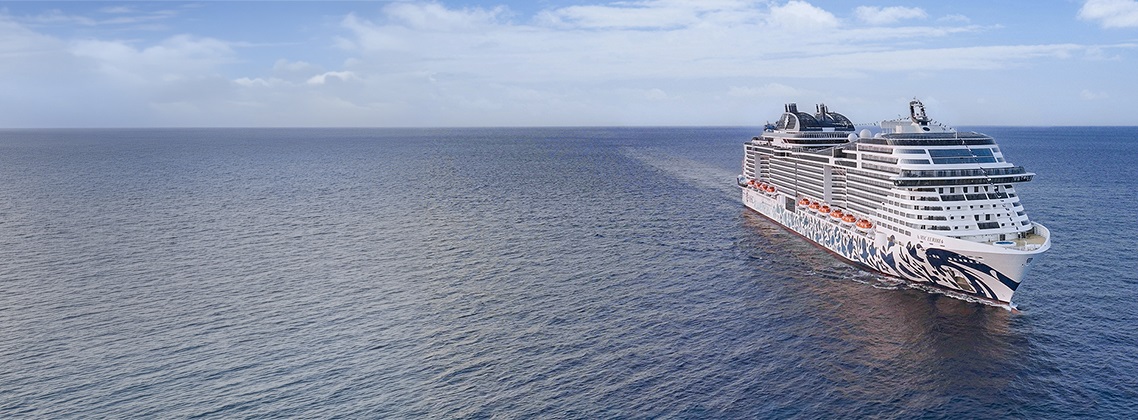
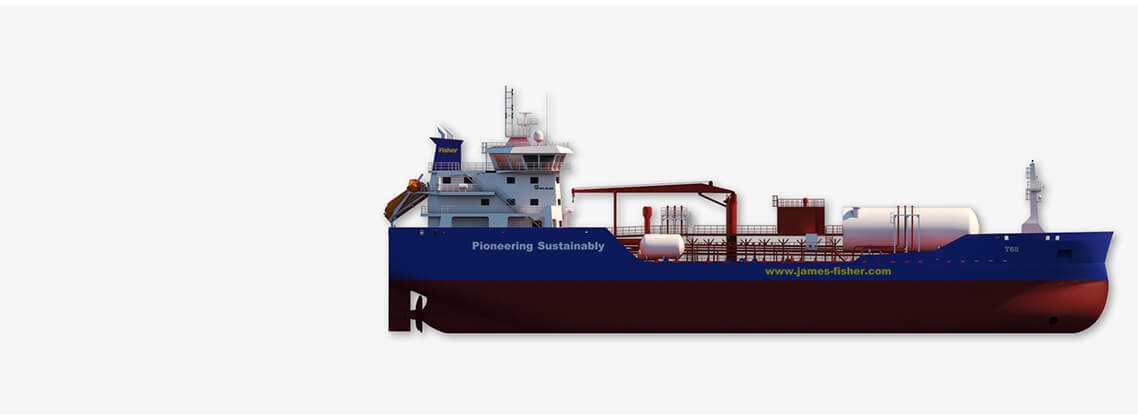
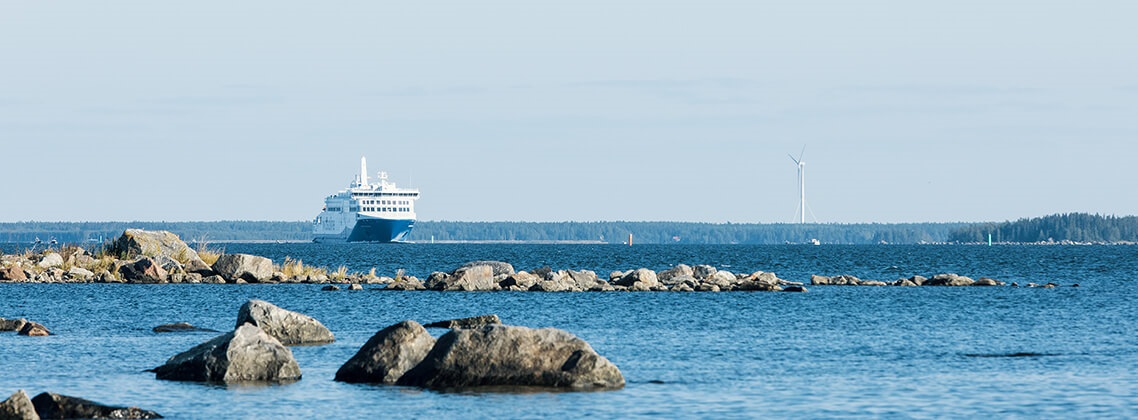
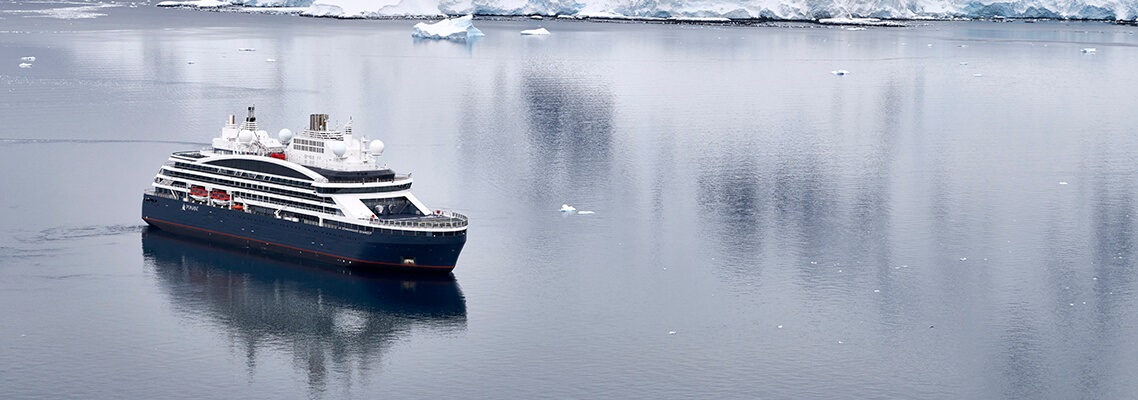
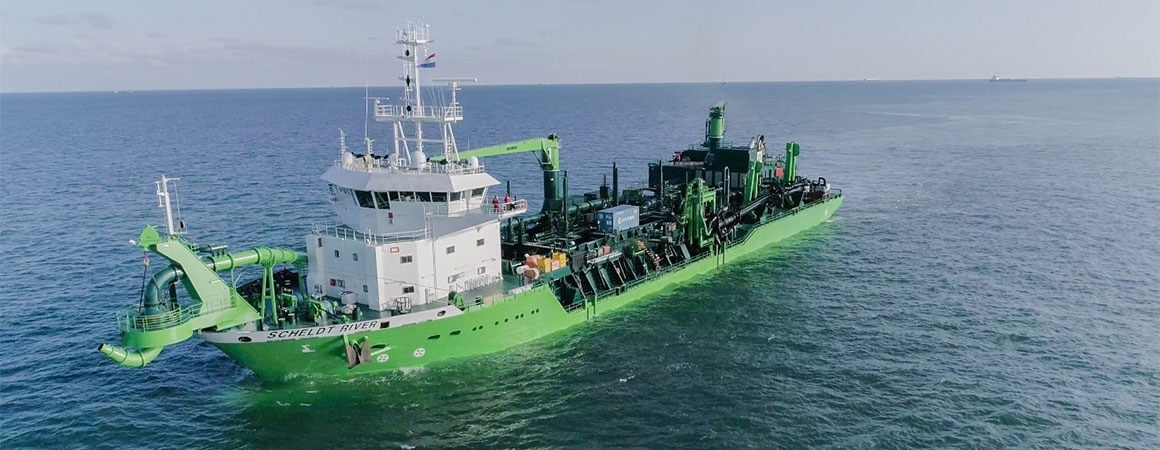
Dual-fuel engines are successfully used on ferries, cruise ships, tankers, LNG carriers, offshore vessels and many other vessel types, providing reliable propulsion and onboard power in real-world operations.
Methane slip is an important consideration when evaluating LNG-fuelled engines. Wärtsilä NextDF technology significantly reduces methane slip while maintaining the efficiency and fuel flexibility expected from a modern dual-fuel engine.
Available on selected Wärtsilä engine platforms, NextDF helps vessel operators improve greenhouse gas performance, prepare for evolving regulations and support long-term decarbonisation goals.
Discover how vessel owners and operators are using dual-fuel technology to reduce emissions, improve fuel efficiency, support compliance and prepare for future fuels.
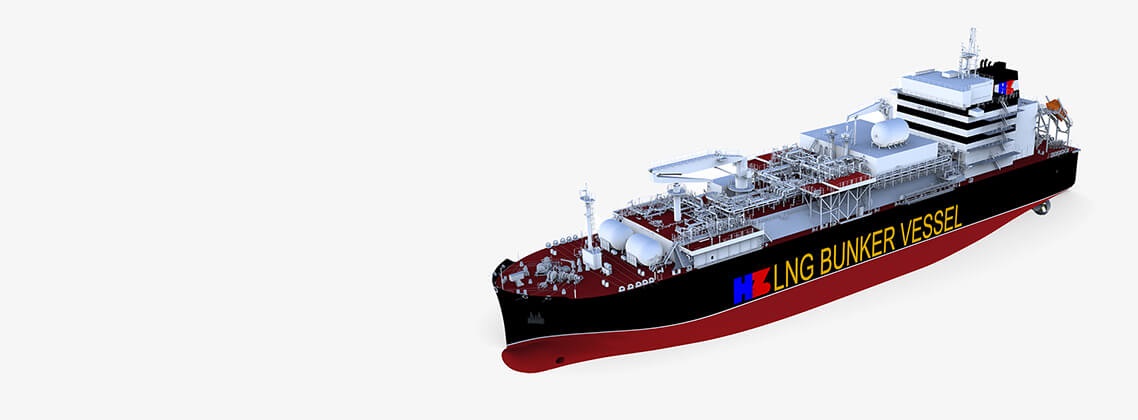
Results shown are based on Wärtsilä customer cases. Actual outcomes vary by vessel, operating profile and operating conditions.
Explore expert insights on methane slip, methane emissions reduction and selecting marine engines for different vessel requirements.
Every vessel has unique operational requirements, fuel availability considerations and emissions targets. Whether you are planning a newbuild, evaluating LNG propulsion or preparing for future fuel transitions, selecting the right engine platform is a long-term decision.
Wärtsilä's dual-fuel engine portfolio covers applications ranging from auxiliary power and short-sea shipping to ferries, cruise ships and large merchant vessels. Our experts can help you identify the most suitable solution for your vessel's operational profile and future objectives.