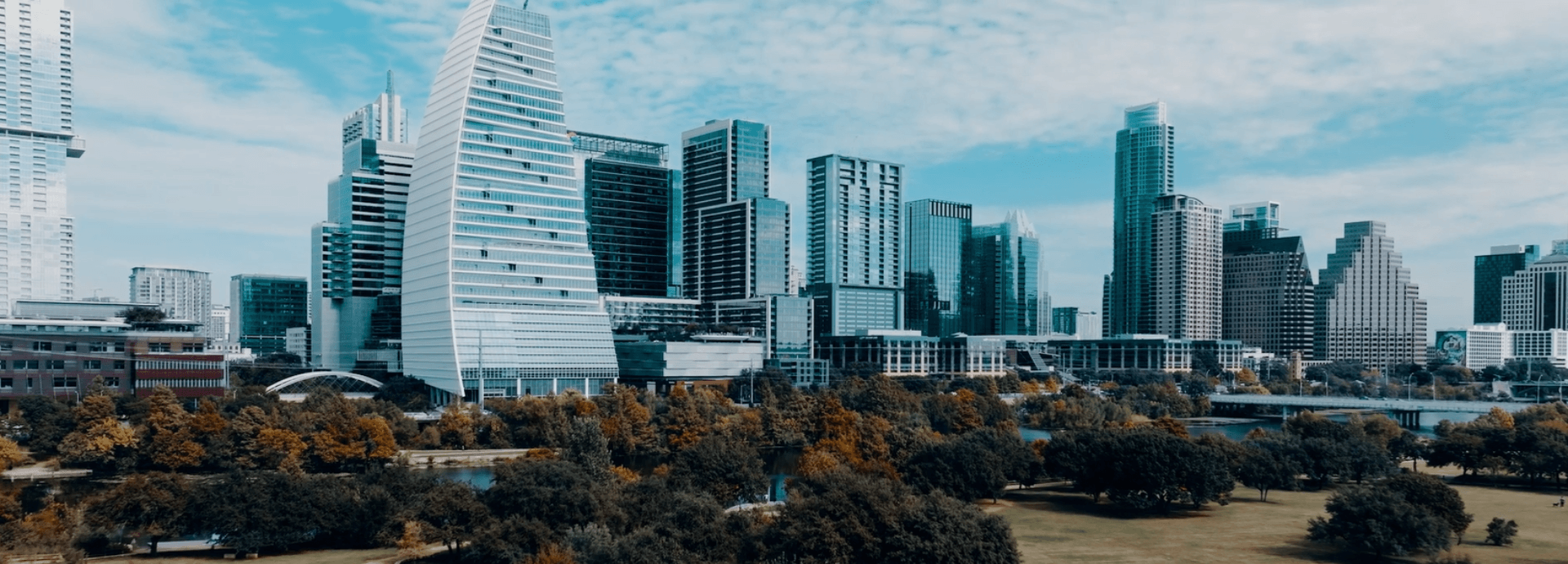
Energy and electricity form the backbone of contemporary society. Whether it's boiling water for tea or powering advanced industries, access to reliable energy is vital to our way of life.
As the world faces accelerating urbanisation, the intensifying effects of climate change, and rapid advancements in digital technologies such as artificial intelligence and cloud computing, the need and demand for reliable, clean, and affordable energy resources are at an all-time high. Transforming our energy systems to become more sustainable stands as one of the most significant and complex challenges we face today.
Renewable energy sources such as wind and solar now offer the most economical electricity, yet their variability makes it impossible for them to guarantee constant power on their own. The sun doesn’t always shine, and the wind doesn’t always blow. This is why a new paradigm of power system design is needed — one that focuses on flexibility and resilience. Recent widespread blackouts and global crises have underscored how essential it is for our energy infrastructure to be not only affordable and sustainable, but also robust and reliable for 24/7, 365 days a year.
The solution lies in the smart integration and strategic use of balancing power technologies. The two essential tools in this balancing toolbox are flexible power generation and battery storage. Rather than competing, these technologies complement each other, working in tandem to keep the grid steady. Batteries excel at managing rapid, short-term shifts in supply and demand, while flexible engine power plants bridge longer gaps and provide vital system stability. Together with renewables, these solutions create an energy mix that is both cost-efficient and exceptionally reliable.
This concept mirrors the familiar idea of work-life balance, achieving an optimal harmony between two elements. In the power sector, this means finding the right balance between the intermittent supply of renewable energy and constant power demand. Modern engine power plants are continually evolving to meet the needs of a clean energy future, offering improved efficiency, rapid response times, and the ability to operate on sustainable and zero-carbon fuels.
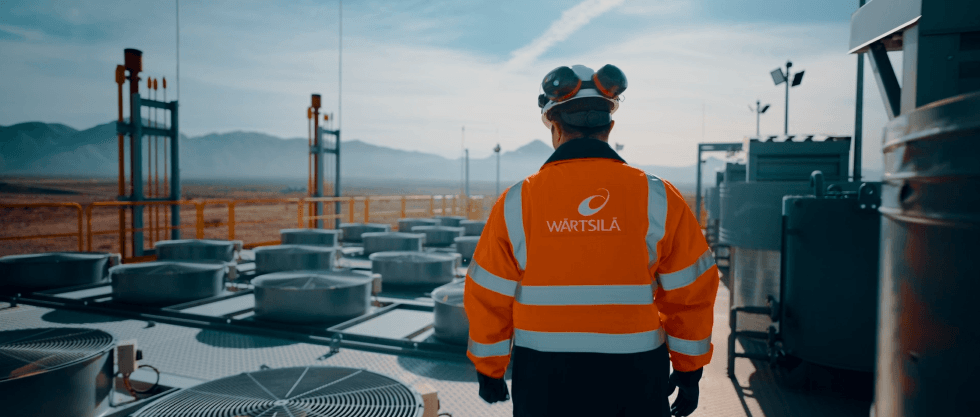
To navigate the increasing complexity of modern power systems, we must rely on power system modelling. This involves creating virtual maps of electricity systems for a country, city, or company using simulation software and public data. By incorporating factors like gas prices and weather forecasts, these models can identify the optimal mix of renewable and balancing power to achieve specific scenarios. A global analysis conducted by Wärtsilä in 2024 revealed that adding flexible engine power plants to a system of renewables and energy storage not only reduces costs significantly but also accelerates the reduction of CO2 emissions.
The technologies needed to decarbonise our power systems are already at our disposal. This gives us immense confidence that a low-cost, low-emission, and highly flexible energy future is well within our reach. The transition is challenging, but it is already happening and accelerating. Wärtsilä is committed to continuing to assist in accelerating the shift to renewable energy and the broader decarbonisation of the planet.
Watch the full documentary “The heartbeat of our societies: Transitioning towards a clean energy future”, and explore how Wärtsilä is shaping the future of energy on the Energy Transition page.
For more information, visit Wärtsilä's Engine Power Plants page, Energy Storage page, and Crossroads to Net Zero report on balancing technologies.
Once every six weeks, you will get the top picks – the latest and the greatest pieces – from this Insights channel by email.