Questions around grid reliability, energy access, long-term affordability and the increasing curtailment of renewables are becoming more urgent, especially in regions with fast-growing energy demand or aging infrastructure. The transformation needed requires holistic power system thinking to enable massive emission reductions while maintaining reliability, affordability and flexibility.
According to our recent Crossroads to Net Zero report, balancing technologies are the missing puzzle piece that will determine whether we truly succeed in building a 100% renewable energy future.
According to the International Energy Agency, 86% of new power capacity installed in 2023 was renewable, a promising sign that the world is moving in the right direction. However, it is not without its challenges. The sun doesn’t always shine, the wind doesn’t always blow, and our grids, of which many are designed for centralised legacy fossil fuel generation, are being pushed to their limits.
With this surge in renewables comes a paradox: the more we rely on variable energy sources, the more we need flexible, reliable technologies to stabilise the grid. This is where balancing technology steps in; not as an afterthought, but as a core enabler of the energy transition.
Flexible balancing solutions such as engine power plants and grid-scale energy storage respond rapidly to fluctuations in renewable generation. They act as the glue holding modern power systems together, keeping the lights on when renewables can’t deliver. 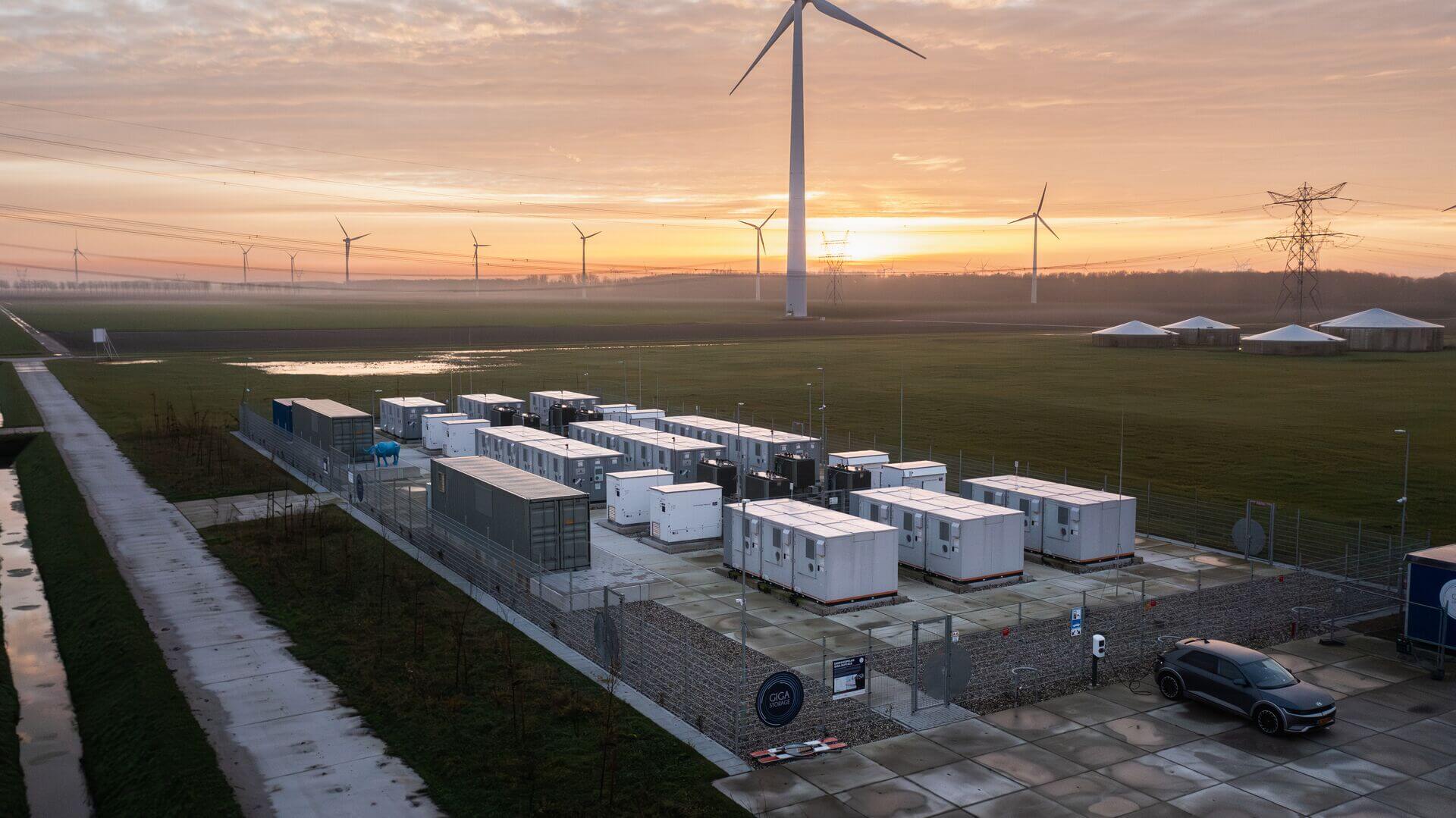
Our global Crossroads to Net Zero report shows that power systems with high shares of renewables and flexible balancing technologies are the most cost-effective, reliable, and sustainable pathways to a renewable energy future.
To achieve net zero by 2050, global coordination is crucial. Wärtsilä conducted power system modelling to evaluate different pathways to a net zero energy future by 2050. The Crossroads to Net Zero report examines two pathways: one focusing on renewable energy and storage (named renewables-only), and the other incorporating both balancing power plants and energy storage alongside renewables.
The findings show that the alternative with balancing power plants and energy storage is faster, more cost-effective, and uses less land. It achieves net zero with 42% cost savings, 21% lower emissions, and half the land use compared to the renewables-only approach. This is due to reduced energy wastage and no overbuilding of renewables.
The study also highlights that most emission reductions can be achieved even before sustainable fuels are introduced. Including balancing power plants is essential for a reliable and optimised renewable energy system, reducing reliance on inflexible assets like coal plants and accelerating emissions reductions. Co-ordinated action in renewables expansion, market reforms, and leveraging existing technologies is needed for a timely and cost-effective transition to net zero.
Key benefits when adding balancing power plants:
• EUR 65 trillion reduced costs: balancing power plants can cut future power system costs by 42%, saving approximately EUR 65 trillion.
• 21% reduced emissions: adding balancing power can lower cumulative CO₂ emissions by 21% between now and 2050, compared to the renewables and storage-only approach.
• 88% less wasted energy: balancing power allows for better power system optimisation, resulting in 88% less wasted energy due to renewable curtailment by 2050.
• 50% less renewable capacity and land needed: by incorporating balancing power plants, we can halve the required renewable capacity and significantly reduce the land needed for wind and solar infrastructure.
Yet too often, outdated regulations and investment models hold us back. Power systems continue to be planned and built using legacy frameworks that prioritise cheap short-term generation solutions over system optimisation (which in the long term actually becomes the more cost-effective solution). This narrow focus risks driving up costs, providing unreliable energy, creating stranded assets, and slowing down decarbonisation.
Given the urgency of co-ordinated global action to achieve net zero by 2050, governments, utilities, and investors need to align around holistic system-level thinking. It’s time to put insights into action. The tools and technologies we need are already available. What’s needed now is the will to act, and the foresight to build power systems that can stand the test of time. That means rewarding flexibility, encouraging innovation, and making decisions that consider the full life-cycle cost of power.
Another key takeaway from our research is that there’s no single formula for success. Each country’s journey to net zero will look different. But across all the scenarios we studied, one thing is clear: balancing technology is always essential. Whether it's dealing with prolonged rainfall in Southeast Asia, unexpected winter freezes in the US, or the increasing energy demand in Africa, the integration of balancing technologies to support renewables is the key factor in achieving a successful energy transition.
A call to act
We need to shift our mindsets, become more pragmatic and commit to designing smarter systems that are flexible, future-proof, and fit for purpose.
Balancing technology is the backbone of our energy future. As we chart the path forward, it is time to give it the recognition and investment it deserves.
For a deeper dive into the data, scenarios, and real-world examples behind these insights, I encourage you to explore the full Crossroads to Net Zero. This is more than a report, it’s a call to action for energy leaders around the world who are ready to lead the transformation.

Once every six weeks, you will get the top picks – the latest and the greatest pieces – from this Insights channel by email.