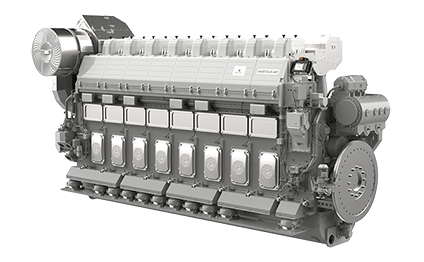
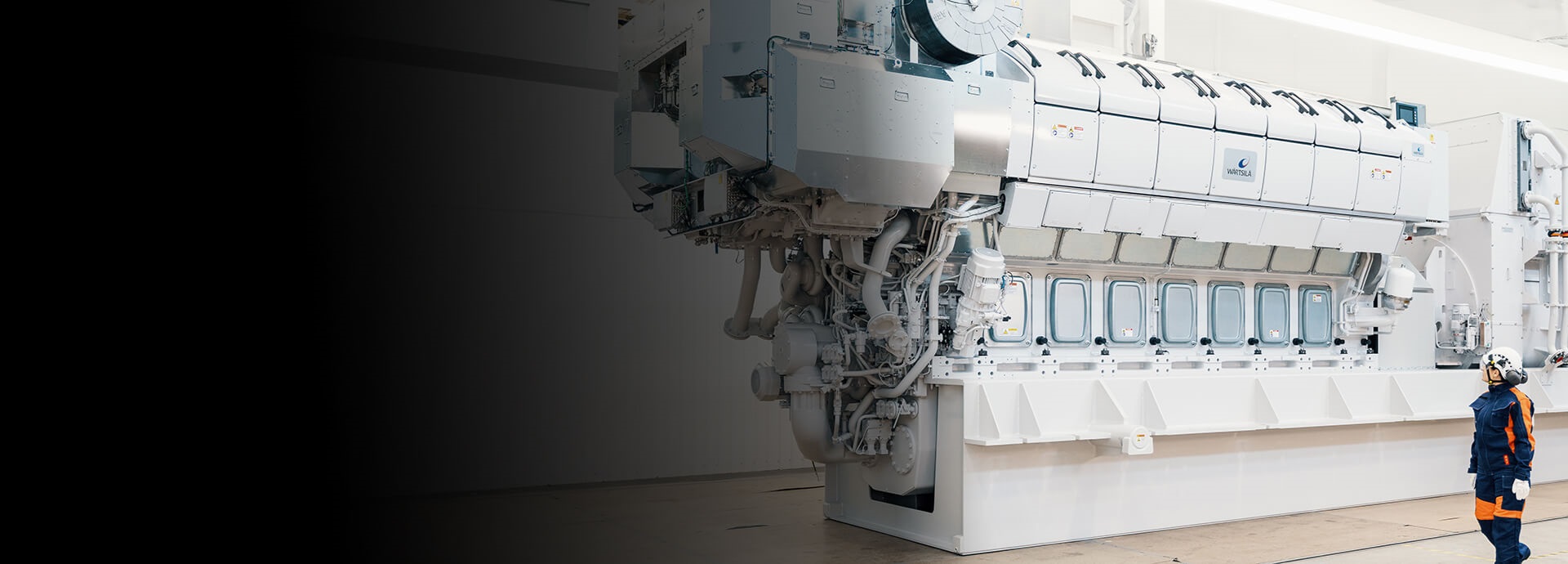
Wärtsilä ship diesel engines provide proven propulsion and onboard power for a wide range of vessels, designed for reliable operation and high fuel efficiency across real‑world operating loads.
Engine selection depends on:
Wärtsilä offers a broad portfolio of marine diesel engines supported by digital tools and OEM‑validated emissions solutions.
The following key facts summarise Wärtsilä’s marine diesel engines:
Wärtsilä marine diesel engine types:
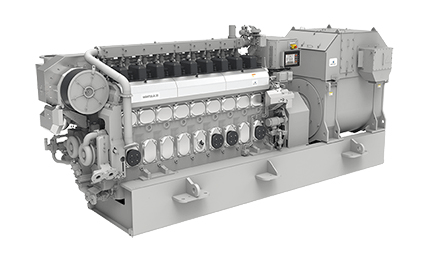
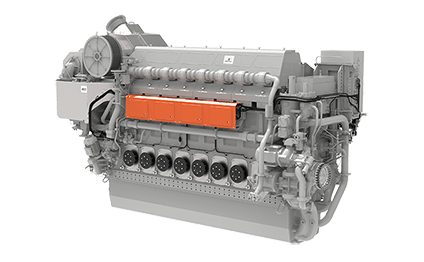
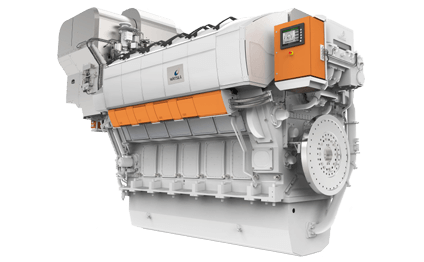
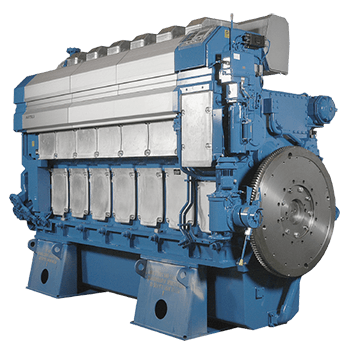
As one of the world’s leading ship diesel engine manufacturers, Wärtsilä offers a broad portfolio of medium‑speed diesel engines for propulsion and onboard power across marine segments.
NOTE! Typical applications are the most common ones: the engine can be the most suitable for other applications as well.
Key features
Compact and lightweight engine.
Long and proven service record.
Typical applications
Auxiliary power across a wide range of vessel types, e.g. PCTC car carriers
Main propulsion for smaller vessels like tugs and smaller OSVs
Key features
Compact, modern engine covering a broad power range.
Outstanding fuel efficiency.
Typical applications
Suitable for propulsion and auxiliary power, with flexibility to support different machinery concepts.
Wärtsilä 25 hybrid propulsion offers best fuel economy for small merchant vessels.
Key features
Best fuel economy in its class.
Silent comfort for passenger and fishing vessels.
Typical applications
Main propulsion where efficiency and optimised power are key.
Key features
Robust and proven engine designed for reliable, continuous operation in demanding marine environments.
Typical applications
Main propulsion and onboard power for vessels requiring heavy-duty operation.
Key features
A medium-speed diesel engine with high power density.
Supports a wide range of fuels.
Typical applications
Main propulsion for larger vessels and applications with high power requirements.
Looking for marine generating sets?
Choosing the right ship diesel engine requires looking beyond nominal power output and considering how the engine will perform, be maintained, and deliver value over the vessel’s entire lifetime. Fuel efficiency under real operating conditions is one of the most important factors influencing lifecycle performance and vessel efficiency. For operation in IMO Tier III areas, diesel engines require an SCR after‑treatment system, the Wärtsilä NOx Reducer (NOR).
1. Fuel efficiency across real operating loads
When comparing diesel engines, focus on fuel efficiency across the full range of operating loads, not only at a single reference point. Vessels rarely operate at one fixed load, so efficiency at part‑load and varying operating conditions has a direct impact on operating costs.
2. Service costs and what they include
Maintenance cost comparisons should be based on what is actually included. Service intervals, inspection‑dependent parts, and maintenance of engine‑driven equipment all influence the true lifecycle cost of a diesel engine.
3. Time between overhauls and maintenance strategy
Time between overhauls affects vessel availability and long‑term costs. Engines that support condition‑based or predictive maintenance can allow maintenance schedules to be optimised based on actual engine condition rather than fixed intervals.
4. Engine sizing and output per cylinder
Selecting the right engine size is critical. Oversized engines tend to operate at low loads more often, reducing efficiency and increasing running costs. Engines with higher output per cylinder can meet power requirements with fewer cylinders, supporting more compact installations and simpler maintenance.
5. Installation and maintenance practicality
Ease of installation and maintenance should be considered early. Modular engine designs and clear maintenance procedures can reduce installation risk, simplify service work, and help maximise engine uptime throughout the vessel’s lifetime.
6. Load response and operational demands
For vessels that operate with frequent power changes – such as during manoeuvring, port operations, or demanding sea conditions – engine load response plays an important role in operational efficiency and vessel performance.
For a more detailed discussion of these considerations and the questions to ask when comparing engines, see Insider’s guide to ship engines: 11 tips that help you make the best choice.

Wärtsilä ship diesel engines are applied across a broad range of vessel types, with references covering different operating profiles, lifecycle stages, and marine environments.
Bulk carriers and general cargo vessels
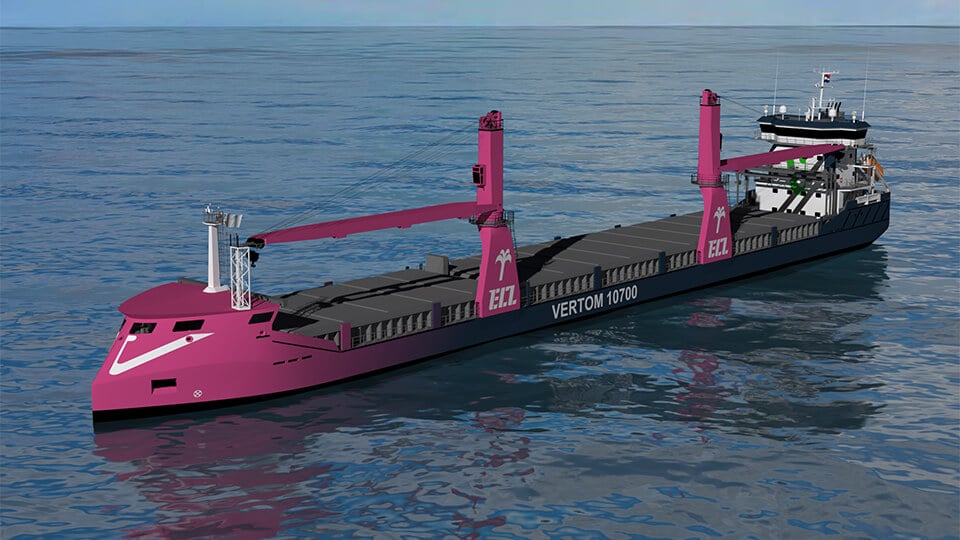
Engine performance for efficient merchant vessel operations
Case Vertom Group: This reference demonstrates how Wärtsilä medium-speed engines support flexible, efficient propulsion in modern general cargo vessels.
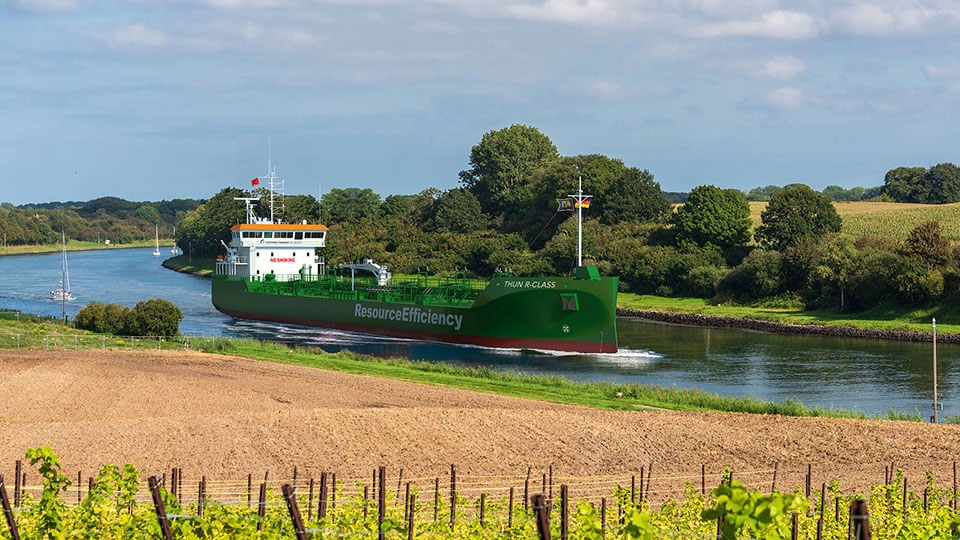
Future ready engine performance in short sea shipping
Case Erik Thun AB: How Wärtsilä’s medium speed engine platform supports efficient operation today while enabling future fuel and technology upgrades.
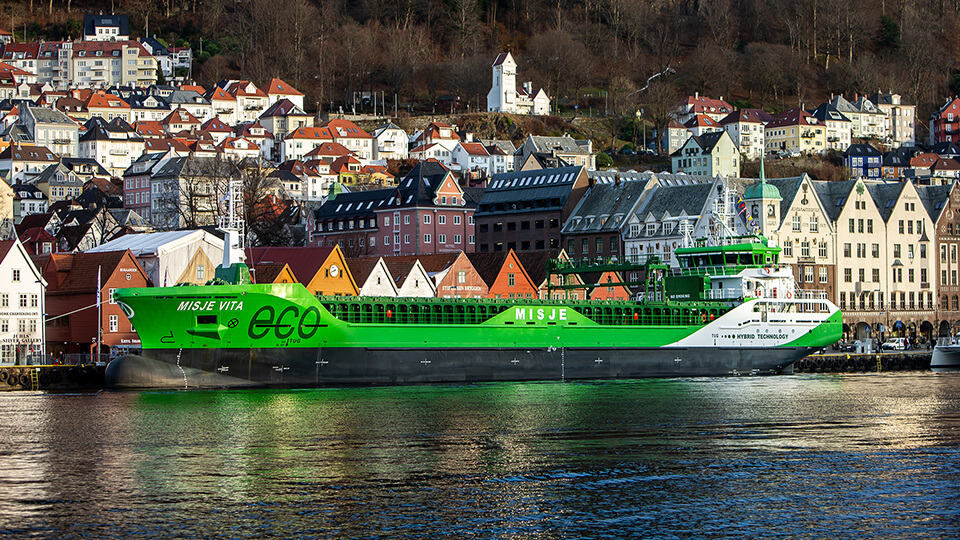
Improving diesel engine efficiency through intelligent system integration
Case Misje Vita: How optimised load management enables Wärtsilä engines to deliver significantly lower fuel consumption in bulk carrier operations.
Fishing vessels – proven diesel engine performance in demanding operations
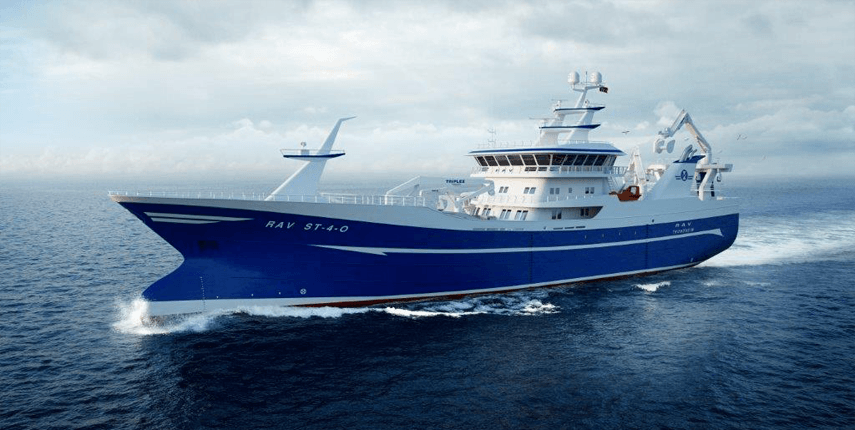
Case Peter Hepsø Rederi AS: This customer reference illustrates how Wärtsilä medium‑speed diesel engines are selected for fishing vessels operating in harsh conditions, where fuel efficiency, reliability, and low noise levels are critical to daily operations.
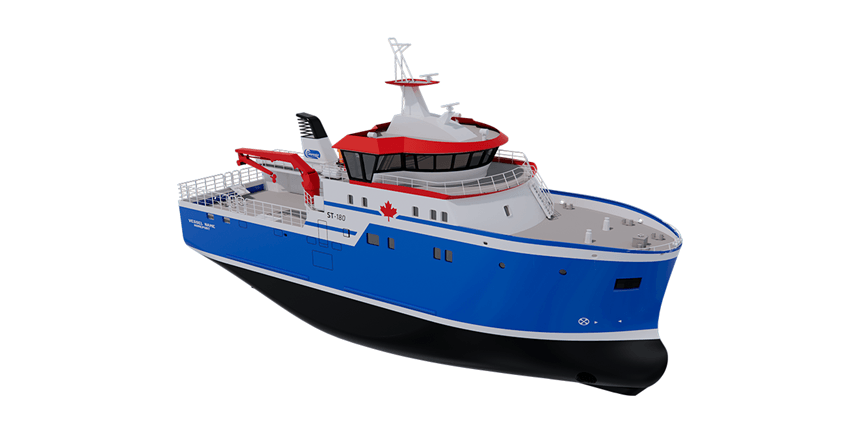
Case Clearwater Seafoods: This engine selection highlights how Wärtsilä diesel engines are chosen for modern fishing vessels requiring efficient propulsion, emissions compliance, and reliable performance across varied operating modes.
Ferries and passenger vessels
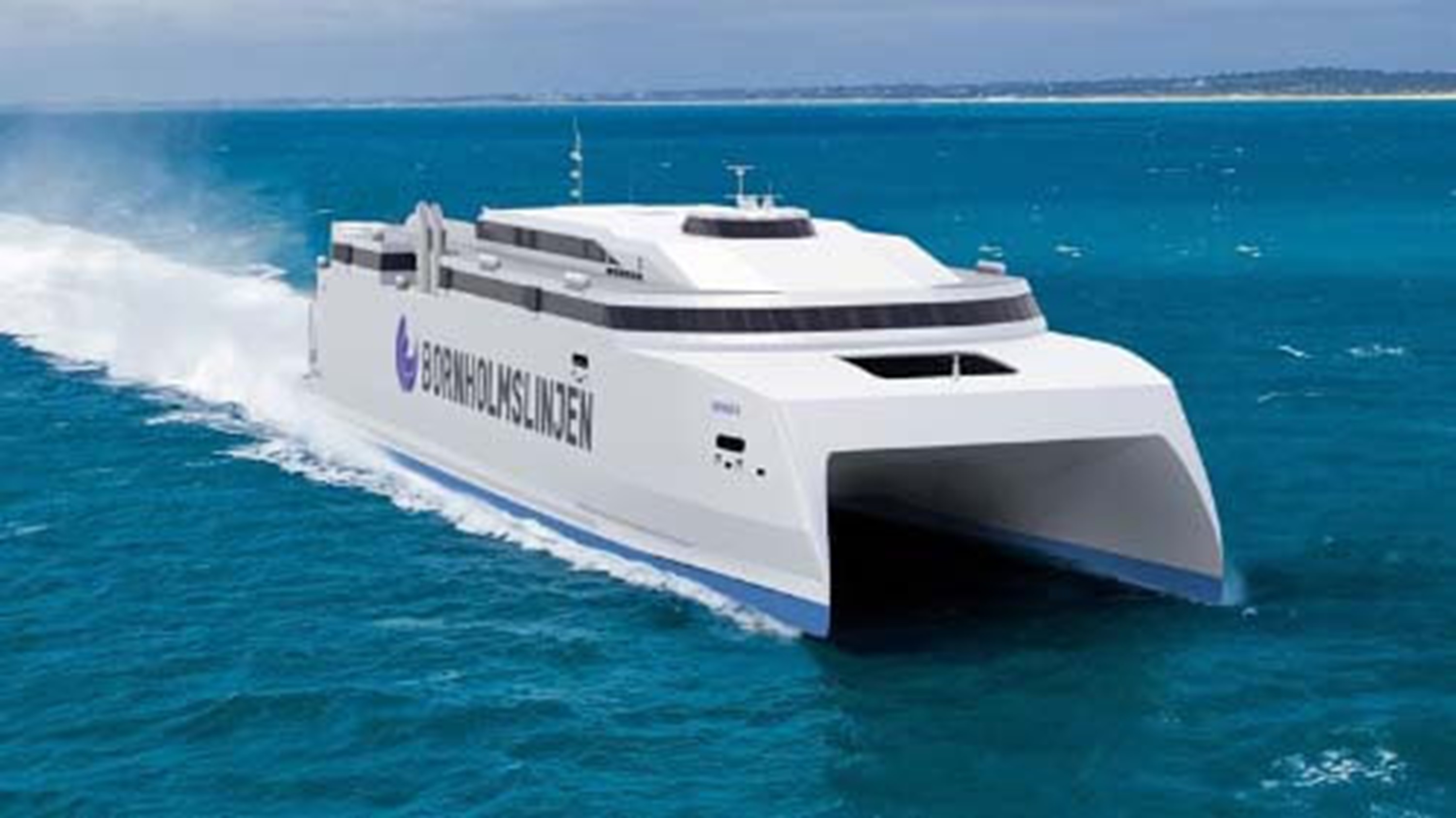
Powerful engines for demanding ferry propulsion needs
An example of Wärtsilä engines applied in high‑speed ferry operations requiring high power output, efficiency, and dependable performance.
Inland and river vessels
Newbuild engine selections for reliable, low‑emissions operation
Case AMAGGI: This case highlights how Wärtsilä medium‑speed engines are chosen for newbuild vessels where operational reliability, emissions performance, and fuel flexibility are critical — including continuous operation in high‑load river transport.
Diesel engine retrofits for efficiency improvements
Case ADM Naviera Chaco: An example of Wärtsilä engines selected to upgrade inland waterway vessels and improve operational performance over their remaining service life.
Use the engine configurator, product guides, and 3D drawings to access detailed engine specifications

If you need support with engine selection or specification, Wärtsilä experts are here to help.