

Wärtsilä’s in-situ machining services restore large, installed components directly at your site – onboard a vessel, in port, or at an energy or heavy-industry installation. You avoid dismantling and transport, because the machining is done where the equipment is installed.
This helps you reduce downtime and avoid unnecessary costs. It’s used both for planned maintenance findings and for time-critical repairs after damage or failure.
In-situ machining is typically used in two types of situations, depending on the condition of the equipment and the urgency of the repair.
1. During planned maintenance
Identify and address wear early, before it leads to failure or unexpected downtime.
2. After equipment failure
Restore damaged components at site to recover quickly and limit operational impact.
This support is delivered as part of Wärtsilä’s broader service approach, combining field execution with engine knowledge and lifecycle understanding.
In-situ machining (also called on-site machining, in-place machining, or onboard machining) means doing precision machining directly on installed equipment. Large components stay where they are, instead of being removed and sent to a workshop. Portable tools are used for work such as boring, milling, grinding, turning, or flange facing.
In many marine applications, in situ machining enables engine and machinery repair without removing large components from site, supporting faster return to service.
It is often used when equipment is too large or critical to dismantle, or when time and logistics make removal unrealistic.
Wärtsilä’s in‑situ machining services follow a structured, well‑proven process designed to restore critical equipment efficiently and safely – without removing large components from site. They are part of Wärtsilä’s wider service offering, which means they can be combined with maintenance activities and other repair work on your equipment.

1. Assessment and scope definition
Each assignment begins with a technical assessment of the equipment condition and repair feasibility. Based on the findings, the machining scope, tolerances, methods, tools, and acceptance criteria are defined, taking into account operational requirements, safety considerations, and applicable standards.

2. Planning and mobilisation
Once the scope is agreed, the machining activity is planned in detail. This includes selecting suitable portable machining equipment, preparing work plans, and coordinating site readiness. The approach supports both planned maintenance activities and time‑critical repair situations.

3. On‑site machining and restoration
Precision machining is carried out directly on the installed equipment using specialised portable tools. Typical operations include boring, milling, grinding, turning, and flange facing to restore functional surfaces, alignment, fit, and sealing interfaces.

4. Verification and documentation
After machining, critical dimensions and surfaces are verified through measurement and inspection. Clear documentation is provided to support quality assurance and informed decision‑making before returning equipment to service.

5. Return to operation
With machining completed and verified, the equipment is ready for reassembly (if required) and return to operation – while avoiding the delays and costs associated with dismantling and transport.
See how it works
Watch how Wärtsilä delivers fast on site engine repair through in situ machining, mobilising specialist teams and tools directly to the installation.
In‑situ machining is used across a wide range of marine and energy/heavy‑industry applications where large or critical components cannot be easily removed for workshop repair. By restoring dimensions, alignment, and functional surfaces directly at site, in‑situ machining helps extend asset life and maintain operational reliability.
Marine engine and machinery applications
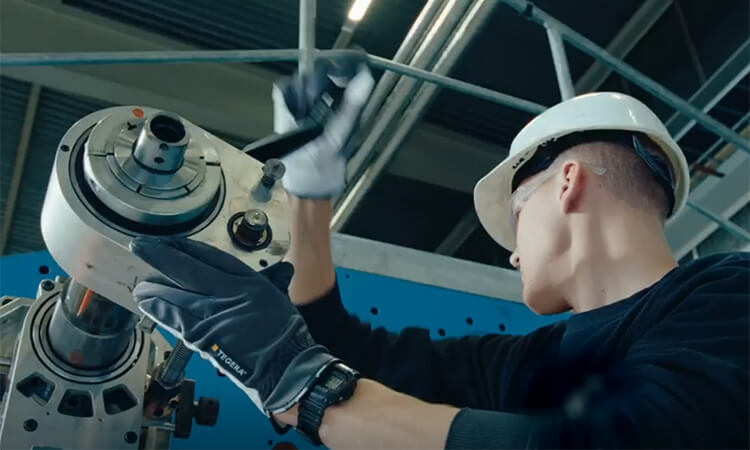
In‑situ machining is typically selected when:
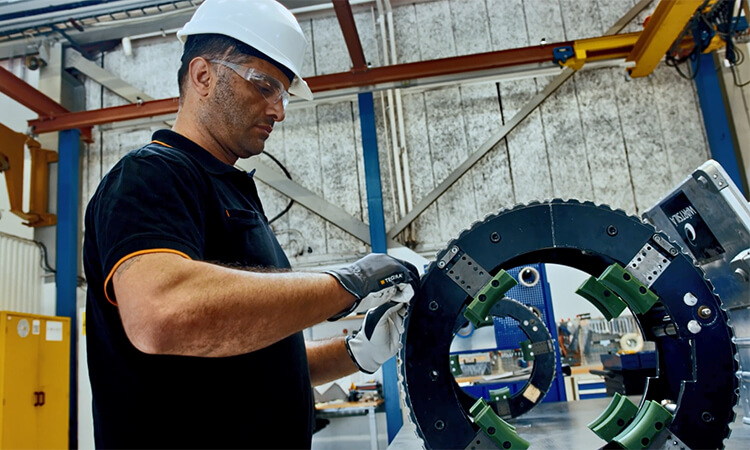
Quality and safety are fundamental to all Wärtsilä in‑situ machining services. Each onsite machining activity is delivered using controlled, standardised ways of working that protect personnel, equipment, and operational integrity while achieving precise, repeatable outcomes.
Standardised procedures cover assessment, machining, verification, and documentation to help ensure consistent quality across locations and operating environments. In‑situ machining is performed by trained specialists using purpose‑built, portable machining equipment selected to match each task.
Machined surfaces and critical dimensions are verified through measurement and inspection, and clear documentation supports transparency and quality assurance. Where applicable, Wärtsilä supports customers with information and documentation needed for discussions with classification societies or other relevant stakeholders.
In-situ machining involves tight tolerances and critical equipment. You need a partner who can work safely, deliver repeatable quality, and document the results.
Wärtsilä provides in-situ machining services through strategically positioned teams, and this helps you get support for both planned work and urgent repairs - from the Americas to Asia.
As an OEM and service provider, Wärtsilä combines equipment knowledge with a structured way of working. The services supports both planned maintenance machining and more extensive repairs after damage or failure.
Our approach is standardised across assessment, machining, verification, and documentation. Where relevant, we also support customers with information for discussions with classification societies and other stakeholders.
In-situ machining is available for Wärtsilä and non‑Wärtsilä equipment. That makes it suitable for mixed fleets and diverse marine and energy/heavy-industry installations.
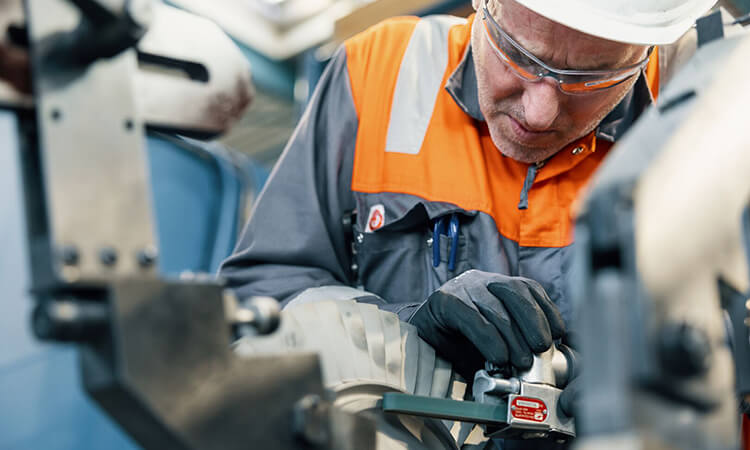
Every repair situation is different. Whether you are planning upcoming maintenance or assessing options after unexpected equipment damage, understanding what can be restored at site is often the first step toward reducing downtime and cost. Discussing your situation with experienced specialists helps clarify feasibility, scope, and the most suitable repair path – before decisions become urgent.