
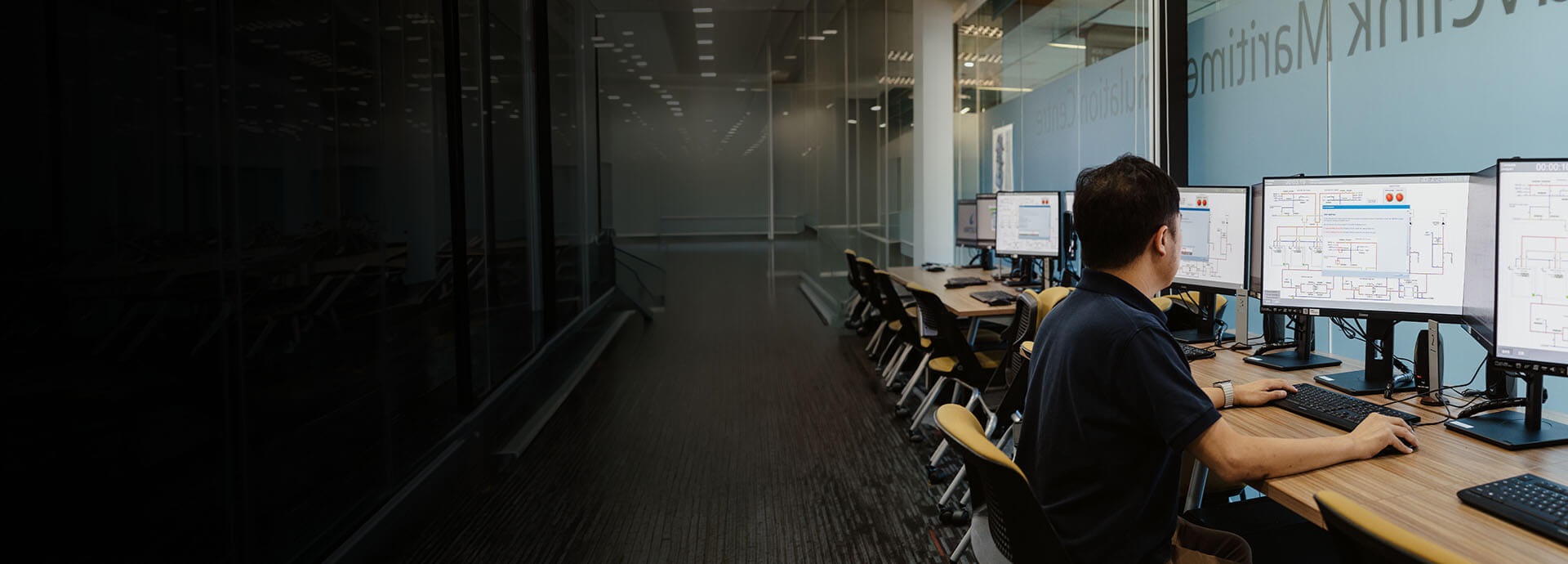
man sits in front of simulator monitors
Wärtsilä Alternative Fuels Training

Simulation‑based training to support safe, compliant operations with LNG, methanol and emerging marine fuels.

Wärtsilä Alternative Fuels Training Solution

The transition to alternative marine fuels is accelerating. LNG, methanol, and other low‑ and zero‑carbon fuels are reshaping vessel design, onboard systems, and operational procedures. Alongside new technologies, new competencies are essential to ensure safe, compliant, and efficient operations.

Wärtsilä Alternative Fuels Training Solution provides simulation‑based training that equips maritime professionals with the skills and confidence required to work safely with emerging fuels both today and as the fuel landscape continues to evolve.

The solution provides realistic simulation environments and training scenarios that can be incorporated into customer training programmes and fuel-specific learning pathways.


At a glance

  • What it is: A simulation-based training solution for methanol and LNG.
  • Why it matters: Supports safe operations and regulatory compliance as fleets transition to low‑ and zero‑carbon fuels.
  • How it works: High‑fidelity simulators replicate fuel‑specific systems, bunkering processes, and safety logic in a risk‑free environment.
  • Where it applies: Ship operators, training centres, and organisations preparing crews for LNG, methanol, and future fuel operations.

Why new fuels demand new training approaches

Alternative fuels introduce different physical properties, bunkering processes, and safety considerations compared to conventional fuels. These differences create new operational risks that cannot be addressed through generic fuel training alone.

Simulation‑based training enables crews to understand and experience these risks in a controlled, safe environment before operating real systems under live conditions.

What crews learn in future fuels training

Wärtsilä's alternative fuels simulators allow trainees to practise:

  • Fuel‑specific bunkering procedures
  • Normal operations, abnormal situations, and emergency response
  • System behaviour under varying operating conditions
  • Correct use of safety systems, interlocks, and automated controls

This approach supports deeper understanding, safer behaviour, and improved operational readiness across evolving fuel technologies.
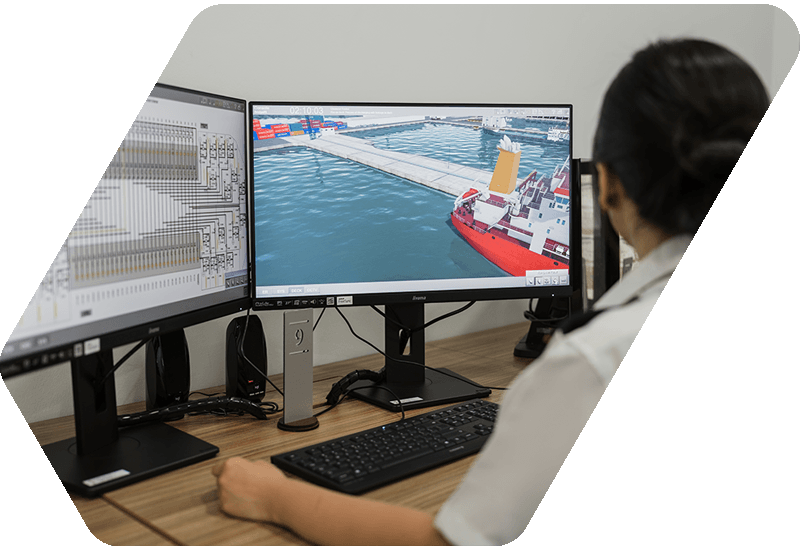
woman sits in front of simulator monitors

Simulation-Based Learning Environment

Training is delivered using high‑fidelity simulation models that reflect real system logic and operational behaviour. Instructors can introduce faults, alarms, and emergency scenarios that would be unsafe or impractical to practise on real equipment.

This enables trainees to build both technical competence and decision‑making capability in situations they are likely to encounter at sea.

Where it applies

Alternative Fuels Training is relevant for:

  • Engine room personnel working with alternative fuels
  • Crews involved in fuel bunkering and fuel system operations
  • Fleet operators transitioning to mixed‑fuel or alternative‑fuel vessels
  • Maritime academies and training centres preparing crews for decarbonised shipping

Training can be tailored to different vessel types, fuel systems, and operational profiles.
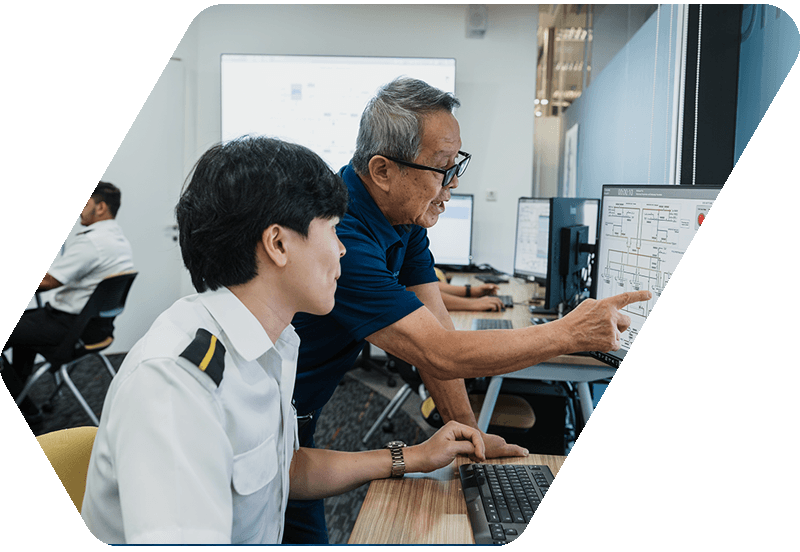
man sits in front of simulator monitors

Delivery and implementation

Covering today’s transition fuels and tomorrow’s

Wärtsilä’s alternative fuels training portfolio currently supports key fuels driving maritime decarbonisation, including LNG and methanol, with solutions designed to expand alongside industry developments.

Training solutions can be delivered as:

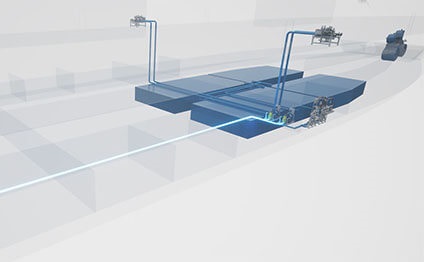
  • Fuel‑specific bunkering simulators
  • Integrated technological simulators within engine room environments
  • Physical or cloud‑based training setups for flexible delivery

This enables operators and training organisations to build structured learning pathways across multiple fuels as fleets diversify.

Designed for safety, compliance, and competence

Alternative Fuels Training solutions support training aligned with applicable international regulations and guidelines, including the IGF Code, while enabling organisations to go beyond minimum compliance.

Simulation allows trainees to experience faults, alarms, and emergency scenarios repeatedly, building confidence and consistency in safety‑critical operations.


Why Wärtsilä?

  • Deep expertise in marine fuels, systems integration, and simulation technology
  • A unified simulation platform spanning navigational, technological, and fuel‑specific training
  • High‑fidelity models reflecting real system behaviour and operational logic
  • Flexible delivery options supporting classroom, full‑mission, and remote learning

Frequently asked questions

Which fuels are currently covered by Wärtsilä’s alternative fuels training solutions?

Current solutions support key transition fuels such as LNG and methanol, with future expansion aligned to industry developments.

Is the training aligned with regulatory requirements?

Yes. Training supports alignment with applicable international regulations, including the IGF Code, while allowing instructors to go beyond minimum requirements.

Can alternative fuels training be integrated into existing simulators?

Yes. Training can be delivered as standalone fuel‑specific simulators or integrated into existing technological and engine room simulation environments.

Is cloud‑based delivery available?

Yes. Solutions can be deployed as physical, hybrid, or cloud‑based training setups depending on operational and organisational needs.

Get started with Wärtsilä Future Fuels Training

Wärtsilä Alternative Fuels Training Solutions helps organisations prepare crews for the safe introduction and operation of alternative marine fuels.

Whether you are introducing LNG or methanol today, or preparing for future fuels tomorrow, Wärtsilä can support you with scalable, simulation‑based training tailored to your fleet and training strategy.
Wärtsilä Marine. Let's connect.