
Navigating the world of European energy policies and regulations can at times feel like trying to solve a Rubik’s cube in the dark. But behind all that complexity lies a clear mission: making Europe more sustainable and increasing energy security. For anyone involved with developing or operating combined heat and power (CHP) plants, understanding this landscape isn’t just helpful—it’s essential.
From big-picture strategies like the Fit for 55 package to the finer details of how reserve power is managed, the regulatory world can sometimes feel overwhelming with its sheer number of policies but also the level of details. In this article I aim to demystify and shed light on the key European regulations impacting and shaping the combined heat and power (CHP) plant landscape. By making sense of these important policies, industry players can chart a clearer path in this ever-evolving energy market.
The European Green Deal, introduced in 2019, is a bold initiative designed to reshape Europe’s energy landscape and promote sustainability. It aims to create a cleaner, healthier, and climate-neutral Europe by fundamentally transforming how we produce and consume goods and energy. The Green Deal encompasses a wide range of policy areas, all striving to make sustainable development and environmental responsibility a reality for everyone.
When it comes to gas engines and CHP systems, two policies stand out as particularly significant. First, the Renewable Energy Directive (RED III) sets a target that 42% of European Union’s final energy consumption must come from renewable sources by 2030. Second, the Fit for 55 package aims for a 55% reduction in greenhouse gas emissions by 2030.
These ambitious policies are driving a shift toward renewable energy and emission reductions. That means demand for flexible, highly efficient solutions like gas engines is increasing. CHP power plants are a smart choice as they produce both electricity and heat at the same time, resulting in higher efficiency and lower emissions compared to separate heat and power production.
As businesses and governments align with the Green Deal’s goals, investing in CHP engines and other sustainable energy technologies will play a key role in building a sustainable and climate-neutral future for Europe.

The Energy Efficiency Directive (EED) is a key regulation that sets the standards for what qualifies as efficient in district heating across Europe. If you’re working in the energy sector, understanding this directive and its requirements is essential.
The EED sets out a clear timeline. Right now, CHP engines running on natural gas can contribute to efficient district heating on their own until 2034. From 2035 onward, though, compliance will require a portfolio approach that brings together CHP engines with renewable heat sources like heat pumps and electric boilers. Then, looking past 2050, CHP engines will need to run exclusively on sustainable fuels to keep up with EED requirements.
Complying with the EED is not only about ticking the compliance box. It also supports Europe’s broader sustainability and environmental goals by accelerating the sift toward renewables.
The European Union taxonomy serves as a classification system, guiding Europe’s transition toward a more sustainable energy future. It provides acriteria for identifying environmentally responsible activities, helping organisations align their investments with long-term sustainability goals. While complying with taxonomy is not mandatory, it significantly enhances access to financing and public subsidies, making compliance a sound business decision.
Under carefully defined conditions, CHP engines not only displace high-emission coal but can also transition towards fully renewable fuels such as biogas, synthetic methane, or green hydrogen. This technological flexibility not only supports compliance with the EU Taxonomy but also potentially unlocks additional funding and financial incentives.
Adopting these standards allows businesses to reduce their carbon footprint and future-proof their investments while benefitting from financial support and opportunities. Moreover, these efforts reinforce the broader governmental vision: fostering sustainable and resilient energy systems for the decades ahead.
In recent years, the political landscape towards capacity mechanisms has undergone a major shift. Still just a few years ago, capacity mechanisms were thought of as a “temporary, last-resort” fix. Fast forward to today, and they’ve evolved into a foundational cornerstone of European energy market design.
Currently, six capacity mechanisms are operating across Europe, with more countries considering one to ensure security of supply. For CHP engines this is great news as these engines are eligible for capacity payments under all existing mechanism because they deliver firm capacity to the electricity system. Thanks to their proven high availability and reliability, the de-rating factors for gas engines are among the highest of all technologies, which translates into higher capacity payments and a stronger business case for those investing in CHP engines.

While intermittent renewables continue entering the grid, the need for ancillary services has surged. Europe has in recent years made great strides toward harmonising and promoting open trading of ancillary services. Initiatives such as the Manually Activated Reserves Initiative (MARI) and the Coordination of Automated Frequency Restoration and Stable System Operation (PICASSO) play a practical role in shaping the region’s energy markets. These projects are helping to create a more flexible and reliable grid, offering new opportunities for participants and supporting the ongoing integration of renewable energy.
The core aim behind these initiatives is to create a European platform for the exchange of balancing services, specifically from frequency restoration reserves by utilising both automatic (aFRR) and manual (mFRR) activation methods. Most of European transmission system operators (TSOs) actively participate in these initiatives which contributes to the greater goal of grid stability and efficiency.
Here CHP engines have a key role to play. Thanks to their flexibility and rapid start-up capabilities, CHP engines can provide both automatic and manual reserves in non-spinning mode. This means they save fuel, reduce operating costs and provides benefits to both the grid and their owners by supporting renewable integration while unlocking new revenue streams – CHP engines are essential in today’s dynamic energy market.
As European energy policies increasingly set clear timelines for phasing out fossil fuels, both at the EU level and within individual national policies, businesses face growing pressure to rethink long-term investments. With asset lifecycles spanning decades, the risk of stranded assets has become a genuine concern for those in the energy sector. How can businesses future-proof their assets?
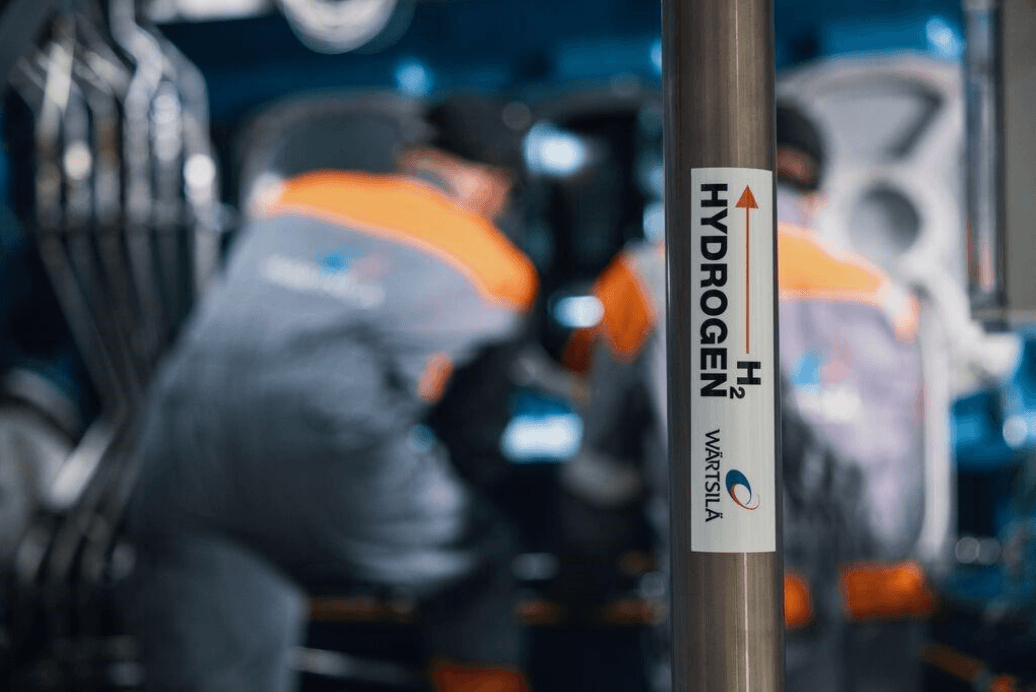
Fortunately, some technologies are already helping bridge the gap to a lower-carbon future. For instance, some gas engines, including those from Wärtsilä, can already today operate with up to a 25 vol% hydrogen blend. This capability positions them well for compliance with future regulatory standards.
However, looking ahead, full compatibility with hydrogen will be key to future-proofing energy assets. Hydrogen-readiness is quickly gaining traction as both a crucial value driver and a risk mitigator, enabling a practical and incremental transition toward full decarbonisation. In 2024, Wärtsilä launched the world’s first large-scale, 100% hydrogen-ready engine power plant, marking a significant milestone in the transition towards sustainable energy solutions.
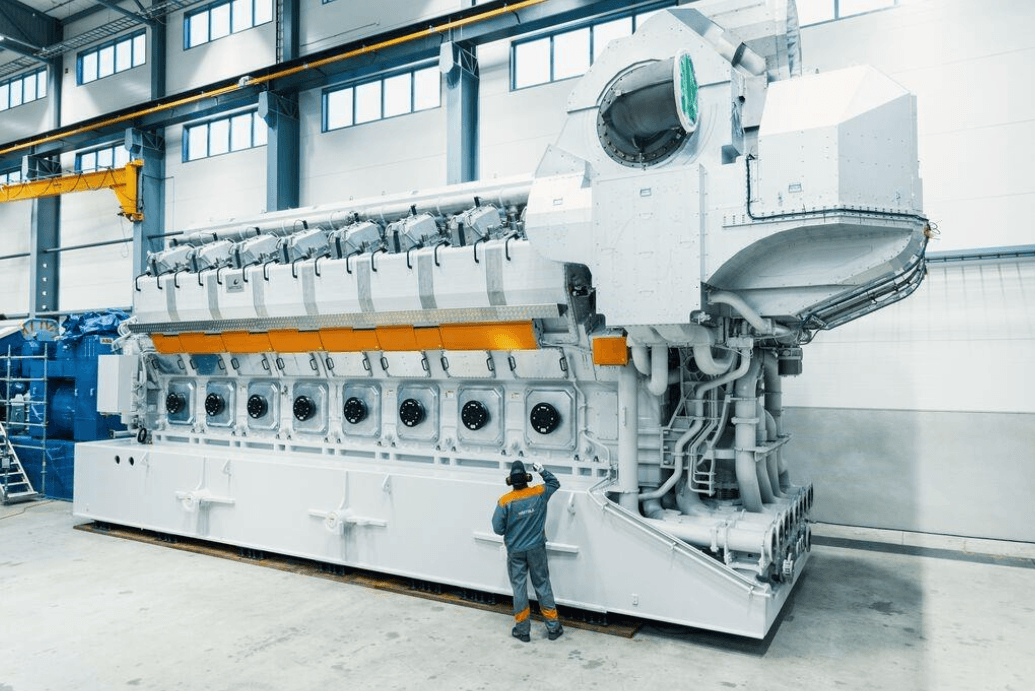
CHP engines are quietly transforming how businesses approach energy, aligning closely with Europe’s drive toward sustainability, efficiency, and lower-carbon solutions. Whether it’s the European Green Deal or the Energy Efficiency Directive, the regulations coming down the pipeline highlight one thing: we need energy systems that are both flexible and efficient.
As Europe progresses towards its ambitious climate and energy goals, investing in CHP gas engines will be pivotal in achieving a sustainable and resilient energy landscape. CHP engines actively help companies reduce emissions, improve energy independence, and tap into financial benefits that might otherwise go unnoticed. Businesses that embrace these innovative solutions will be well-positioned to benefit from future opportunities, ensuring long-term sustainability and profitability.
In short, CHP engines are not just about meeting regulations—they’re about building smarter, more adaptable businesses for the road ahead.
Once every six weeks, you will get the top picks – the latest and the greatest pieces – from this Insights channel by email.