
The urgent need to transform the energy system to drive decarbonisation and reduce our carbon footprint has been recognised globally. Action needs to be swift, and new innovations shaping the industry embraced.
Renewables have been rapidly transforming power systems over the past decade, while the demand for new types of sustainable fuels has simultaneously increased. According to the International Energy Agency (IEA), the global use of biofuels will nearly double by 2030. Hydrogen is the word on everyone’s lips, able to provide a variety of carbon neutral solutions when combined with the right technology. However, challenges for availability and affordability exist.
Flexible power plants running on sustainable fuels form a combination that offers long-term storage solutions, balancing grids in an affordable and sustainable way. Hydrogen holds great potential as an enabler in developing sustainable solutions in the fight against climate change. The IEA has estimated that the demand for low-emissions hydrogen might even triple by 2030. Wärtsilä, a technology company dedicated to supporting the transition towards a renewable energy future through its innovative solutions and new technologies, launched the world’s first large-scale 100% hydrogen-ready engine power plant concept last year. This was a significant leap compared to the existing technology, as it can run on natural gas and 25 vol% hydrogen blends.
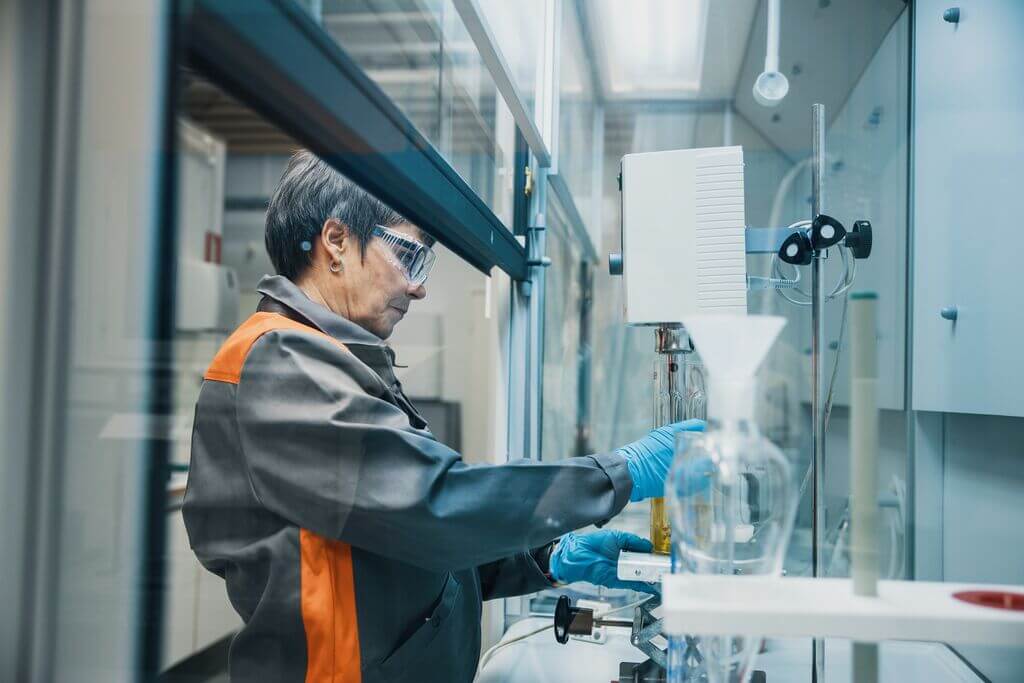
However, hydrogen is not the only solution. Wärtsilä is actively researching various sustainable fuels and designing new technologies to provide future-proof energy solutions. Sustainable fuels offer us a pathway towards decarbonisation, but this requires collaboration, innovation, and a spark of creative courage. Wärtsilä’s wide range of professionals are determined to solve the challenge and work daily to find solutions that will bring us closer to a better and balanced tomorrow.
This year, Wärtsilä partnered with Brazilian energy company Energetica Suape II S.A to conduct the world’s-first engine power plant test to convert sugarcane into clean power. Fredrik Östman, Upgrades Business Development Manager at Wärtsilä Energy, explains the project’s significance, which enables Wärtsilä to showcase the latest technology related to ethanol, while also validating the concept in a real customer environment. This offers a way to introduce the possibilities of using ethanol in electricity production to the markets, while simultaneously building knowledge on the customer side. The availability of a biofuel like ethanol is a true benefit, as it can be used globally.
The ethanol engine test is certainly a new opportunity for Wärtsilä. When it comes to incorporating emerging technologies into existing fuel upgrade processes, Östman highlights that this is part of the journey started in the 1960s, when the first Wärtsilä engine was designed. Wärtsilä has a long tradition of introducing new fuels into flexible engines, and the expansion of sustainable fuels continue that legacy: “Our engines are not only technologically capable – they’re backed by a strong expert organisation and global service network. We have the expertise; starting from Research & Development (R&D) to product management, to purchasing, to services, everything. We have everything in place for the transition to sustainable fuels.” Östman proudly states.
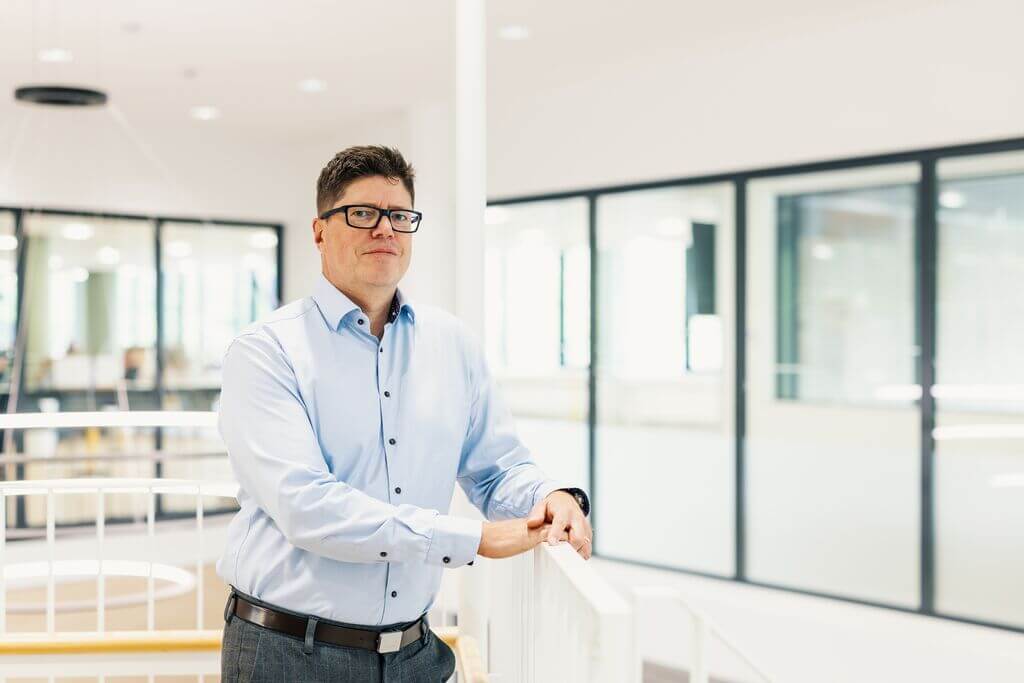
Wärtsilä’s goal is to support its customers in successfully positioning themselves as progressive players in a future-proof decarbonised power system. Through trial projects, customers are concretely shown various decarbonisation opportunities. Together, it is possible to test and evaluate new technologies, validating the processes through demonstration. Another important part of creating new solutions is also active collaboration with other ecosystem members.
Next, let's meet Elenonor Hedström, the Director of Wärtsilä’s Next Business Lab, heading the WISE project at Wärtsilä. WISE (Wide and Intelligent Sustainable Energy) is a Business Finland co-funded collaboration with the ambitious aim of developing zero-emission balancing power to help accelerate decarbonisation. WISE operates with a network of 200 partners, including companies, experts, research institutions, equipment manufacturers, software developers, industry partners and consultants. The collaborative consortium is led by Wärtsilä.
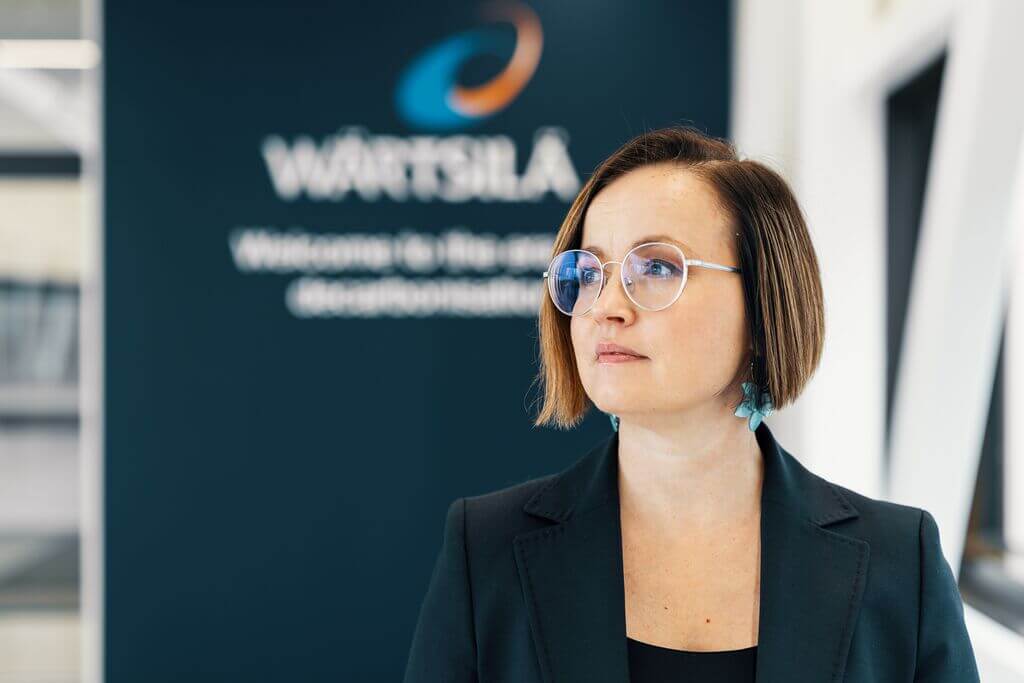
Hedström explains that compared to traditional energy R&D initiatives, the WISE programme focuses on collaboration with various stakeholders aligned on fostering new business development through co-innovation projects. WISE works relentlessly on engine power plant solutions designed to run on sustainable fuels. Additionally, WISE conducts research across the fuel value chain, designed to provide insights for optimising energy and creating new services. In recent years, WISE has focused on several ground-breaking initiatives, including development of autonomous power plants and clean energy production. “WISE sees "intelligent" as using advanced technologies to make energy systems more efficient, autonomous, and adaptable. At Wärtsilä, we are working on making our solutions more intelligent”, Hedström explains.
When discussing suitable criteria, Hedström clarifies that projects in the WISE portfolio must align with WISE's vision of advancing sustainable energy technology, involve innovative research and development, and foster collaboration among diverse stakeholders. These collaborations focus on designing, testing, and validating sustainable power plant concepts through pilot projects and demonstrations, while also aligning with Wärtsilä's wider strategic goals. The joint Wärtsilä Suape ethanol engine test is a great example of WISE’s collaborative initiatives, testing the possibilities of ethanol in practice, while also driving forward the energy transition.
At WISE, the best way to understand a concept is through case studies and examples. Hedström underlines that collaboration across the full ecosystem is crucial, ensuring projects include various stakeholders, small and medium-sized enterprises as well as growth companies. WISE fundamentally believes that to drive innovation and move forward we must lift others up along the way. This includes helping smaller players thrive in the ecosystem.
Both Östman and Hedström agree that sustainable fuels will be the key to building a decarbonised energy future. However, reliable and dispatchable power will be equally important to secure the integrity and stability of our electrical grids. In the coming decades, the capability to only use sustainable fuels will be essential for Wärtsilä, as renewables become the primary source of power. Wärtsilä’s technology portfolio will continue to offer flexible engine power plants, hybrid solutions, combining engines, renewables, energy storage, and services, to help customers decarbonise their operations, ensuring long-term asset viability regardless of what the dominant fuel is. Wärtsilä will also drive the customer base's transition across a variety of fuels, including sustainable ones.
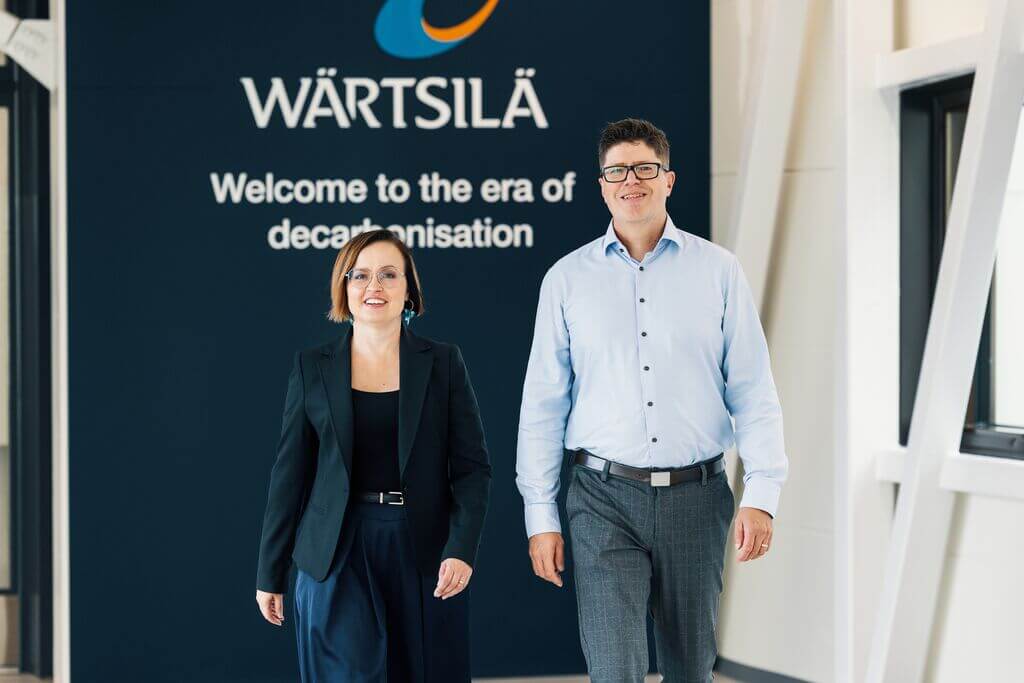
When planning for the coming changes in the energy industry, Östman reminds us that the readiness to implement these new solutions to existing hardware is always a step ahead. Inbuilding the fuel flexibility that is available today is a way to be prepared and ready for the next innovation. Östman also highlights the importance of curiosity and working closely together with customers. Hedström discusses WISE’s role in the energy transformation, stating that in the coming years WISE will align research and development, product development, and market strategy, to support initiatives like hydrogen-ready power plants and ethanol demonstrators. This will enable Wärtsilä's transition to zero-carbon fuel solutions by 2030.
The commitment to building a better future brings an additional special dimension to everyday work. Both Östman and Hedström agree on this and are happy to share their current professional excitement. Östman sums up that the best aspect of working with sustainable fuels is the further sense of purpose and building up something entirely new. Hedström is especially motivated to build innovation capabilities and to develop the WISE ecosystem. This will lead to significant advancements in emerging technologies. “Working with a fantastic team and seeing world-first innovations, like converting sugarcane into clean power, is both inspiring and rewarding,” she concludes.
Once every six weeks, you will get the top picks – the latest and the greatest pieces – from this Insights channel by email.