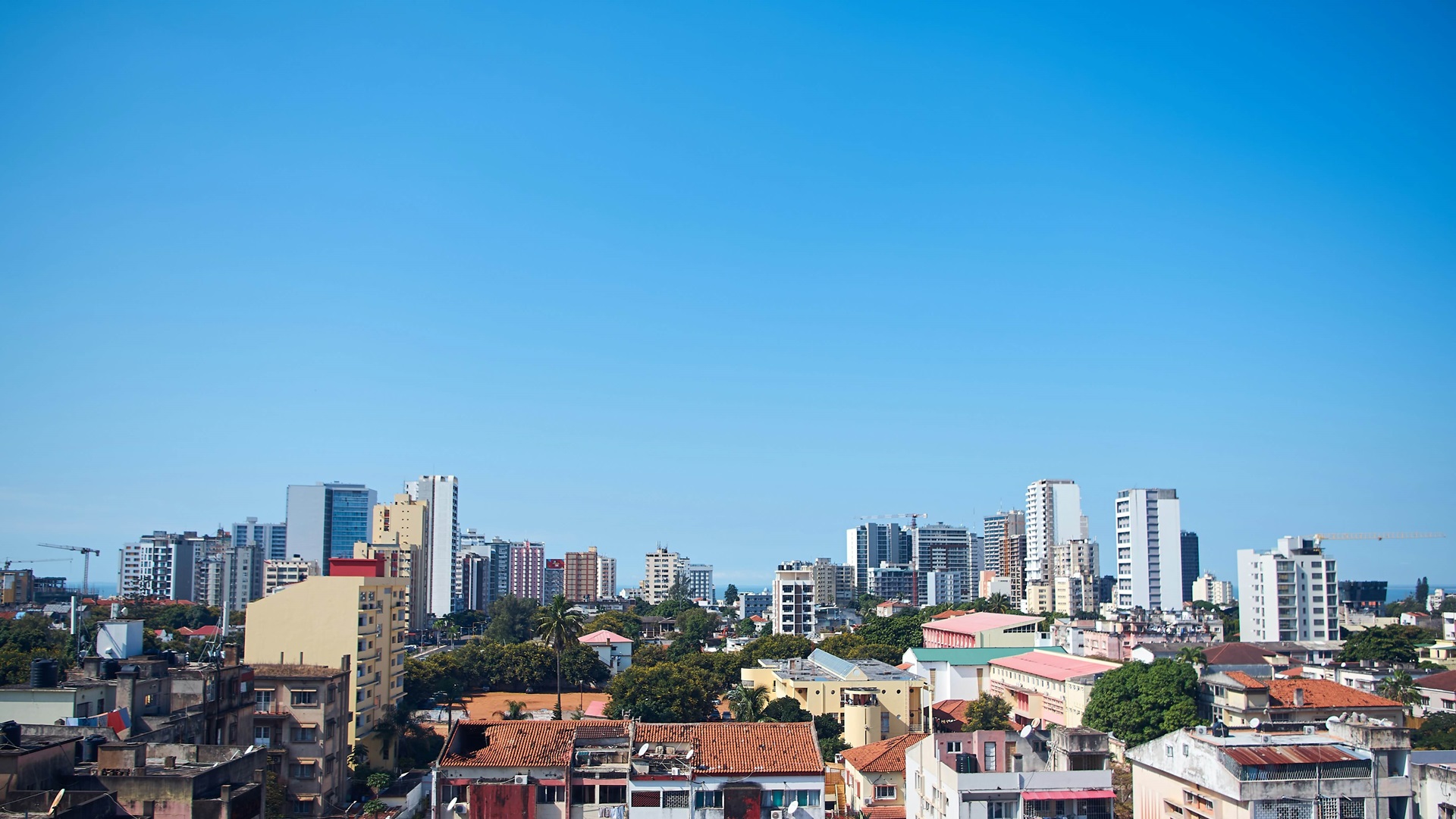
As Mozambique fast-tracks its national electrification goals, the blueprint for a dependable, modern power grid is being rewritten. With massive infrastructure momentum across the country, highlighted by the full resumption of landmark liquefied natural gas (LNG) activities in Cabo Delgado and skyrocketing foreign direct investment, the focus is shifting toward how we securely distribute this energy wealth.
For a geographic landscape as vast and economically diverse as Mozambique's, building centralised infrastructure isn't always the fastest or most efficient path to universal energy equity. Instead, the future of the nation’s power grid lies in strategic decentralisation. Internal combustion engine technology is proving to be the critical link required to bridge the gap between resource abundance and community empowerment.
Here is how modern gas engines are fundamentally transforming the regional energy architecture:
1. Localised power for high-impact industries
From driving deep-tier mining assets in Tete to anchoring heavy industrial zones in Nacala or stabilising expanding localised grids in the north, modular power plants can be deployed precisely where economic growth demands it. Because these clusters scale dynamically, they bypass the multi-year delays associated with overhauling cross-country transmission lines, giving off-grid mining operations, logistical hubs, and rural districts immediate access to world-class thermal efficiency.
2. Unmatched grid balancing and operational velocity
In a modern power system, flexibility is the ultimate currency. This is where Wärtsilä’s balancing technology fundamentally outperforms legacy thermal solutions. Our gas engines are built for extreme operational velocity, capable of accelerating from a complete cold start to 100% capacity in approximately two minutes. Crucially, they can manage an unlimited number of daily start-and-stop cycles without incurring extra maintenance penalties or degradation. This allows utilities to manage sudden load drops or severe grid contingencies instantaneously.
3. Unleashing the full potential of renewables
Gas-fired engines do not compete with clean energy; they function as the ultimate enabler for it. As Mozambique Just Energy Transition Strategy advances, balancing assets are vital to absorb the inherent volatility of solar and wind inputs. When atmospheric conditions shift, fast-acting gas engines activate instantly to defend grid frequency, serving as a reliable thermal bridge toward long-term decarbonization.
4. Intelligence-driven asset optimisation
Hardware is only as smart as the software directing it. By pairing high-efficiency engines with advanced energy management ecosystems, such as our GEMS Digital Energy Platform, operators gain absolute, unified control over their assets. GEMS continually analyses data to optimise fuel consumption, balance load distribution, and lower emissions across standalone sites or entire generation portfolios.
Moving the grid forward
Achieving true energy independence requires an architecture that is as agile as it is robust. With a proven operational installed base of 6.7 GW across Africa, Wärtsilä is deeply committed to supporting Mozambique’s journey toward 100% electricity access. By embracing flexible, decentralised gas generation today, we are structuring a cleaner, highly responsive power ecosystem engineered to thrive for decades to come.
Once every six weeks, you will get the top picks – the latest and the greatest pieces – from this Insights channel by email.