Poland’s district heating sector is at a turning point.
Exit from coal, rising fuel costs, volatile electricity markets, and increasing pressure to keep heat affordable are forcing operators to rethink long‑standing assumptions. One of the most important of these is the role of electricity production within combined heat and power (CHP) plants.
Our new analysis shows that a single decision in a technology tender - specifically, the choice of CHP engine efficiency - can have a substantial impact on consumer heat bills, investment economics, and long-term financial resilience. In fact, in a typical Polish district heating network serving around 50,000 people, the difference can amount to nearly €1.1 million per year.
District heating has always been about reliability – now it must also be about value
Traditionally, the role of district heating operators in Poland has been clear: provide reliable heat to homes, schools, and businesses. The sector has operated largely as a regulated public service, with operating costs passed through to consumers via tariffs.
Cogeneration technology has long been central to this model. Across Europe, around 70% of heat in district heating and cooling networks comes from CHP, while in Poland the figure stood at approximately 64% in 2023.
Yet despite producing both heat and electricity in a single, efficient process, many Polish CHP plants have historically treated electricity as little more than a by-product - sold at fixed prices and largely disconnected from real-time market dynamics.
That approach is becoming increasingly difficult to justify.
Electricity markets have changed and heating systems must follow
The rapid growth of wind and solar power is reshaping electricity markets across Europe. Price volatility has increased, with frequent periods of both scarcity and surplus. Systems now require flexible capacity: assets that can respond quickly to changing conditions and price signals.
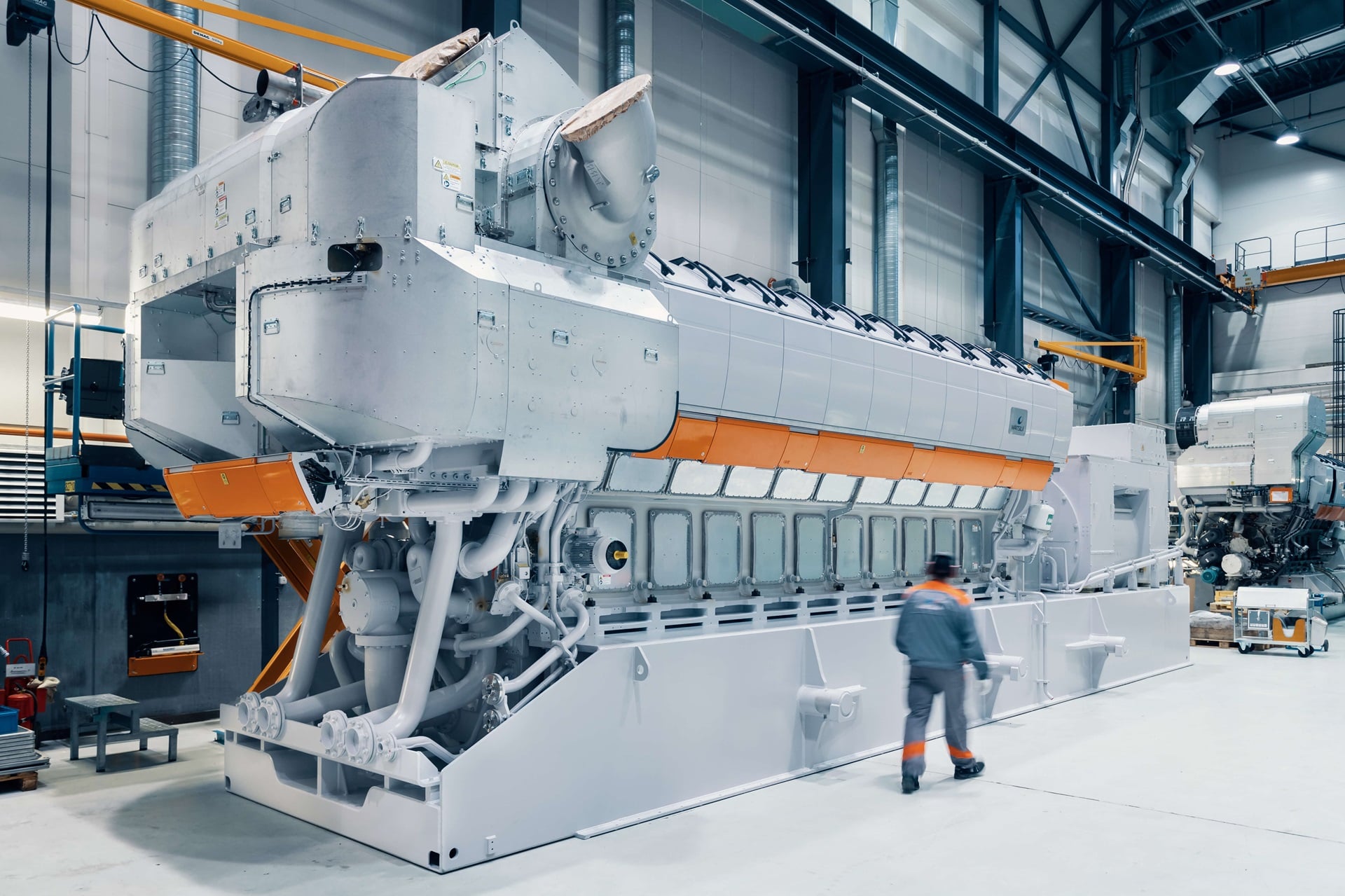
Modern CHP plants equipped with flexible gas engines are well placed to play this role. Unlike traditional baseload technologies, engines can start and stop multiple times per day, increase or reduce output quickly, and actively participate in day-ahead and intraday electricity markets.
This flexibility allows district heating operators to generate electricity when prices are high, avoid production during low‑price periods, and build a stronger revenue base—without compromising heat supply.
Why electrical efficiency matters more than many tenders recognise
When selecting CHP technology, tenders often focus on total or thermal efficiency. While overall efficiency levels close to 90% are important, our analysis – using PLEXOS energy simulation software – shows that electrical efficiency is the decisive factor for long‑term economics.
Using detailed modelling, Wärtsilä compared two CHP scenarios for a district heating system with a peak heat demand of 50 MWth:
At first glance, the difference of only 1.5 percentage points may seem marginal, but in practice, the impact is substantial.
The numbers that matter for consumers
According to the analysis, engines with lower electrical efficiency would produce less electricity and thus:

In other words, technology choices made at the tender stage directly affect household energy bills for years to come.
Proven in Europe—and relevant now for Poland
This more dynamic CHP operating model is not theoretical. It is already being successfully applied in countries such as Denmark, Germany and Hungary, where district heating systems actively integrate with electricity markets and use flexibility to stabilise costs.
Crucially, higher electricity production does not mean less secure heat supply. Any shortfall can be covered cost‑effectively using electric boilers or heat pumps during periods of low electricity prices, supported by thermal storage to balance supply and demand.
One decision, long‑term consequences
For Polish district heating operators, of which many are public utilities, the implications are clear. Prioritising electrical efficiency alongside overall efficiency is not about maximising profit for its own sake. It is about:
In today’s energy system, small technical details can translate into very large economic outcomes.
As Poland modernises its district heating infrastructure, the question is no longer whether technology choice matters—but whether we can afford to get it wrong.
If you’re involved in district heating investment, planning or tendering in Poland, now is the time to look beyond headline efficiency figures and examine what really drives value over the system’s lifetime.
Once every six weeks, you will get the top picks – the latest and the greatest pieces – from this Insights channel by email.