Cement producers in Nigeria know that access to reliable electricity is fundamental to maintaining production. Yet the national grid cannot always provide the dependable supply that energy-intensive cement operations require.
This has made captive generation an increasingly important solution, allowing manufacturers to reduce their exposure to grid constraints and gain greater control over a critical production input. But solving the power availability challenge creates another critical question: how do you make captive generation itself resilient? In Nigeria, this is increasingly about fuel flexibility.
Avoid replacing one dependency with another
Nigeria has abundant natural gas resources, but access to gas at an industrial site depends on infrastructure, availability, pressure and quality. A cement producer investing in captive generation therefore needs to consider not only which fuel is available today, but how those conditions could change over the lifetime of the plant.
That’s why building power generation capacity around a single fuel, risks replacing dependence on the grid with dependence on another part of the energy supply chain.
Dual-fuel engine power plants offer a particularly resilient solution. They can operate on liquid fuels where gas infrastructure is unavailable, transition to natural gas once supply becomes available, and switch back rapidly if gas supply is disrupted. They also provide a pathway towards lower-carbon operation over time, since the same flexible engine technology can also run on a blend of natural gas and sustainable fuels such as green hydrogen, as soon these will become commercially available at scale.
For manufacturers making long-term investments, this optionality is invaluable. Rather than attempting to predict how Nigeria’s fuel market will evolve, they can invest in generation technology capable of adapting with it, ensuring long-term performance and relevance.
Power generation must also follow production
Fuel flexibility, however, is only one part of the equation. Cement plants do not consume electricity at a perfectly constant rate. Demand varies according to grinding operations, maintenance cycles and production requirements.
Captive generation therefore needs to follow the industrial process efficiently, so that power production closely matches demand fluctuations.
This is an area where reciprocating internal combustion engine technology offers important advantages. Engine power plants consist of multiple generating units operating in parallel. Individual engines can be started, stopped or adjusted very rapidly, allowing output to closely follow actual electricity demand while maintaining high efficiency across a wide load range.
Gas turbines, on the other hand, perform best at sustained high loads and lose efficiency as output falls. This operating principle is particularly ill-suited to the fluctuating power requirements of cement production.
That is important because, for cement manufacturers, the relevant question is not simply whether a power plant can deliver enough megawatts, but whether it can deliver the right amount of power, at the right time, efficiently and reliably.
Proven in Nigeria
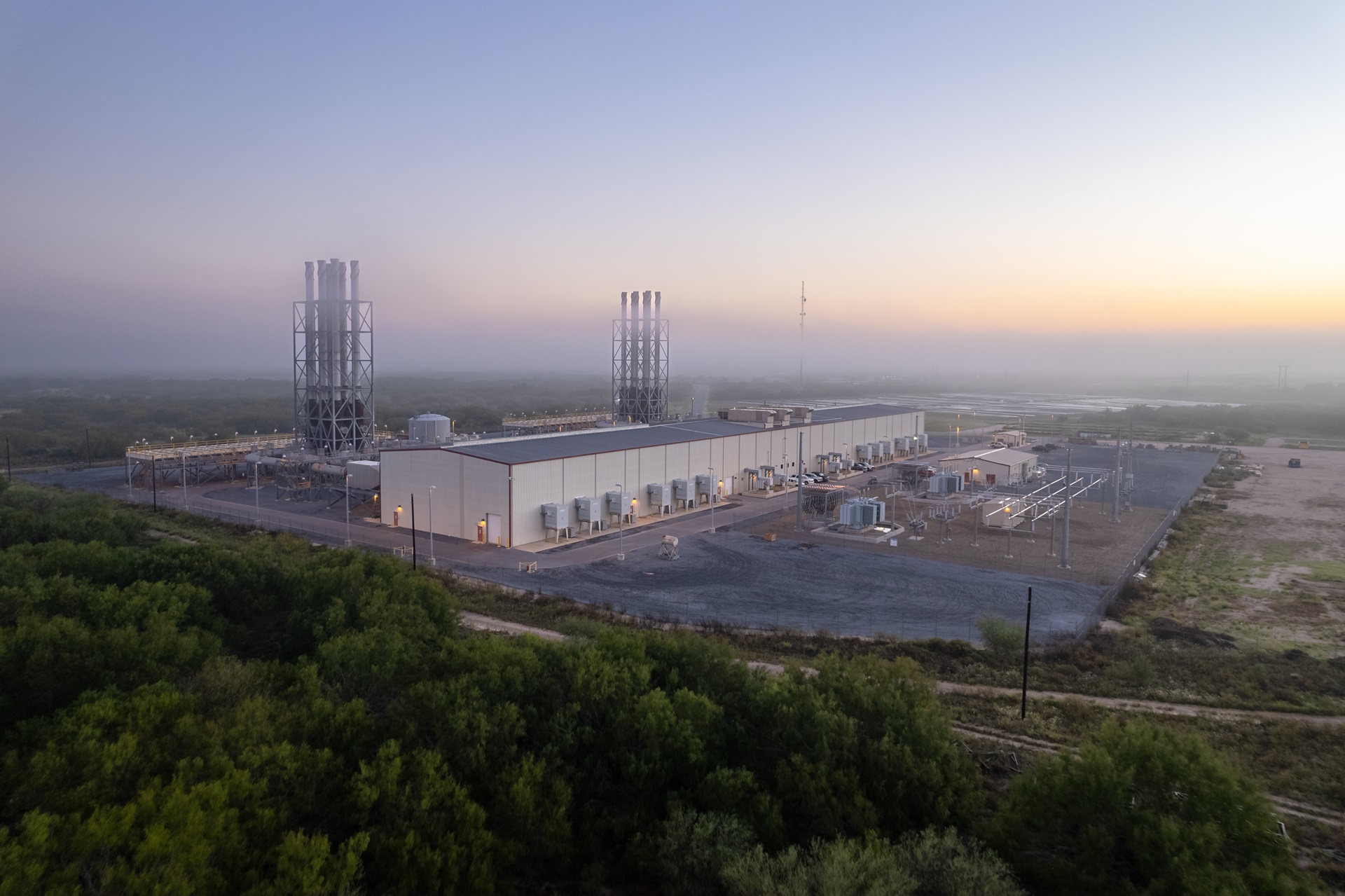
This approach is already well established in Nigeria. Wärtsilä has supplied more than 400 MW of generating capacity to Nigeria’s cement industry, including dual-fuel installations designed specifically to strengthen energy security.
At Mangal Industries’ cement facility in Kogi State, for example, five Wärtsilä 34DF dual-fuel engines provide 50 MW of captive generation. The plant was designed to operate initially on liquid fuel and transition to natural gas once pipeline infrastructure becomes available.
At HBM's (formerly Lafarge Africa) Ewekoro and Mfamosing plant, Wärtsilä dual-fuel engines have provided dedicated electricity for cement production for more than a decade, while retaining the ability to switch fuels if required.
BUA cement's Sokoto and Obu plants are also powered by Wartsila dual fuel engines running and LNG and pipeline gas respectively.
These projects demonstrate why flexibility matters. Captive generation can solve the immediate challenge of electricity availability, but long-term resilience depends on maintaining options.
Nigeria’s energy landscape will continue to change as gas infrastructure develops, fuel economics evolve and renewable generation expands. Cement producers that combine fuel flexibility with operational flexibility will be better positioned to protect production, optimise energy costs and adapt to those changes.
Once every six weeks, you will get the top picks – the latest and the greatest pieces – from this Insights channel by email.