When it comes to using AI in shipping, the question isn’t “When?” but “How?” That’s because AI-powered solutions for maritime are already here. With owners and operators under pressure to continuously improve vessel efficiency and comply with ever-stricter regulations, AI can offer some unexpected solutions.
Integrating AI and machine learning methods into maritime digital solutions can improve vessel efficiency and make your fleet operations more effective. But which AI-powered strategies will benefit you the most? Here are three unexpected AI-powered strategies that can save you money and make your vessel more efficient:
Voyage optimisation is one of the most powerful AI-driven strategies you can use to improve vessel efficiency. Even small improvements in route planning will reduce fuel consumption and emissions – which can add up to significant efficiency gains.
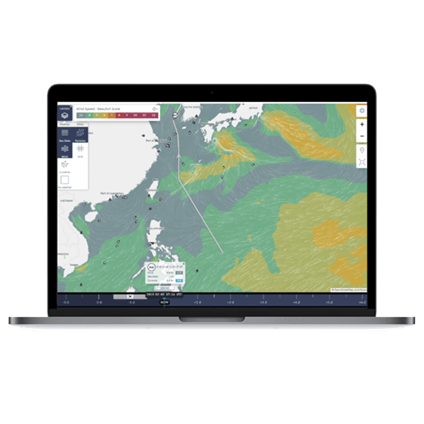
This strategy uses AI and machine learning algorithms to analyse multiple real-time data sources such as weather forecasts, sea conditions and vessel data. It uses this input to compare multiple potential routes and recommends the optimal option to maximise fuel efficiency.
Unlike traditional routing systems, AI-powered route optimisation adapts to changing conditions, continuously recalculating routes to avoid storms, high waves or congested traffic lanes. AI can also help with specific operational goals, like arriving at port at the optimal time or aligning with berth availability.
The system also learns over time as more and more high-quality data is fed into the AI model, so it continuously improves its routing ability. Because you have real-time information on the efficiency of every vessel in your fleet, you will be able to compare performance and make smarter decisions to improve efficiency.
If you are comparing ways to improve voyage efficiency with AI, Wärtsilä’s Fleet Optimisation Solution (FOS) helps you optimise routes, improve fuel efficiency and manage fleet performance using data-driven insights.
Handpicked related content
Case study: Carisbrooke Shipping has used FOS since 2019 to optimise fuel consumption across its fleet. The company has reported fuel savings of 5–7% since adopting the solution, helping to reduce carbon emissions, increase vessel performance and reduce costs.
Knowing what’s going on in real-time on your vessels – and what optimal performance looks like – is crucial for increasing efficiency. But traditional monitoring methods that rely on noon reports and manual equipment checks don’t provide the comprehensive, real-time insights you need to make smarter decisions.
AI-backed real-time monitoring can give you the tools you need. With this kind of monitoring, you can significantly improve vessel efficiency with early detection of performance anomalies – before they impact fuel consumption, emissions levels or equipment functionality. Modern vessels generate huge amounts of data – and AI can detect subtle early deviations that humans would be blind to.
To implement this real-time monitoring strategy, the first step is to get an expert to create a digital twin of your vessel. A digital twin is a detailed virtual model that replicates your ship’s physical characteristics, systems and operational behaviour. The biggest advantage of this kind of model is that it shows you what optimal performance looks like.
The digital twin is developed using design data from your vessel, including:
Once established, the digital twin will receive data from the vessel in real time, including engine performance, fuel consumption, weather conditions and navigational status.
When you compare the predicted performance from the digital twin simulation with real-world performance, you get the information you need to optimise the efficiency of your vessel. With an AI-backed monitoring service, the output from the digital twin can also be used to provide actionable insights and recommendations, for example recommending hull cleaning or suggesting adjustments that can be made to improve performance.
The real-time monitoring and predictive capability of a digital twin can help you optimise fuel consumption, reduce downtime and make smarter decisions throughout the lifecycle of your vessel.
Hand-picked related content:
Want to learn more about how advanced digital twins and AI help optimise vessel performance? Watch our expert webinar.
Predictive maintenance improves vessel efficiency because it helps
Traditional maintenance schedules are often based on fixed intervals or reactive repairs, both of which can increase your operational costs. Unexpected equipment failures in particular can cause huge disruptions to your operations – and significant financial losses.
In contrast to traditional maintenance, AI-powered predictive maintenance uses algorithms and machine learning to analyse data from various sensors and systems on your vessel. Continuously monitoring the condition of critical components in real-time helps predict potential failures before they occur. AI can spot anomalies long before a human could, so you can arrange maintenance and repairs in good time.
Wärtsilä Expert Insight is a powerful, AI-backed predictive maintenance service. Expert Insight monitors real-time sensor data from your vessel and combines it with advanced diagnostics and human expertise to give an accurate picture of equipment condition. The service makes maintenance recommendations based on this information, which improves vessel efficiency by making your assets more reliable.
Handpicked related content
Japanese ship management company MMS Co., Ltd. is just one example of a customer that has benefited from the Expert Insight service. A monitoring expert from Wärtsilä spotted an anomaly related to the lubricating system on the engine of one of their LNG tankers. The expert notified the company and guided them to fix the issue before major damage occurred that could have cost tens or even hundreds of thousands of euros to fix.
None of these three AI strategies work without high-quality data – and lots of it. That’s because AI needs accurate, comprehensive and well-structured data to make meaningful predictions. In the maritime environment, factors like fuel consumption, engine load, weather, currents and vessel behaviour are fed into AI models to provide the fullest and most accurate picture possible.
If this data is ‘noisy’, incomplete or inconsistent, you will not be able to rely on the output of your AI-powered systems and services. In practical terms, you might suffer from suboptimal routing, poor maintenance predictions or incorrect efficiency recommendations. The answer is to make sure you gather high-quality data so that the AI can detect patterns, optimise your operations and support your decision-making in real time.
A good starting point when implementing an AI-based strategy is to use data from the IMO Data Collection System (DCS). You’ll get even better results if you augment DCS data with specific data from sensors onboard your vessel. Third-party sources of information like weather forecasts are also important to ensure the effectiveness and accuracy of any AI-based systems you use.
Wärtsilä is a leader in delivering AI-powered solutions that improve vessel efficiency across your fleet. From voyage optimisation to predictive maintenance, these tools and solutions are already delivering measurable results for customers worldwide. Looking for the right AI strategies to reduce fuel consumption and emissions, increase performance and ensure compliance across your fleet? Get in touch.
Discover how AI can improve the efficiency of your operations in this expert webinar: How advanced digital twins and AI help optimise vessel performance
Reach out to discuss your voyage optimisation needs and to learn how fleet management software solutions could enhance your vessel and fleet performance.
See how Wärtsilä’s Fleet Optimisation Solution helps you improve route planning, fuel efficiency, fleet performance and compliance with data-driven voyage optimisation.
Once every six weeks, you will get the top picks – the latest and the greatest pieces – from this Insights channel by email.