What if the world’s cleanest energy was also the cheapest? Here’s how we’re making it happen.
The journey to a net-zero future is not a matter of guesswork; it is a matter of science. At Wärtsilä, we have spent years decoding the world’s most complex energy landscapes. Our experts have developed a portfolio of over 200 power system models and you can explore our published reports here: Power system modelling.
From the unique socioeconomic dynamics of India and Germany to the established grids of the UK and California, our analysis consistently reveals a clear, cost-optimal truth: a renewable energy future is not only technically achievable – it is the most economically viable path we can take.
At Wärtsilä, we study complex power systems by analysing the many factors that influence the optimal power mix across different countries, regions, or systems. Our dedicated team of power system modelling experts uses advanced PLEXOS software to simulate every technical variable of every minute to every hour of a year, taking into account real-life weather patterns, fuel costs, grid constraints, the mix of technologies and future investments plans. These insights give decision-makers the clarity to plan confidently for the future. For society, they enable more efficient, sustainable power systems that lower emissions, support economic growth, and build resilience against future challenges.
Our "Front-Loading Net Zero" research, which includes in-depth analyses of various major economies, demonstrates that this five-step methodology is applicable universally. Regardless of a country’s starting point, our data shows that a flexible, renewable-led system is always the most cost-effective way to achieve carbon neutrality.
Our roadmap is the result of exhaustive research and real-world simulations, revealing a universal pattern. By front-loading the transition today, countries can reduce electricity production costs by up to 50% by 2050. Here is the data-backed path to net zero:
Renewable energy is the backbone of a net-zero future, but it is also an economic powerhouse. Wärtsilä’s extensive energy transition modelling reveals that in many regions, wind and solar are already the most cost-effective sources of new electricity generation. However, simply adding capacity is not enough. Our research indicates that while renewables can currently reach a 20% share today, the real challenge lies in scaling them to become the primary energy source. By front-loading these investments, countries can avoid the rising costs of carbon taxes and secure long-term energy independence.
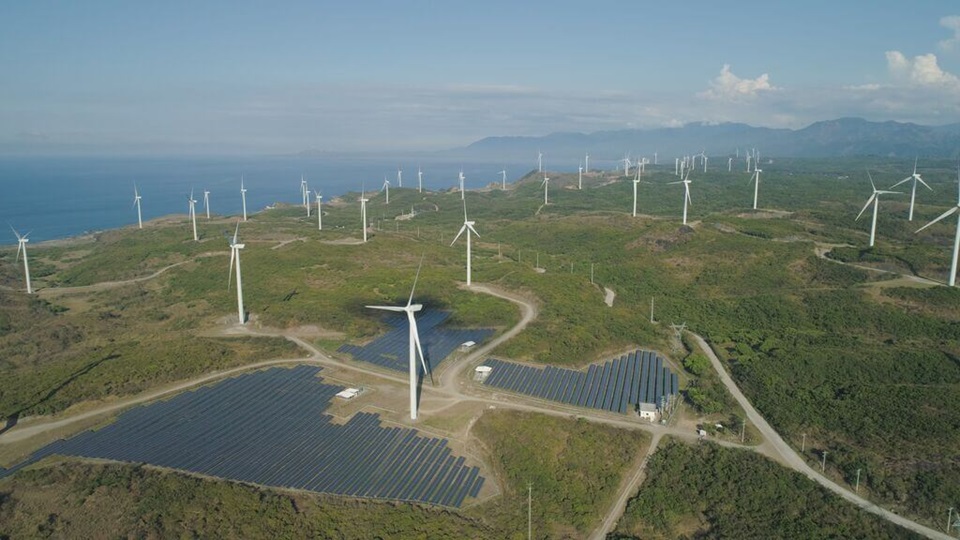
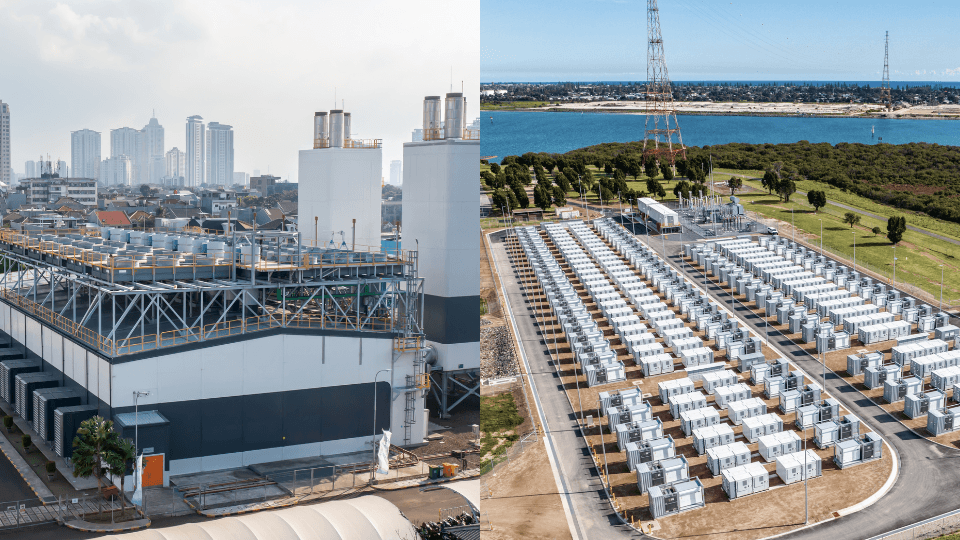
Flexibility is the essential partner to renewables. Our global analysis of over 200 power systems proves that you cannot achieve deep decarbonisation with renewables alone; you need balancing technologies, such as engines or energy storage, to manage the inherent variability of wind and sun.
Inflexible, baseload plants like coal are the biggest obstacles to a modern grid. Wärtsilä’s data-driven approach identifies exactly how these "must-run" units force the curtailment of clean energy.
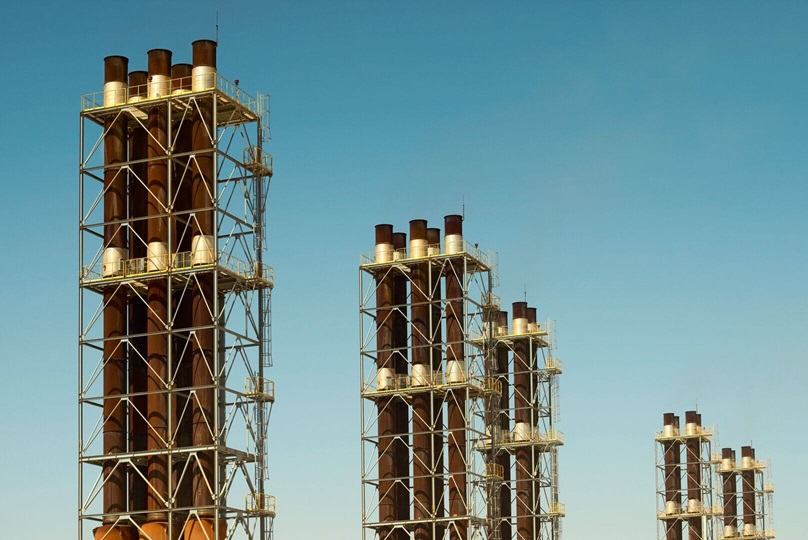
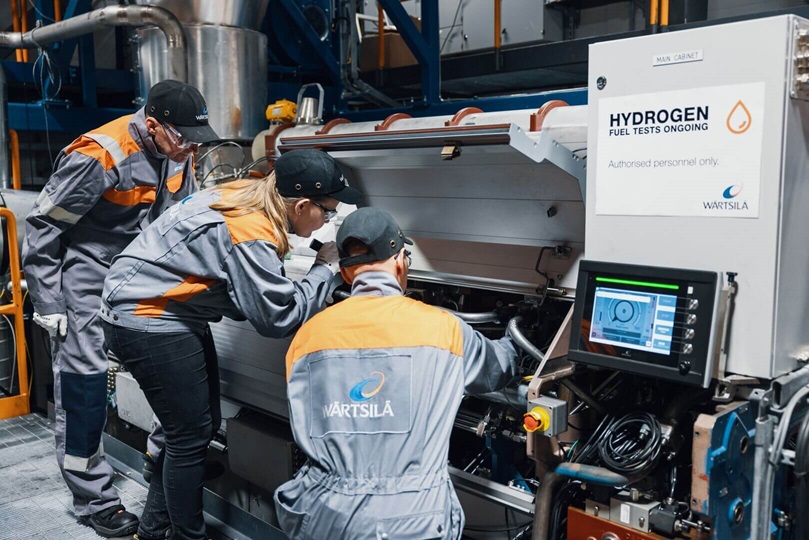
As the grid nears 100% renewables, the final 10–20% of decarbonisation requires a shift in fuel, not just technology. Wärtsilä recognises that achieving a 100% renewable energy future will require integrating new sustainable fuels into the mix. Power-to-X solutions facilitate this by transforming surplus renewable power into carbon-neutral energy carriers.
The final step is the culmination of years of strategic optimisation. Once the grid is supported by a robust mix of renewables, energy storage, and engines running on 100% sustainable fuels, the remaining fossil fuel capacity can be retired.
Delivering the energy transition: from insights to action
The next decade represents a pivotal, once-in-a-generation opportunity to lay the foundations for a net-zero world. However, the energy transition is too complex to be left to chance. Success requires a shift from reactive planning to holistic, system-level thinking.
Wärtsilä’s five-step approach is not a theoretical vision; it is a proven methodology built on the world’s most extensive power system research. Our dedicated team of experts have today already modelled over 200 global power system. Our holistic approach lets you explore a wide range of scenarios, helping you identify the most optimal energy mix option that best fits your needs, be it from transitioning from conventional base-load generation or scaling up flexible, renewable-led balancing power systems.
Every power system is unique, having its own characteristics and the current stage of its development along these 5 steps. But, by simulating every minute to every hour of the year, accounting for real-life weather patterns, fuel costs, and grid constraints, we have identified a universal truth: a flexible, renewable-led system is always the most cost-effective and reliable path to net zero.
As a global leader in energy system integration, Wärtsilä is uniquely positioned to guide this transformation. Our expertise is backed by a massive global footprint and a heritage of innovation:
We have the technology. We have the data. We have the roadmap. The only remaining variable is the speed of action. By following these five steps, power providers can transform their systems from inflexible, high-emission silos into integrated, resilient, and fully decarbonised networks.
“Decarbonisation is no longer a question of "if", it’s a question of how quickly we can unlock the economic and environmental towards a 100% renewable future.