
As Indonesia embarks on its ambitious journey toward net zero emissions by 2060, the energy landscape is evolving at an unprecedented pace. A flexible, responsive system is essential to manage the variability and uncertainty of renewable energy sources. Wärtsilä is proud to support Indonesia in this energy transition by offering sustainable solutions designed to balance renewables and future-proof energy systems.
The Indonesian government has set an ambitious plan to reach net zero emissions by 2060. This is no easy feat, but it can be done.
Actions taken now will determine the long-term path to net zero, and the key question for leaders is whether they will take the opportunity to proactively shape the new market dynamics of the energy transition or be shaped by it.
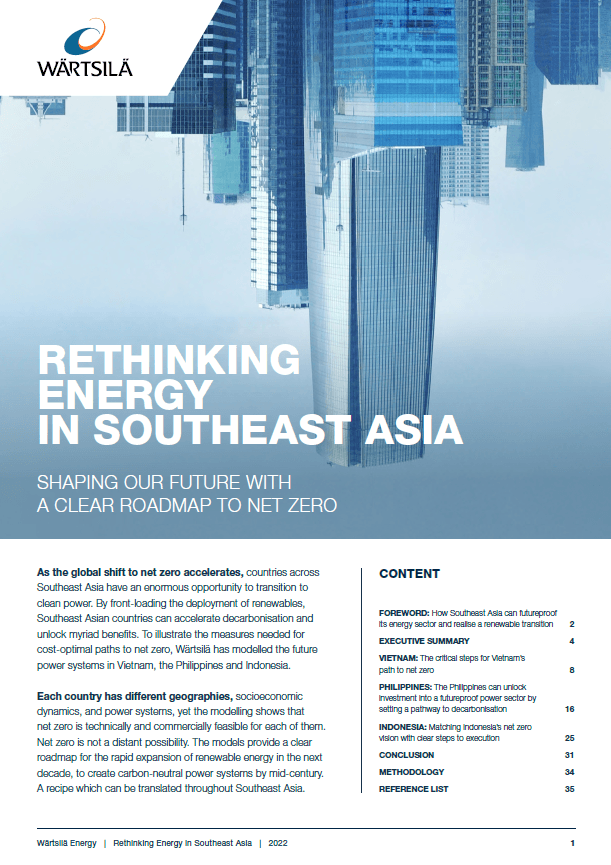
Our report outlines the steps Indonesia needs to take to match its vision with execution, enabling the country to leapfrog to a future-proof power system.
For more regional insights, visit Rethinking Energy in Southeast Asia.
In our video series "Rethinking Energy in Southeast Asia," we delve into pivotal topics shaping the region's energy landscape. In this segment, we explore Indonesia's ambitions and strategies for executing its energy transition, with insights from Febron Siregar, Sales Director at Wärtsilä, and Fabby Tumiwa, Executive Director from Institute for Essential Services Reform (IESR).

With the cost of energy production optimised, share of power generation from renewables can be 3-4 times greater than current goals.

Indonesia's net zero target by 2060 can be achieved with already existing technology by adding renewables and balancing solutions, while phasing out inflexible power plants.

In the net zero scenario, Indonesia can achieve up to a 23% reduction in the LCOE and save $1.3 billion USD annually.
“By pivoting to a flexible renewable system by 2060, Indonesia can do more than cut emissions. It can transform the energy sector, creating a deregulated, competitive market which is better able to serve thousands of islands, ensuring that everyone has access to clean, reliable electricity.

Febron Siregar
Sales Director, Indonesia
Wärtsilä Energy
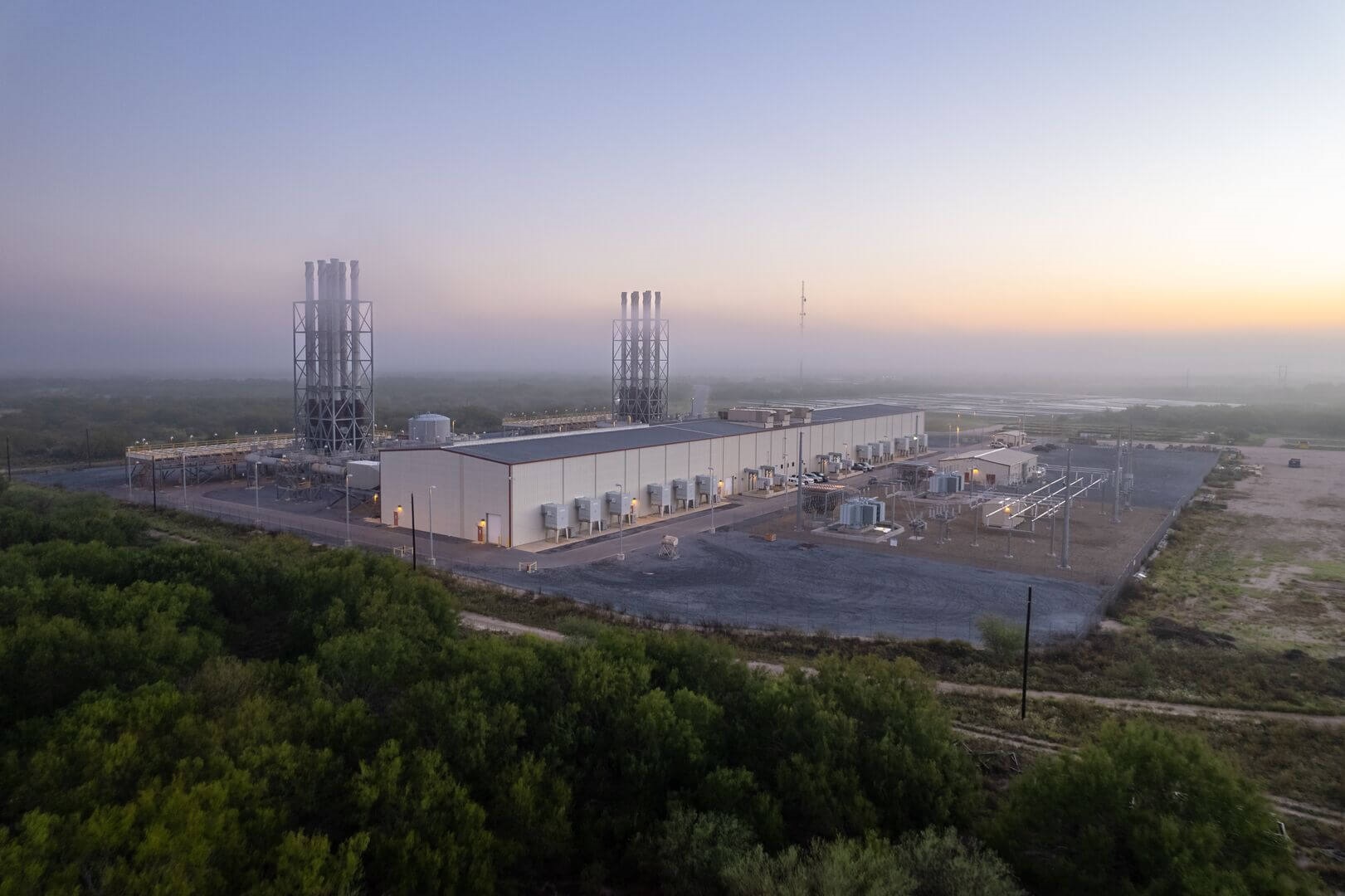
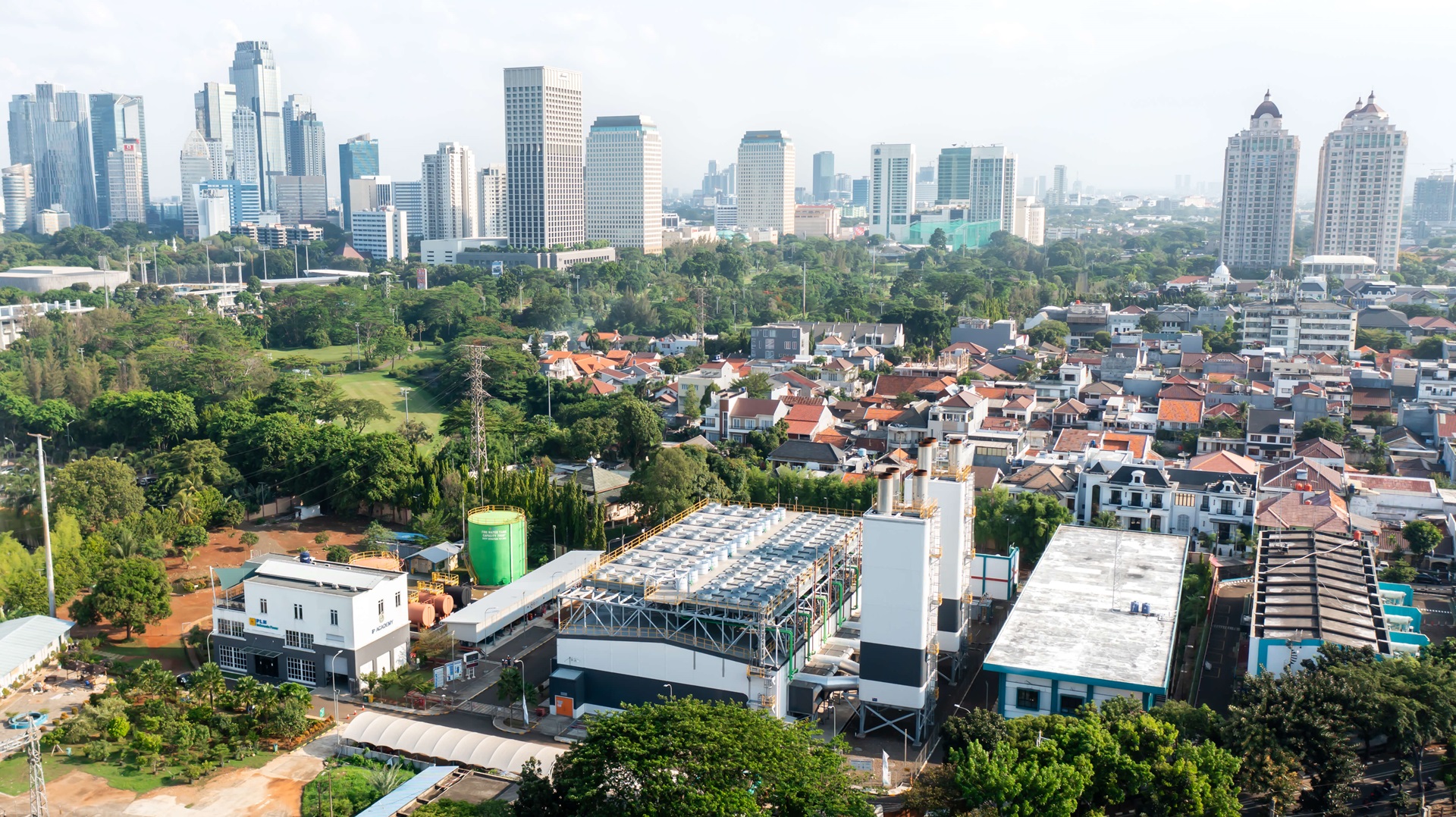
Wärtsilä’s flexible gas plants are critical in helping Indonesia maintain grid stability while integrating more renewable energy. Our gas engines provide the essential balancing power needed to accommodate the variable nature of solar and wind energy. Flexible gas solutions will play a key role as Indonesia phases out its reliance on coal and moves toward cleaner energy sources.
Every second that ticks by presents an opportunity for us to make the right decisions for a sustainable future. As we integrate more renewables into traditional baseload power systems, flexibility becomes essential. To ensure a continuous supply of electricity becomes a constant balancing act, where every second, minute, and hour counts.
This visual case study, based on real-world data from South Australia's national electricity market, showcases the engine power plant's unmatched flexibility when comparing to an aeroderivative gas turbine power plant in full operation.
The urgent need to take action to decarbonise and reduce the global carbon footprint is seen globally. Countries, regions, significant industrial players and companies are setting renewable energy or decarbonisation targets.
To fully overcome renewable intermittency, energy systems must employ all available flexibility solutions, from energy storage which discharges over a period of hours – to thermal balancing using sustainable fuels, which can be transported and stored over many months.
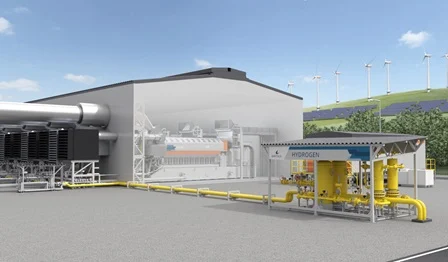
The influx of renewables entering power systems is creating the right conditions for excess clean electricity to be used as a raw material for new types of hydrogen-based, carbon neutral sustainable fuels.
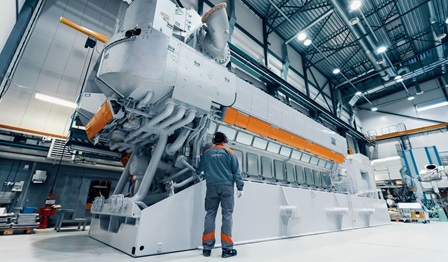
Technology group Wärtsilä has started validation of a new 100% hydrogen engine to power Spain’s national electricity grid in Bermeo, northern Spain – the world’s first demonstration of a large-scale, 100% hydrogen engine.
The trial marks a major step forward in proving that engine technology can operate on 100% sustainable fuels such as hydrogen, building on Wärtsilä’s earlier launch of the world’s first large-scale 100% hydrogen-ready engine power plant and opening a clear pathway towards fully renewable power systems. With global renewable energy generation set to grow by almost 4,600 GW by 2030, flexible technologies capable of balancing grids during periods of low wind and solar output are becoming increasingly critical.
Green hydrogen produces no carbon emissions, enabling clean power generation while supporting the decarbonisation of renewable-heavy grids. It can store excess renewable electricity and provide reliable power when wind or solar generation drops, helping to stabilise the system and improve energy reliability.
The Wärtsilä 31H2 engine, part of the Wärtsilä 31 platform, one of the world’s most efficient multi-fuel 4-stroke engines, shows that hydrogen can move beyond theory into real-world energy infrastructure. The Wärtsilä 31H2 engine is the world’s largest pure hydrogen engine, with performance currently being verified in Bermeo.
Rasmus Teir, Director of Technology Strategy & Decarbonisation at Wärtsilä, says: “This is a trial for the future of renewable power. As countries rapidly scale wind and solar energy, one of the biggest challenges facing the energy transition is how to maintain reliable electricity supplies sustainably during periods of low renewable generation or spikes in demand. Today, our Wärtsilä 31H2 hydrogen engine is operating on 100% hydrogen and supplying power to Spain’s national grid, demonstrating that large-scale hydrogen engines can provide the flexible, dispatchable sustainable power needed to support future renewable energy systems.”
“We have proven the technology is ready. Now, the focus must be on creating the right environment to scale it, underpinned by decisive regulation, investment clarity, and the infrastructure needed to accelerate the growth of renewable energy and sustainable fuels like hydrogen. The technology is here – now it’s time to scale it.”
The Wärtsilä 31 based power plant is designed to support rapidly growing, energy-intensive industries – including data centres, manufacturing facilities and industry – with flexible, sustainable power generation, and off-grid environments.
Spain, as one of the forerunners in renewable energy adaption, provided an ideal location for the trial thanks to its efforts to reduce exposure to fossil fuel volatility, making it a strong test bed for demonstrating the future potential of hydrogen technologies.
In June 2026, Wärtsilä’s customers from around the world witnessed the operation of the engine, marking a significant milestone in its commercial validation.
Media contact:
Katri Pehkonen
Communications Manager
Wärtsilä Energy
Mob: +358 50 591 6180
[email protected]
Contact for product related inquiries:
Christian Hultholm
Product Manager, W31 Power Plants
Wärtsilä Energy
Mob: +358 40 194 9579
[email protected]
Media kit including key materials
Image caption: Wärtsilä has started validation of a new 100% hydrogen engine to power Spain’s national electricity grid in Bermeo, northern Spain – the world’s first demonstration of a large-scale, 100% hydrogen engine. © Wärtsilä Corporation
All Wärtsilä releases are available at www.wartsila.com/media/news-releases and at news.cision.com/wartsila-corporation where also the images can be downloaded. Use of the image(s) is allowed only in connection with the contents of this press release. Wärtsilä images are available at www.wartsila.com/media/image-bank.
About Wärtsilä Energy
Wärtsilä Energy is at the forefront of the transition towards a 100% renewable energy future. We help our customers and the power sector to accelerate their decarbonisation journeys through our market-leading technologies and power system expertise. Our solutions include flexible engine power plants, energy storage and optimisation technology, and services for the whole lifecycle of our installations. Our engines are future-proof and can run on sustainable fuels. Our track record comprises 81 GW of power plant capacity and over 130 energy storage installations in 180 countries around the world. About 35% of our operating installed base is under service agreements.
www.wartsila.com/energy
Wärtsilä in brief
Wärtsilä is a global leader in innovative technologies and lifecycle solutions for the marine and energy industries. We emphasise innovation in sustainable technology and services to help our customers continuously improve environmental and economic performance. Our dedicated and passionate team of 17,900 professionals in 199 locations in 78 countries shape the decarbonisation transformation of our industries across the globe. In 2025, Wärtsilä’s net sales totalled EUR 6.9 billion. Wärtsilä is listed on Nasdaq Helsinki.
www.wartsila.com
Deploying sustainable fuels to power our energy systems is the final milestone on the journey towards decarbonisation. The launch of Wärtsilä’s hydrogen engine power plant represents a key step towards net zero and a 100% renewable energy future.
Wärtsilä's continuous research on future fuels and engine technology will ensure reliable power generation with a wide range of sustainable fuels. To meet decarbonisation goals and limit the impacts of climate change, explore the various options to reach 100% renewable power generation.

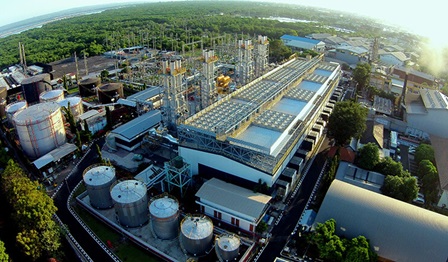
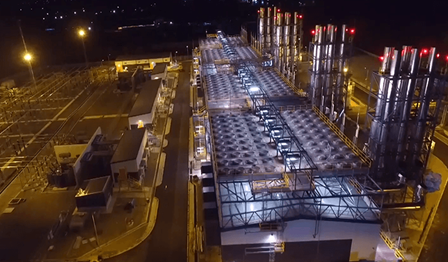
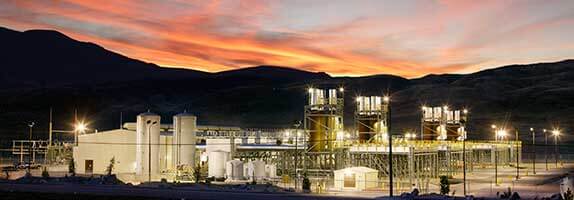
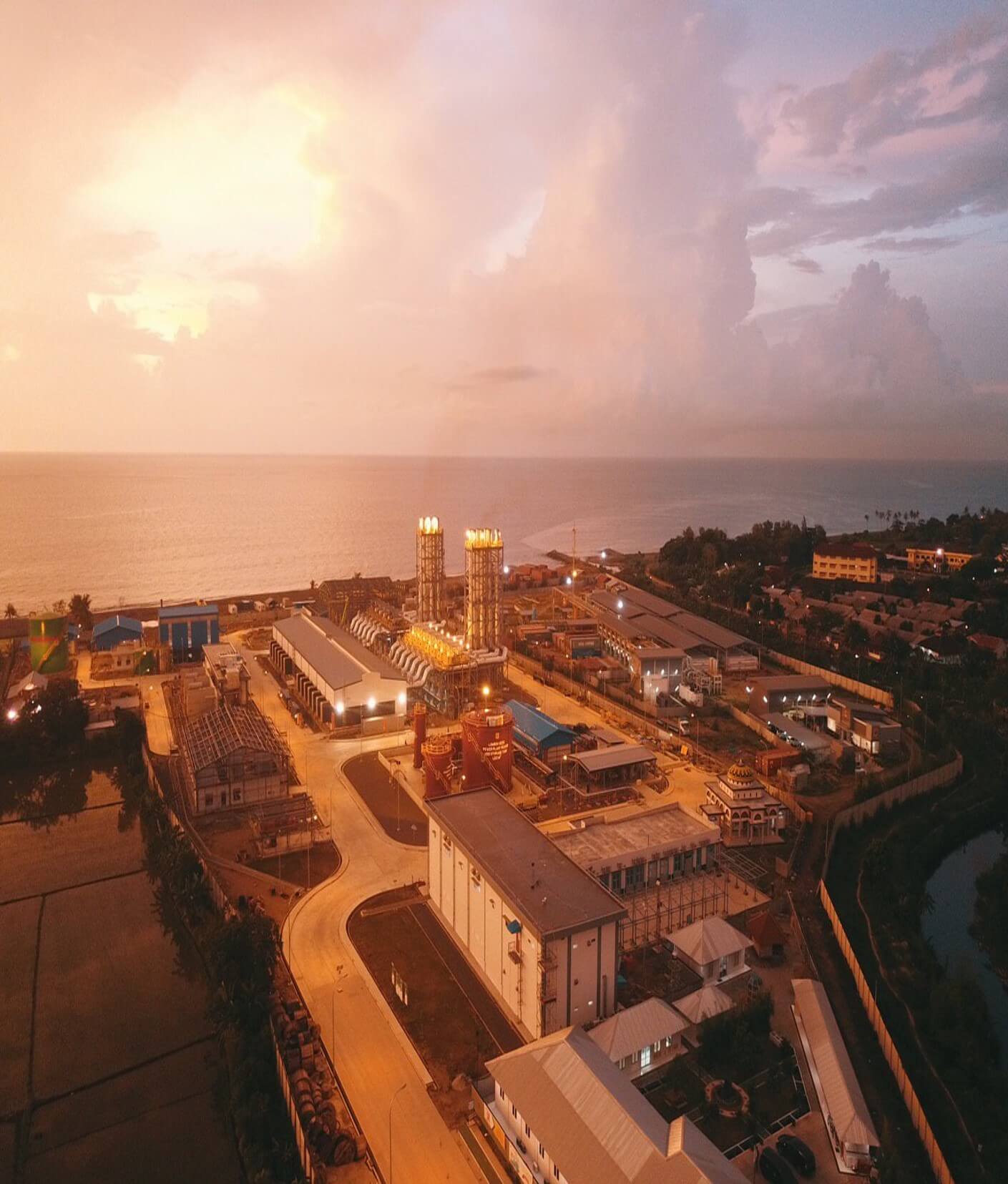
Wärtsilä’s 135 MW flexible engine power plant in Lombok is an example of how hybrid power plants, which is a combination of renewable energy with flexible gas engines, can meet the demand and provide reliable and dispatchable power. The Lombok plant supports both baseload and peaking functions while balancing solar power’s intermittency. This future-proof solution enables even greater solar capacity on the island.
Key features:
Want to stay updated on the latest developments in Indonesia’s energy transition? Sign up to receive exclusive content, insights, and updates on Wärtsilä’s innovations and projects in Indonesia.