Unlock power.
Unleash growth.

How data centres can create tomorrow's power system flexibility.

Artificial intelligence is driving unprecedented demand for data centre capacity. But as digital infrastructure expands, access to power is becoming the defining constraint.

Grid bottlenecks and rising electricity demand are putting pressure on developers to bring new capacity online faster.

The immediate challenge is clear: unlock power.

The bigger challenge is choosing solutions that create lasting value, not just additional capacity.


Power is the constraint.
Growth is the opportunity.

To overcome grid limitations, developers are increasingly turning to onsite power. By 2035, onsite-powered data centres could account for approximately 55 GW of capacity globally.

At that scale, power infrastructure becomes a strategic asset. The technologies selected today will shape costs, resource use and energy-system performance for decades.

The question is no longer simply how to secure power. It's how much growth that power infrastructure can unlock.

55 GW

Onsite-powered data centre capacity globally by 2035


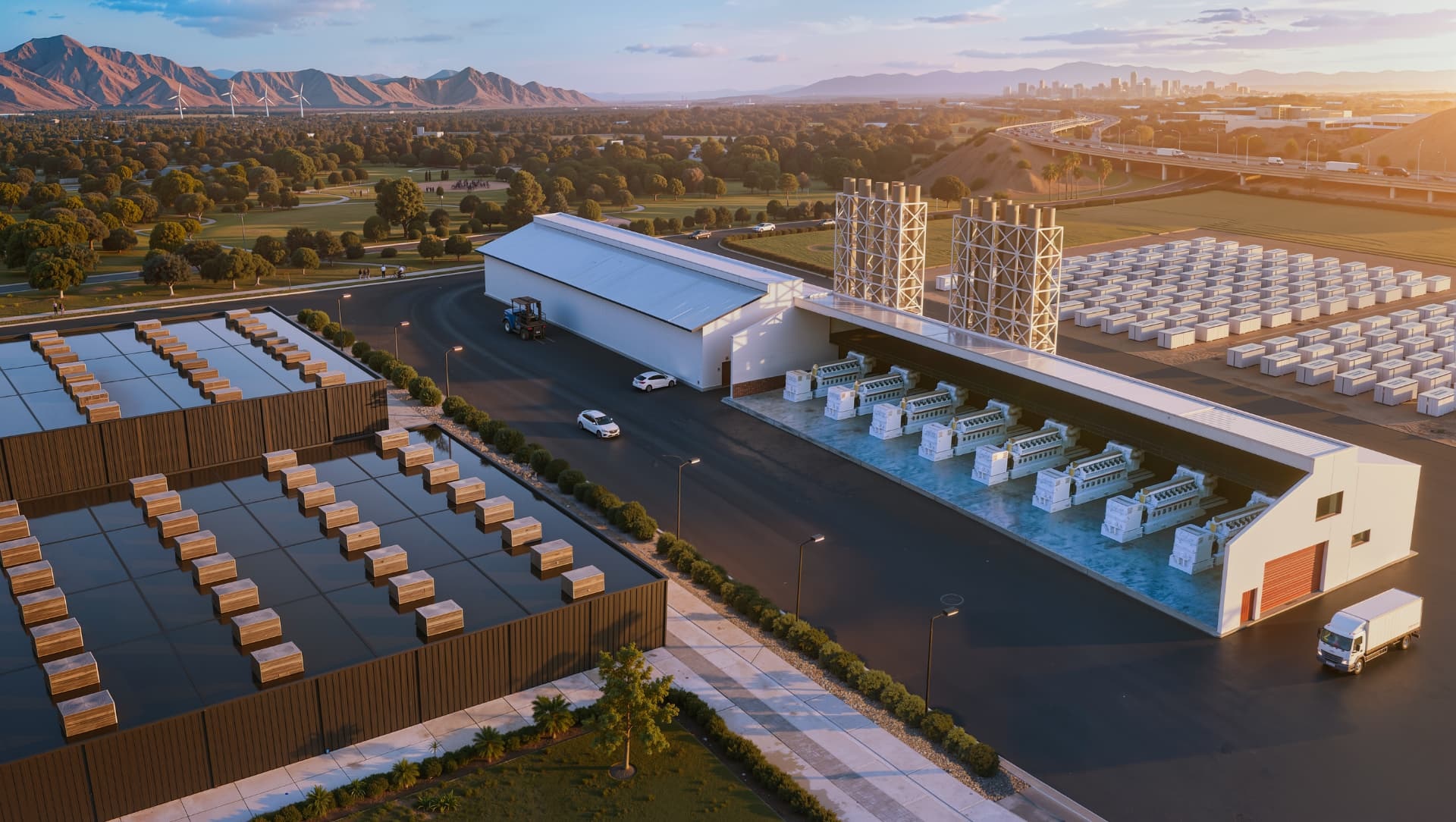
Drawing of power plant


Better choices create bigger returns

Not all pathways to power deliver the same outcome.

Across 55 GW of onsite-powered data centre capacity, technology choices could create a cumulative cost difference of approximately EUR 196 billion over 20 years, or EUR 9.8 billion annually.

The resource impacts are just as significant. The most water-efficient solutions use approximately 99.97% less water than the most water-intensive alternatives, with annual requirements ranging from less than 0.1 million m³ to more than 314 million m³. Some solutions also require roughly two and a half times more land than others to deliver the same power outcome.

As AI accelerates infrastructure growth, efficiency increasingly becomes a competitive advantage.

As AI accelerates infrastructure growth, solutions that deliver reliable power with less installed capacity, land and water become a competitive advantage.

 

Up to EUR 196 bn

Cumulative cost difference over 20 years from technology choice


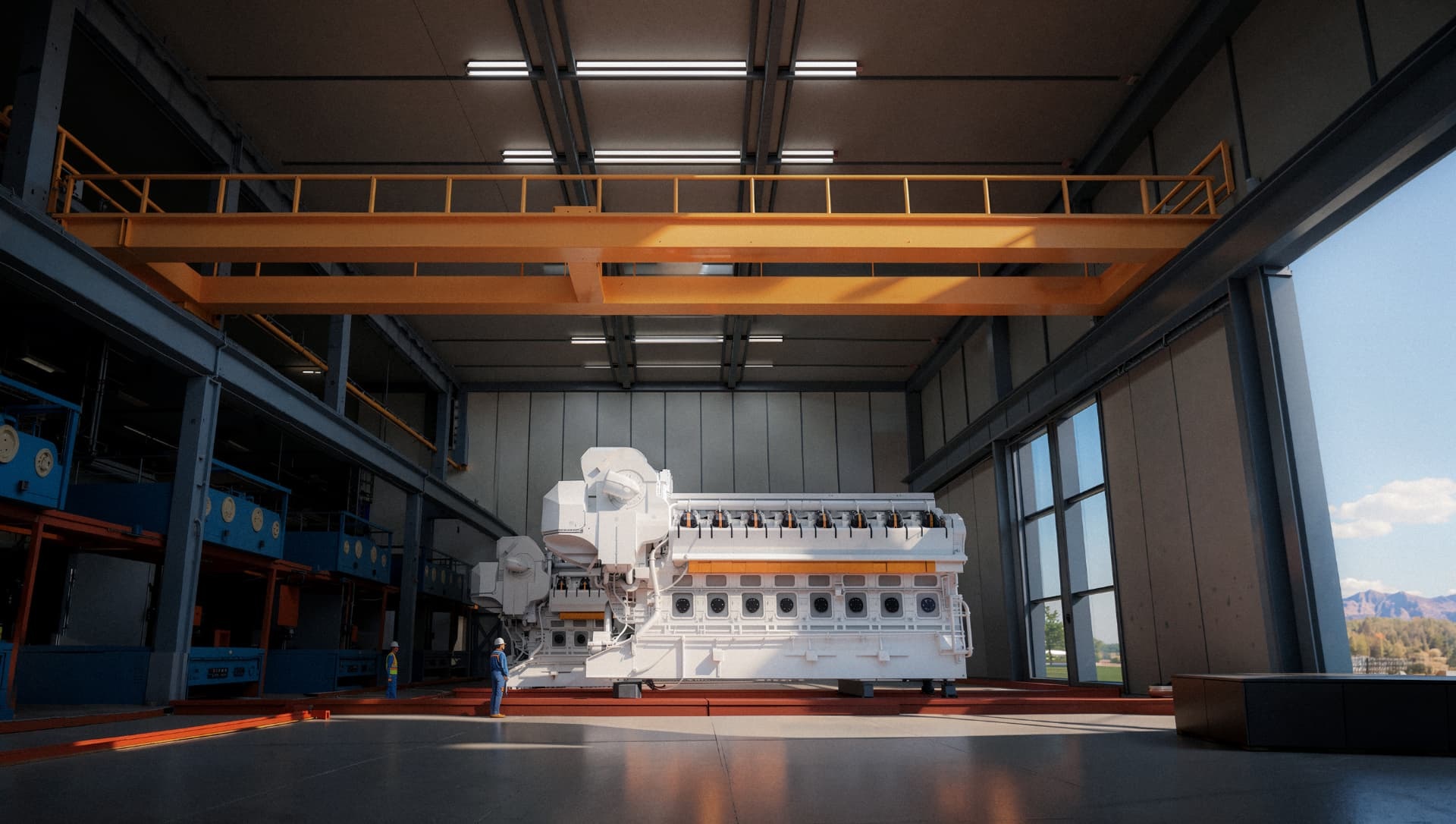
Engine in engine hall


New opportunities emerge after the grid connection

The value of onsite power doesn't end when a data centre connects to the grid. The same power generation that can accelerate development can later support grid reliability, provide flexibility, and help balance renewable generation. Rather than being viewed solely as a source of electricity demand, data centres can become a source of system value.

Wärtsilä's analysis shows that 55 GW of medium-speed engine-based onsite power could provide sufficient short-duration balancing to manage the five-minute variability of approximately 270 GW of renewable energy capacity. Once connected to the grid, these power assets could also help avoid up to EUR 200 billion in additional balancing-capacity costs over 20 years, subject to suitable grid and market arrangements.

Investment made to support digital growth today can help enable renewable growth tomorrow.

~270 GW

Renewable capacity whose five-minute variability 55 GW of onsite power could balance


Unlocking more value from every megawatt

Power infrastructure can create value beyond electricity alone. Waste heat from data centres can be recovered for district heating. In Europe, recovered data centre heat supplied through district heating networks could create over EUR 180 billion in net economic value over 20 years.

Combined with the wider opportunities identified in Wärtsilä's study, data centre infrastructure could create close to EUR 576 billion in value over 20 years.

That's value created not only for data centres, but for communities, utilities and the wider energy system.


~EUR 576 bn

Combined value over 20 years: cost savings, avoided balancing capacity and heat recovery


Paper: Power solutions for off-grid data centre

Grid bottlenecks and lengthy connection timelines are increasingly constraining new data centre capacity. This paper compares the gas-based onsite power solutions in Texas, US; Southern England, UK and Victoria, Australia across reliability, cost, land use, water consumption, emissions and noise.

Smarter power choices unlock AI growth while reducing cost and resource demands

Paper: How data centres can create tomorrow’s power system flexibility

Data centres are investing in onsite power at a scale that could have significant implications for the wider energy system. This paper examines a scenario in which 55 GW of data centre capacity is powered onsite and off grid by 2035, and explores how these assets could later support grid flexibility and renewable integration.

Powering AI today can build a stronger energy system for tomorrow.


Two papers. One connected study.

Start anywhere

Whether your focus is powering data centre growth or strengthening energy systems, the study reveals how the best choice of power technologies can create value today and evolve to support the flexibility the future will demand.

    Start with AI

    AI needs onsite power, and that power can do more

    1. 1AI is reshaping the world, but power is becoming the limiting factor.
    2. 2Off-grid power is becoming a strategic enabler of AI growth.
    3. 3The technology chosen determines not just how fast power arrives, but its cost, land, water and emissions for decades.
    4. 4Solutions that need the least installed capacity deliver the same reliable power with less cost, land and water.
    5. 5Data centre power infrastructure should be viewed as a long-term asset, not a temporary solution.
    6. 6Data centres could become an important source of flexibility for the energy transition.
    7. 7With the right technology choices and policy frameworks, data centres can evolve from energy consumers into energy-system assets.

    Start with the grid

    The grid needs flexibility, and onsite power can provide it

    1. 1With the right technology choices and policy frameworks, data centres can evolve from energy consumers into energy-system assets.
    2. 2Data centres could become an important source of flexibility for the energy transition.
    3. 3Data centre power infrastructure should be viewed as a long-term asset, not a temporary solution.
    4. 4Solutions that need the least installed capacity deliver the same reliable power with less cost, land and water.
    5. 5The technology chosen determines not just how fast power arrives, but its cost, land, water and emissions for decades.
    6. 6Off-grid power is becoming a strategic enabler of AI growth.
    7. 7AI is reshaping the world, but power is becoming the limiting factor.

    Unlock power. Unleash growth.

    The challenge is not simply how to power the next wave of data centres and AI. It's how to ensure today's investments deliver the greatest possible value tomorrow.

    The right infrastructure choices can enable data centre growth today while creating long-term value for the wider energy system, through lower costs and resource use, greater flexibility and increased renewable integration.

    Because the biggest opportunity is not just to unlock power. It's to unleash growth.

    Let's power what's next, together

    Talk to our experts about securing reliable, flexible power for your data centre.